← All posts
Live now: Wine Mystery BoxGet yours →
 Business Advice From the Founder of Unfiltered Presents8 July 2026
 Why Eldred Wee Built A Company In His Son's Name21 June 2026
 Why You Always Leave IKEA With Things You Did Not Need12 June 2026
This story started as a post on our Instagram@eventful_sg on Instagram
→
Why You Always Leave IKEA With Things You Did Not Need12 June 2026
This story started as a post on our Instagram@eventful_sg on Instagram
→
EVENTSFULL STORY
How the Burberry Check Nearly Killed Burberry, and How It Recovered
23 April 2026 · From our Instagram
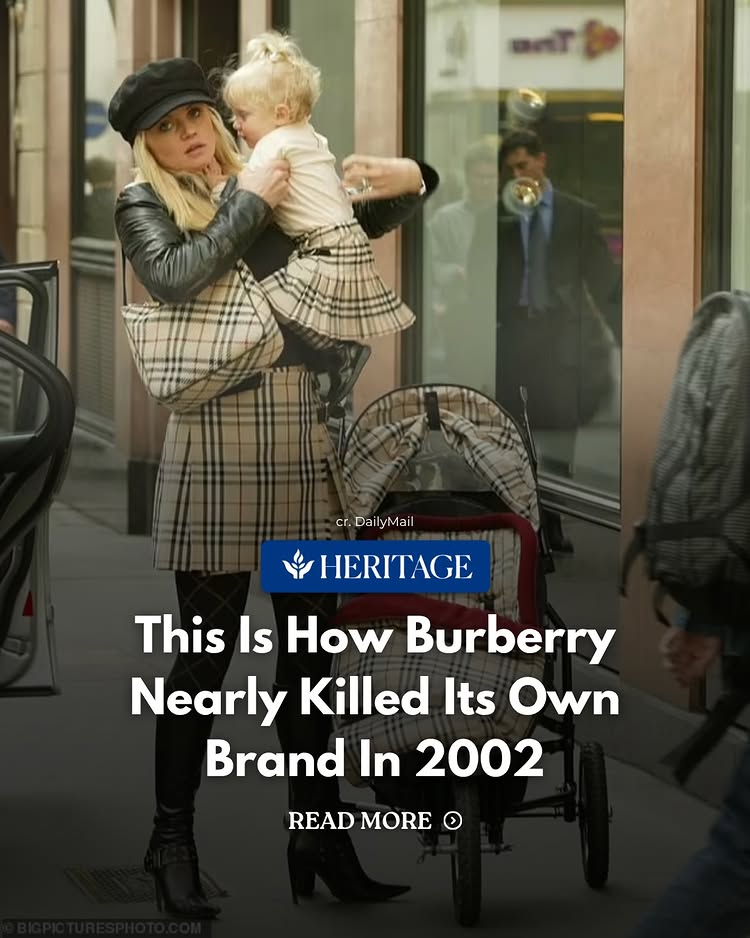
The Burberry check began life in the 1920s as the lining inside a trench coat, hidden from everyone except the person wearing it. By the early 2000s it was on caps, bags and accessories at prices anyone could reach, and the brand's value fell even as sales rose.
Scarcity was the product, not the pattern
A lining nobody else can see is the purest form of a luxury signal: you know, and that is the point. Putting the same pattern on cheap high-volume accessories turned a private signal into a public one, and a public signal that everyone can afford stops signalling anything. Counterfeits followed, because a widely recognised pattern on low-cost goods is the easiest thing in the world to fake.
The fix was subtraction
Christopher Bailey's move was to pull the check back from around 20% of products to roughly 5%, and to cut the cheap items carrying it. That is a revenue cut taken deliberately, which is a hard thing for any business to do, and it worked. The lesson generalises well beyond fashion: the moment everyone can have it, nobody wants it. It is the same logic behind why our own limited food drops stay capped rather than running open-ended.
Where the line actually sits
The uncomfortable part of this story is that the overexposure years were commercially successful before they were damaging. Growth and brand equity pulled in opposite directions and the numbers looked fine right up until they did not. That lag is why the mistake is so common, and why the correction almost always arrives late.
Good to know
· The check was a hidden lining first. The visible-everywhere version is the recent phase, not the original.
· Fakes follow recognition, not price. A pattern becomes worth faking the moment enough people can identify it.
· Cutting a profitable product line is the hardest brand decision to make and often the necessary one.
FAQs
When did the Burberry check first appear?
In the 1920s, as the lining inside a Burberry trench coat rather than as an external pattern.
Why did the Burberry check damage the brand?
In the early 2000s it was applied across caps, bags and accessories at accessible prices. The wide availability weakened its value as a luxury signal and made it a target for counterfeiters.
How did Burberry fix it?
Christopher Bailey reduced the check from roughly 20% of the product range to about 5% and removed the cheaper items carrying it, restoring its scarcity.
More like this
Business Advice From the Founder of Unfiltered Presents8 July 2026Why Eldred Wee Built A Company In His Son's Name21 June 2026Why You Always Leave IKEA With Things You Did Not Need12 June 2026#business#entrepreneur#burberry