Lau Wang’s Mark Low: Doing Less Was the Business Decision
Running more businesses is not always the same as building a better business. Lau Wang founder Mark Low’s story is a useful reminder that focus can be a growth decision, not a retreat.
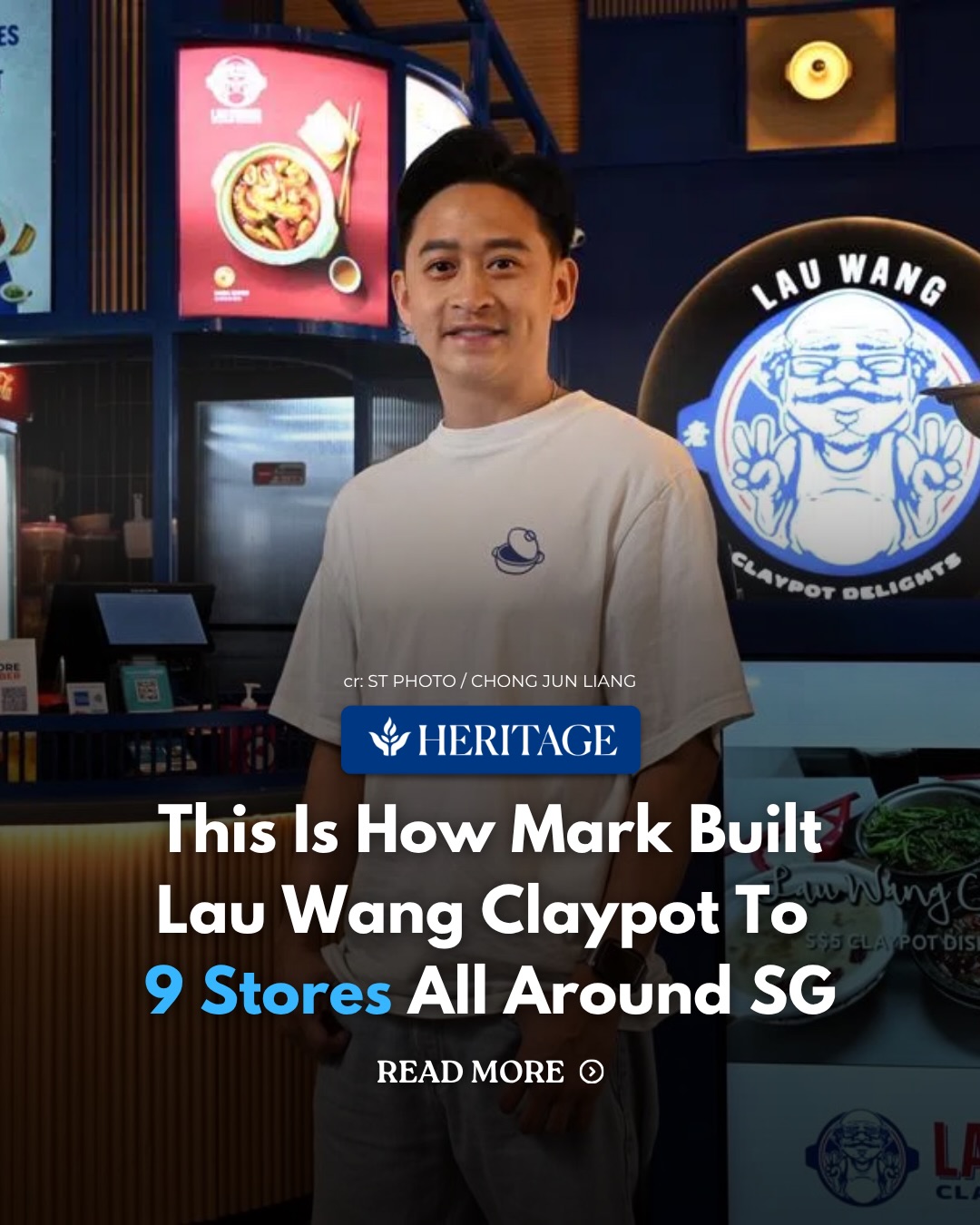
The original story, slide by slide
Original Heritage story, published 23 March 2026. The nine-outlet, employee and financial figures in these slides belong to that earlier feature, not a verified current business snapshot. The article below adds context from Mark’s interviews.
Swipe or scroll sideways to read all 17 slides in order. View the original on Instagram.






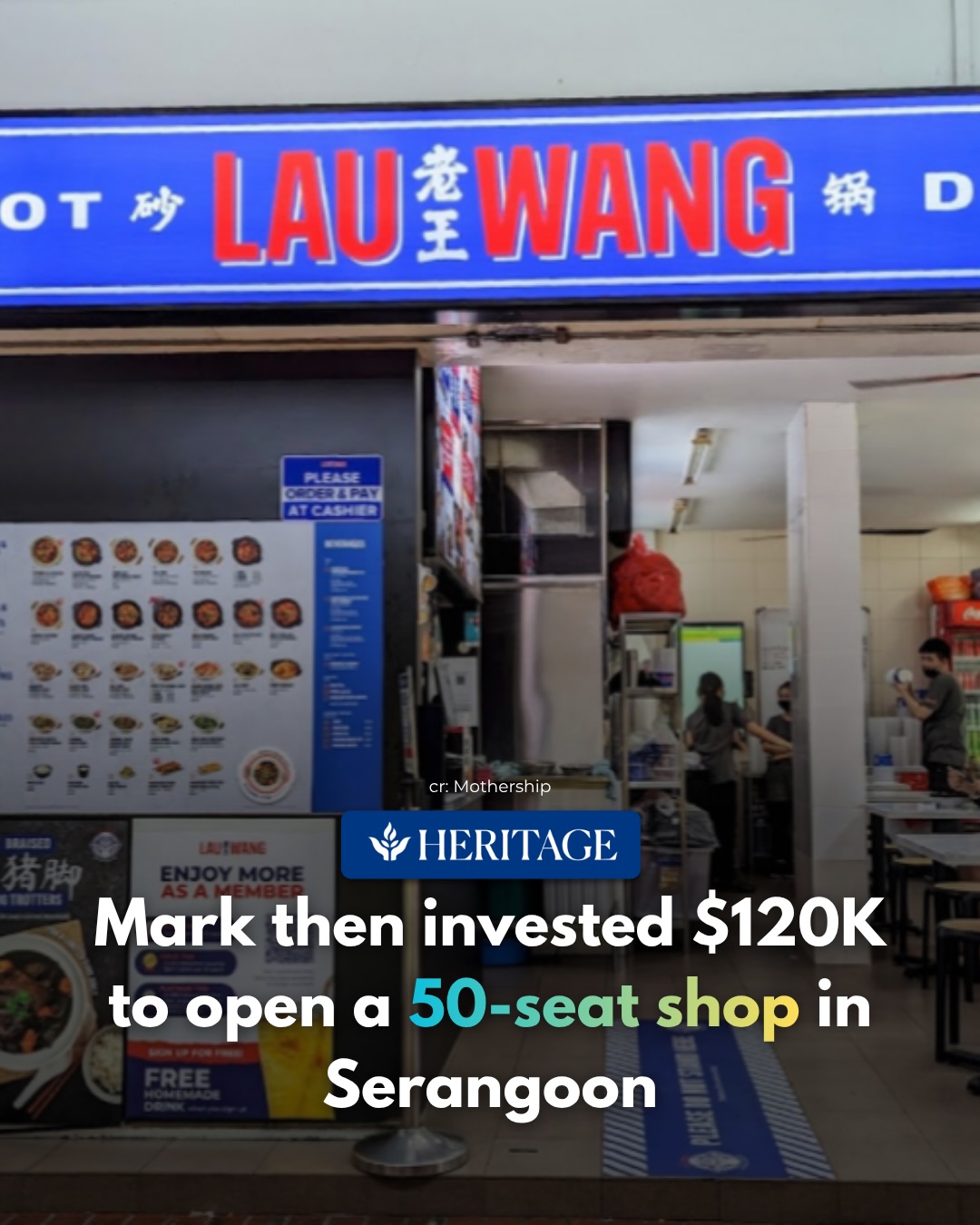

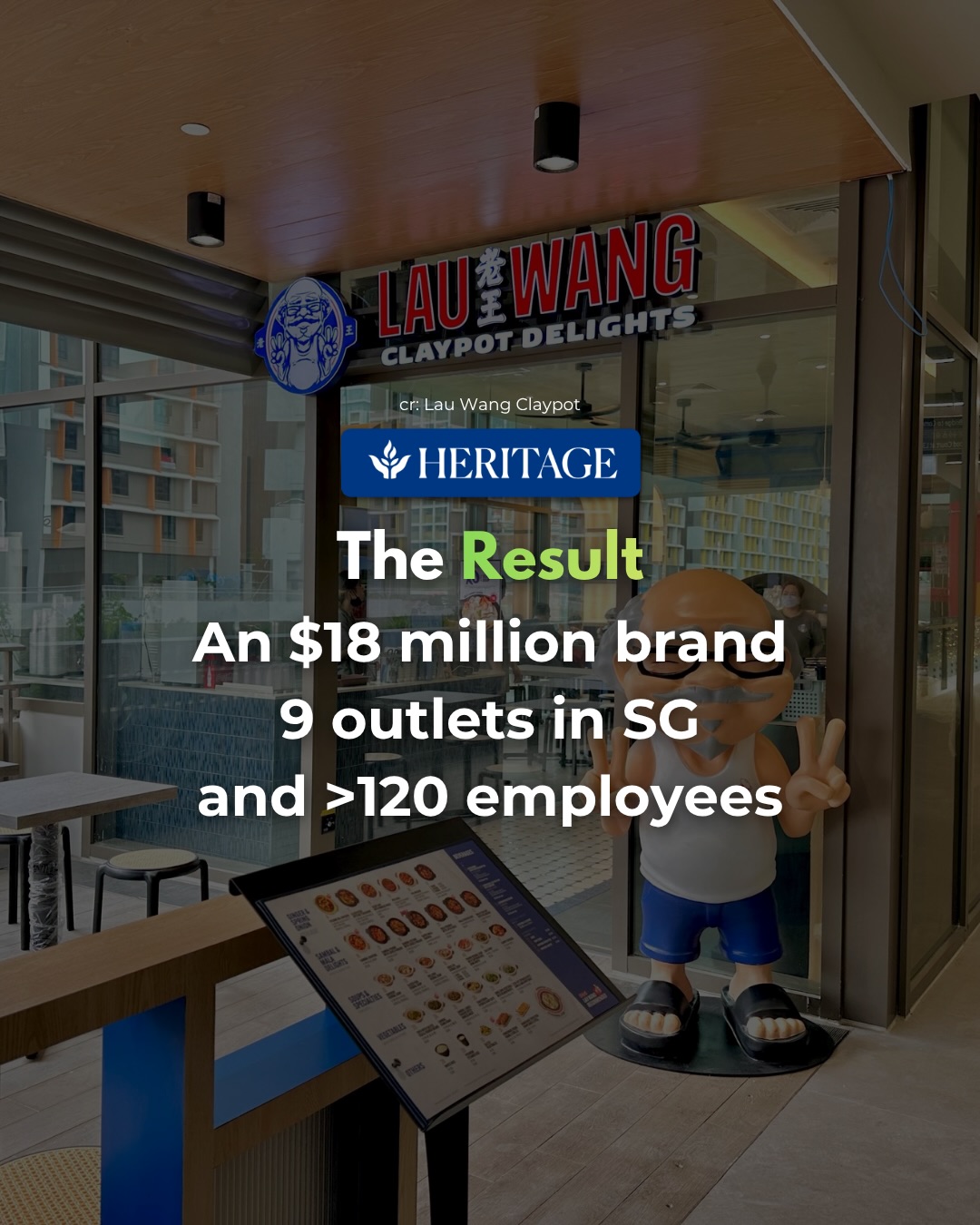
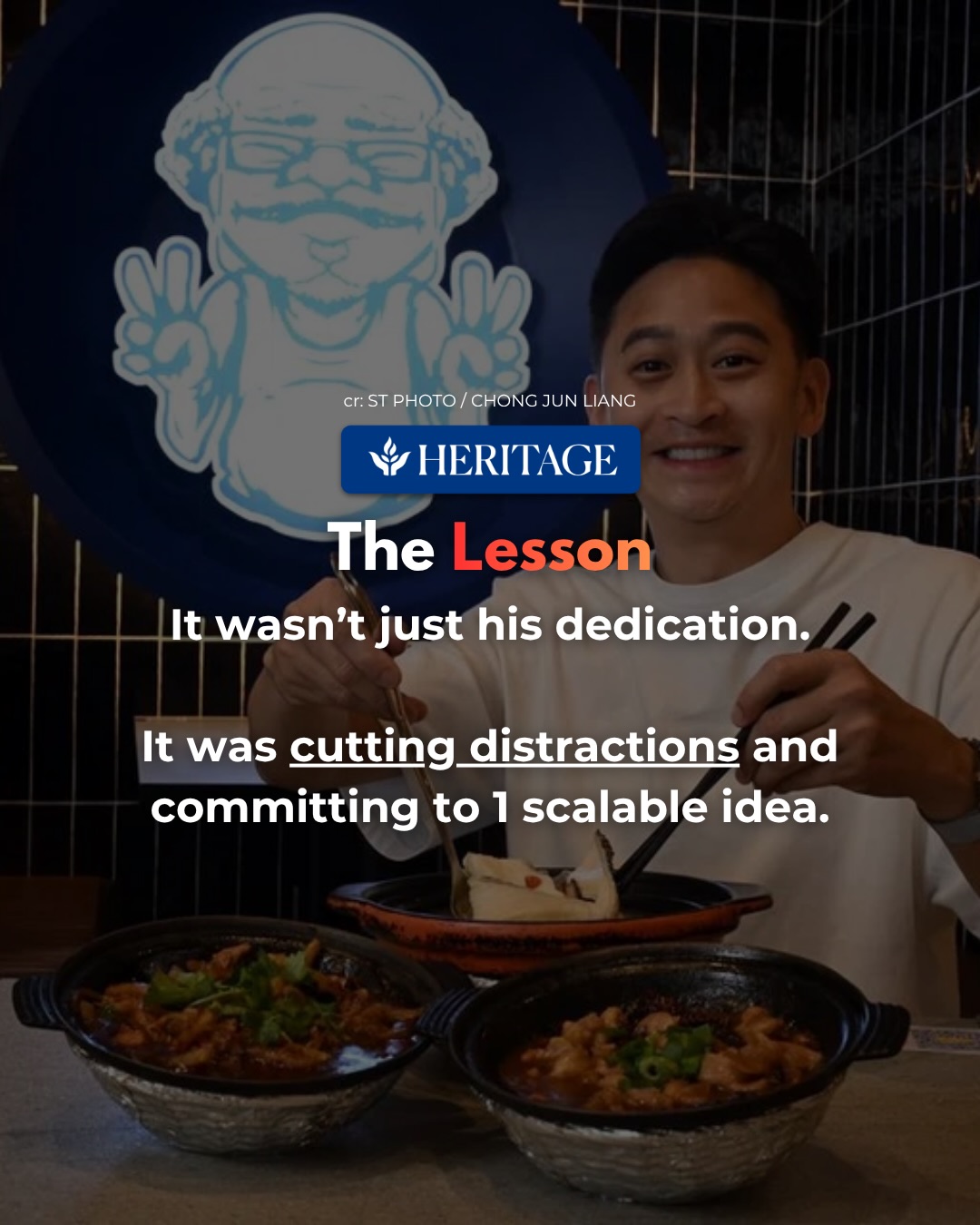

One business instead of several
Heritage’s existing founder feature follows Mark’s move away from several ventures to concentrate on Lau Wang. A CNA938 interview summary independently describes the same turning point: he started Lau Wang in a Yishun coffeeshop in 2012 while involved in other businesses, then exited the others after feeling spread too thin.
That is the important decision in this story. An outlet total can change. The shift from divided attention to a single operating priority is the part another founder can actually examine.
The product came before the expansion plan
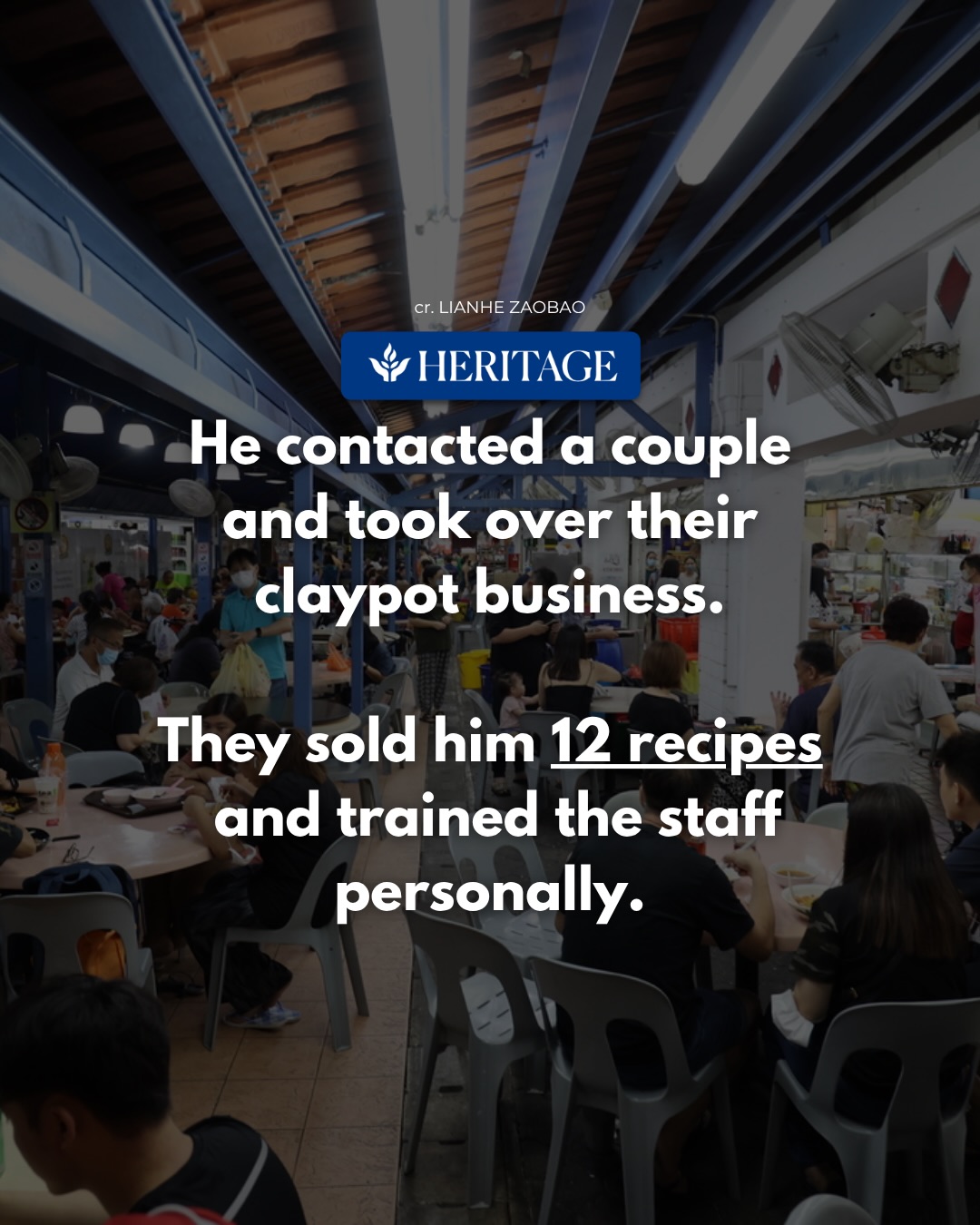
In his StaffAny podcast interview, Mark describes liking the food at a claypot stall near his wonton-noodle business. When that stall disappeared, he found the cook through a connection and learnt from her. The business began with food he wanted to sell, not a spreadsheet of future locations.
He also explains that the Yishun stall had constraints, including rent and what it could sell alongside other stalls. Moving into a standalone Serangoon shop gave the business more room to develop its offer.
Do not reduce the story to “just work harder”
Focus means deciding where the attention goes. For a small operator, that might be fixing one menu, one ordering process or one repeat-customer problem before opening another concept. It can also mean saying no to a tempting side project.
Our takeaway is not that every founder should run only one business forever. It is that adding ventures cannot fix a weak operating model. First understand which activity produces customers, margin and repeat demand.
A better question than “how many outlets?”
Ask what became easier to repeat. A dish customers return for? Training a new team? Getting the right people to notice the brand? Those answers are more useful than comparing your first year with someone else’s expansion headline.
Read or listen to Mark’s linked interviews for his own account. This article is a researched adaptation of Heritage’s story, not a new interview.