← All posts
Live now: Wine Mystery BoxGet yours →
 6 Online Games We Played as Kids: Can You Still Play Them?31 July 2026
 Fruit Ninja and the Mobile Games That Ate Our Recess2 June 2026
 Singapore Shopping Malls Tier List: Jewel, ION and VivoCity in S-Tier2 October 2026
This story started as a post on our Instagram@eventful_sg on Instagram
→
Singapore Shopping Malls Tier List: Jewel, ION and VivoCity in S-Tier2 October 2026
This story started as a post on our Instagram@eventful_sg on Instagram
→
JUST FOR FUNFULL STORY
6 Primary School Side Hustles Every Singapore Kid Tried
14 August 2026 · From our Instagram
Every Singapore primary school ran the same six side hustles: water babies, slime, squishies, bouncy balls, rainbow loom bracelets and Animal Kaiser cards. Some of them are still sold today, one of them is now regulated as a child safety hazard, and one was invented by a Malaysian engineer in his basement.
The six, in the order we remember them
1. Water babies. Tiny beads that swell in water. Half of us kept them in our water bottles and nearly drank them. More on why that matters below.
2. Slime. There was a stretch where it felt like everyone spawned with a slime business. Glue, contact lens solution, a shoebox of pots sold at recess.
3. Squishies. Slow rising ones were the currency. A fast rebound meant you got the cheap version and everyone knew.
4. Bouncy balls. From the machines outside the provision shop, when they were 20 cents. That is the price nobody under 20 believes.
5. Rainbow loom. Bracelets braided at frightening speed under the desk, sold for a dollar or traded outright.
6. Animal Kaiser cards. Trading these at recess was serious business, and the arcade machine ate a real amount of pocket money. If this is your era, the void deck games list covers the same years.
Water babies are now regulated, and it is worth knowing why
This is the one that turned out to be genuinely dangerous. A water bead swells when it absorbs liquid, so a pea sized bead can reach roughly the size of a tennis ball. Swallowed, it keeps growing inside and can block an airway or the intestines, and unlike a coin it does not show up cleanly on an X ray.
The US Consumer Product Safety Commission recorded thousands of water bead ingestion cases in emergency rooms between 2018 and 2022, and a federal safety standard now applies to water beads made after 12 March 2026, capping expansion at 5mm for bead toys. If you have younger siblings or your own kids now, that is the reason these are not the harmless recess toy we treated them as.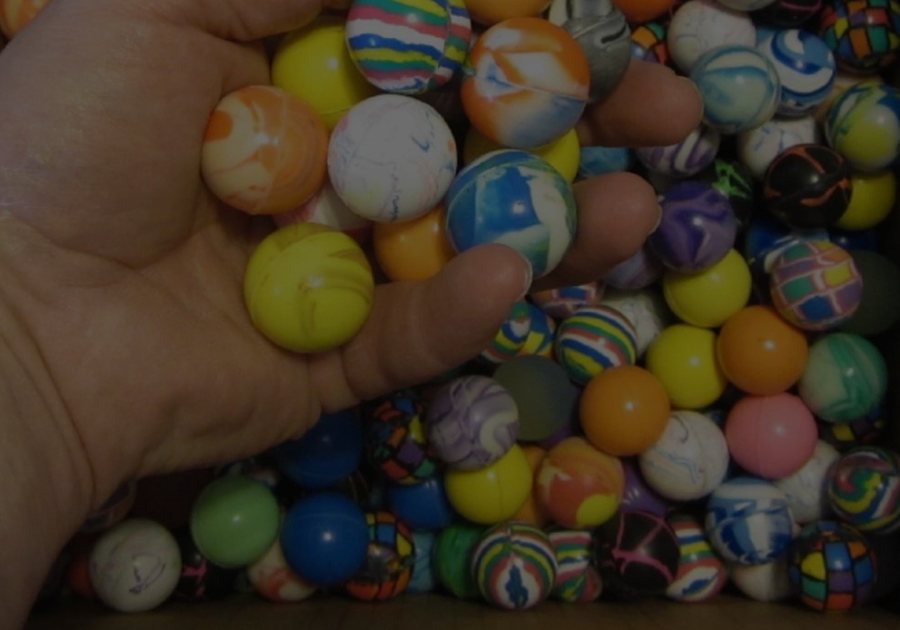
Rainbow loom has a better origin story than you think
Rainbow Loom was invented in 2010 by Cheong Choon Ng, a Malaysian born mechanical engineer who was working as a crash test engineer in Michigan. He came home to find his daughters weaving rubber band bracelets, could not do it himself because his fingers were too big, and built a loom out of a wooden board, pushpins and dental hooks.
He called the prototype Twistz Bandz, put $10,000 into a factory run, and he and his wife assembled the first units at home in 2011. By September 2014 it had sold more than eight million units worldwide. So the thing half of Singapore was braiding under a desk started as a dad who could not keep up with his kids.
What happened to Animal Kaiser
Animal Kaiser was an arcade card game from Bandai Namco, released on arcade machines in 2007, and it worked the way it did because the machine dispensed a physical card each play. That is what made it a playground economy: the cards were the receipt, they were random, and they were tradeable.
Cabinets have largely disappeared from Singapore arcades, so the cards now live in shoeboxes and resale listings rather than in circulation. If you kept yours, that is the closest thing to a primary school stock portfolio any of us had.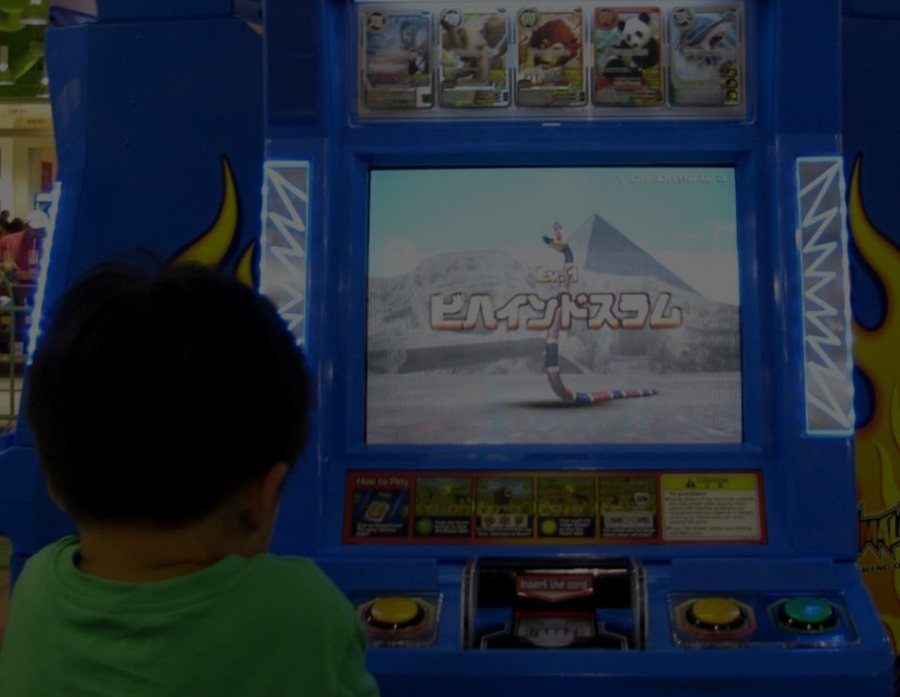
Good to know
· If you still have water beads at home and there are small children around, bin them. A swallowed bead does not show on an X ray.
· Old Animal Kaiser cards mostly sell in bulk lots now. Single commons are not worth listing.
· Slime kits are still stocked at Popular and most craft shops, so the recess business model is technically still available.
FAQs
Are water beads dangerous for children?
Yes, if swallowed. A pea sized bead can expand to roughly tennis ball size and block an airway or the intestines, and it does not show clearly on an X ray. A US federal safety standard now caps expansion at 5mm for water bead toys made after 12 March 2026.
Who invented Rainbow Loom?
Cheong Choon Ng, a Malaysian born mechanical engineer living in Michigan, invented it in 2010 after watching his daughters make rubber band bracelets. He first called it Twistz Bandz.
What was Animal Kaiser?
An arcade card game released by Bandai Namco in 2007. Each play dispensed a physical card, which is why trading them became a playground economy in Singapore schools.
More like this
6 Online Games We Played as Kids: Can You Still Play Them?31 July 2026Fruit Ninja and the Mobile Games That Ate Our Recess2 June 2026Singapore Shopping Malls Tier List: Jewel, ION and VivoCity in S-Tier2 October 2026#singapore#sgtiktok#primaryschool#nostalgia