Changi Beach Park: Plan a Short Coastal Outing
Choose one section of Changi Beach Park for a coastal walk and picnic instead of treating the whole shoreline as a single short route. A clear arrival pin matters more than squeezing in another attraction.
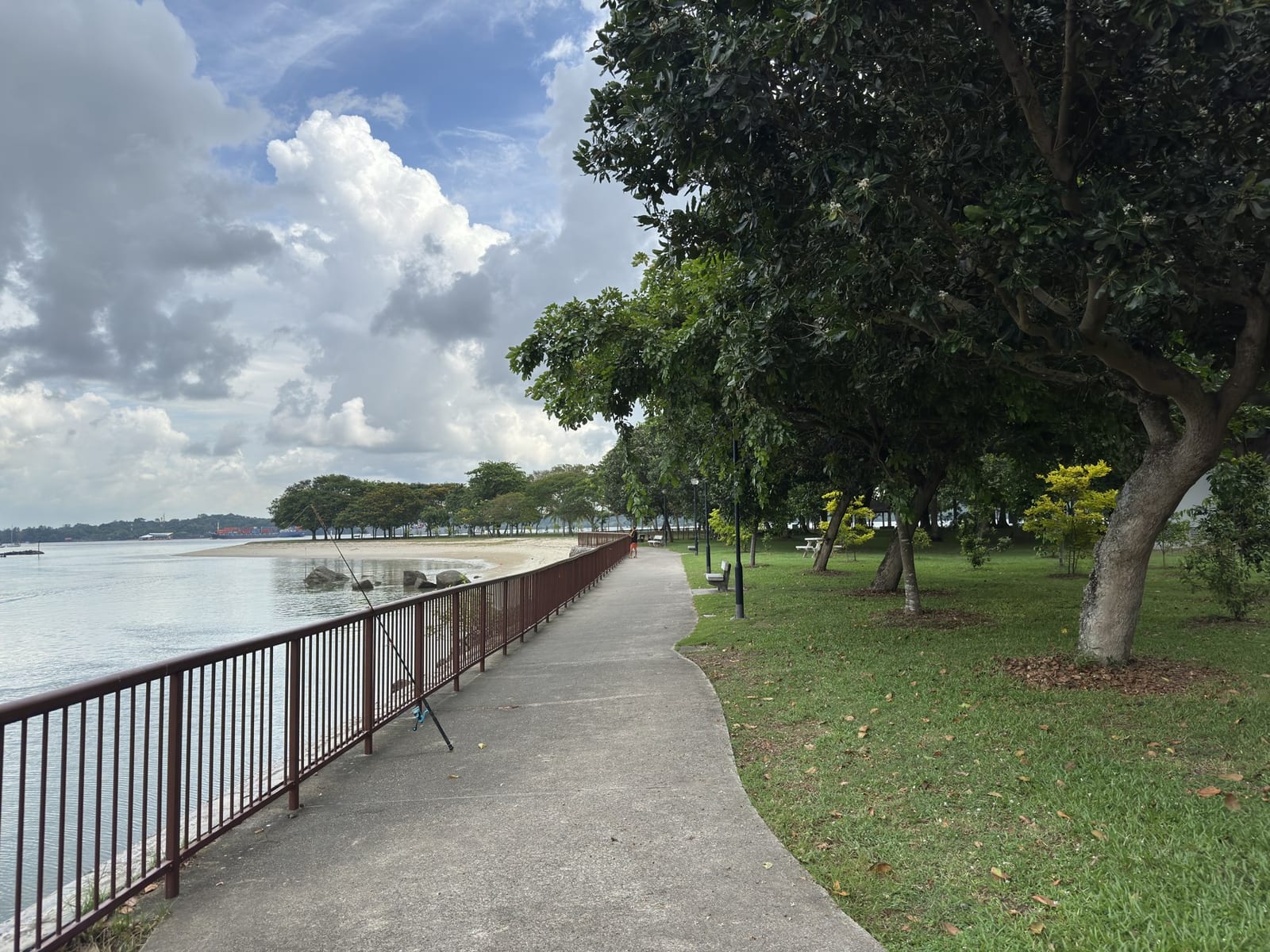
Image credit: LN9267 / Wikimedia Commons, CC BY-SA 4.0. Resized; responsive cards may crop. Photo adaptations retain the same licence.
Pick a carpark or entrance, not a general beach pin
For the area’s wartime context, our Changi war-history itinerary is a separate museum-and-memorial visit.
The park runs along Nicoll Drive and Changi Coast Road. NParks lists seven carparks across the area, so two people navigating to “Changi Beach” can arrive at different places. Use its park map to agree on a precise meeting point.
Choose that point around your actual journey and intended walk. A driver’s convenient parking location is not necessarily the easiest arrival for someone using a bus. Settle the meeting place before sending invitations, especially if children, older relatives or a cooler box are coming.
Use a coastal out-and-back for the first visit
An out-and-back lets you decide how far to go after seeing the weather and the group’s energy. Agree on a turnaround point while people are still enjoying the walk. Do not make a faraway landmark compulsory just because it appears in photographs.
The official page highlights a promontory with views towards Pulau Ubin, and a casuarina avenue between carparks 6 and 7. Those are distinct options to find on the map, not a promise that both sit beside your arrival point. Pick whichever fits your chosen section rather than marching between every named feature.
A picnic does not need a tent
NParks explicitly prohibits camping and tents at Changi Beach Park. Leave the pop-up tent at home even if you only intend to stay for the afternoon. Do not infer permission from a tent you see someone else using.
Keep the setup easy to carry and quick to pack away. Bring a mat if appropriate, drinking water and rubbish bags. If a barbecue is the plan, use the official pit-booking link and prepare that separately; a picnic invitation should not quietly become a cooking event with equipment nobody agreed to bring.
Look at the shoreline without collecting it
The intertidal area is a living habitat. NParks tells visitors not to touch, trample or collect wildlife, and recommends covered shoes because of sharp rocks and animals with spines. Stay where access is permitted and follow the signs.
For a first coastal outing, looking from the path is enough. Do not promise children a particular sea creature, or turn a receding tide into an excuse to follow the water farther out. Photograph what you can see safely; leaving an animal undisturbed matters more than obtaining a close-up.
Finish where your transport actually is
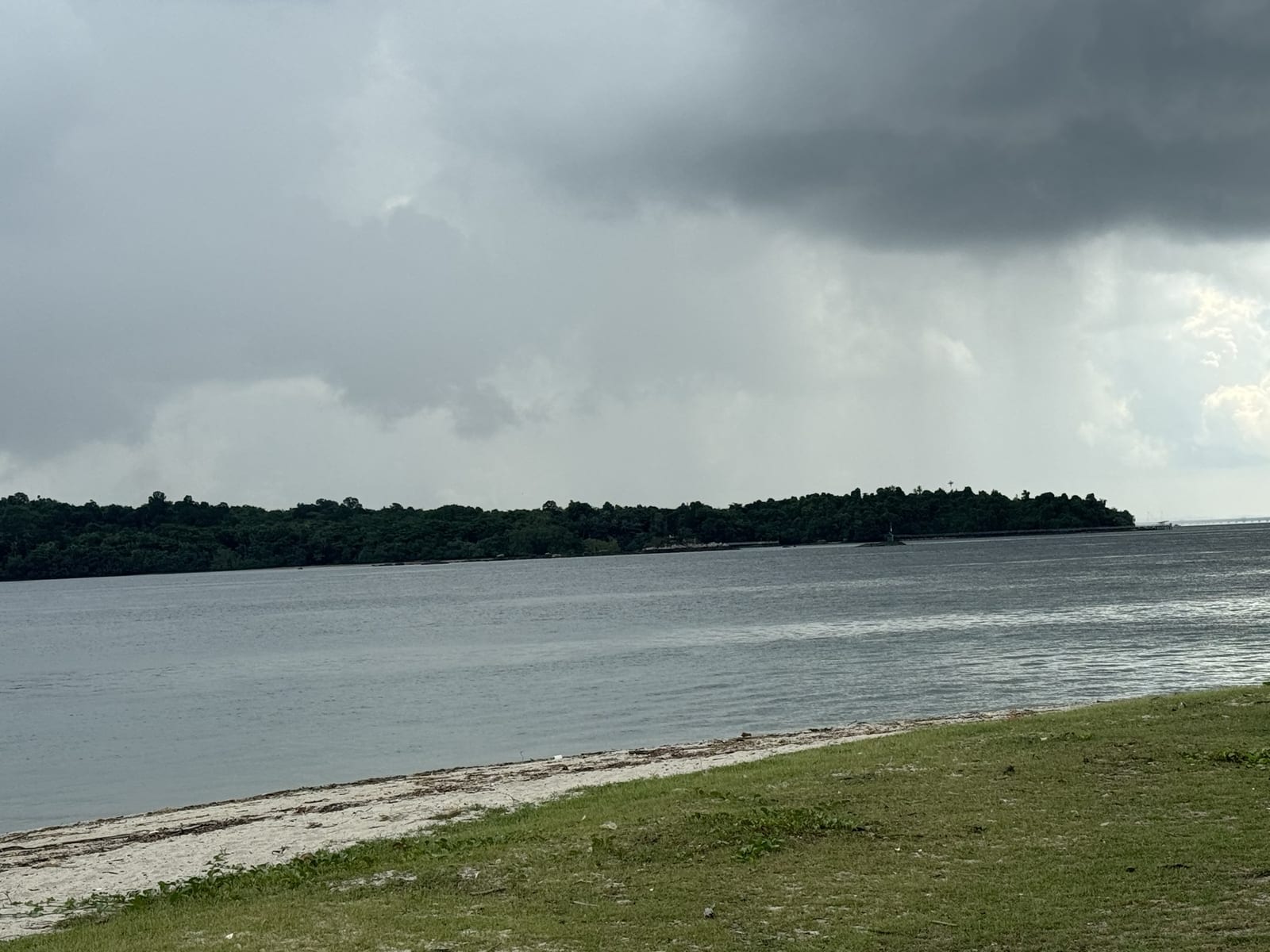
NParks lists 24-hour opening, but daylight makes navigation and shoreline observation more straightforward. Check the forecast before leaving and keep a realistic weather fallback. A long coastal walk is not improved by persevering through a storm.
Save the official park map and visitor page. If travelling by car, make sure everyone knows which carpark the return route reaches. If being collected, send the exact pickup location rather than a photograph of the sea. Keep any onward meal or appointment flexible enough that packing up does not become a rush.
Find more independent outing ideas in the Eventful blog.
Good to know
· A daytime tent is still a tent under the park’s prohibition.
· Choose one shoreline section and a precise arrival point.