A thoughtful Changi war-history outing without restricted-site detours
Make Changi Chapel and Museum the main visit, then add the Changi Beach memorial if you want a second setting for reflection. This is a focused history outing, not a race through every wartime name on a map.
The museum and beach are separate destinations. Arrange the transfer between them rather than assuming that “Changi” means a compact, fully sheltered walking circuit. A museum-only visit is a worthwhile shorter version.
Begin with the people, not just the military timeline
NHB’s museum description centres the experiences of prisoners of war and civilian internees during the Japanese Occupation. Personal objects and family stories help connect the larger history with individual lives. Read the context around an object before moving straight to the next display.
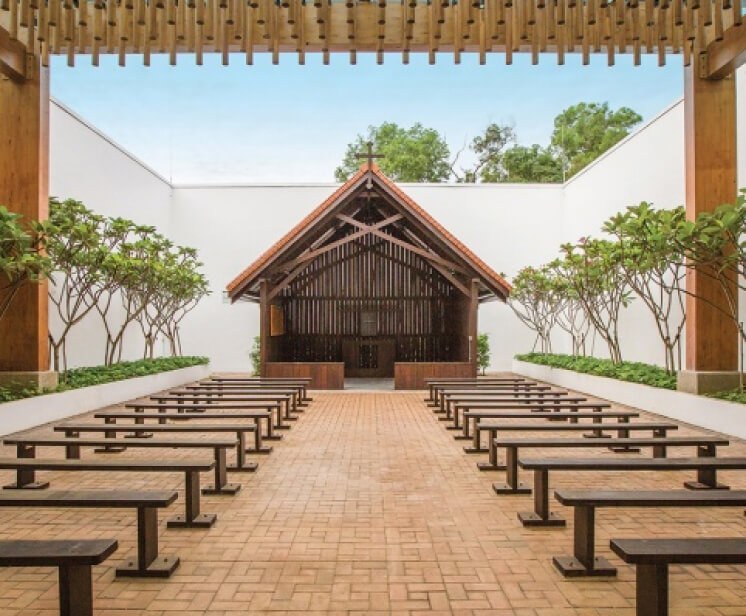
The chapel is a replica of St George’s Church, one of the places of worship built by internees in Changi. Distinguishing a commemorative reconstruction from an original surviving building matters: the replica can be meaningful without being described inaccurately.
Three parts of a manageable visit
You can stop after the museum’s two connected elements, or continue to the public beach park. None of these choices requires entry into a prison, military compound or abandoned structure.
Museum galleries
1000 Upper Changi Road North
Give the internees’ stories your main attention. If visiting with children, consider their readiness for the subject and pause when needed rather than trying to finish every display.
Official details →Replica chapel
Within the Changi Chapel and Museum visit
Use this as a quieter point for reflection. Follow visitor signs and staff instructions; this is not a photo prop or a place to recreate wartime scenes.
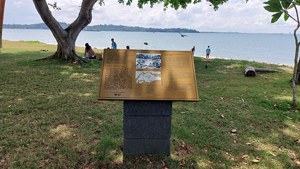
Official details →World War II Memorial Plaque
Changi Beach Park
NParks identifies the plaque as commemorating the Changi Beach Massacre in 1942. Read the memorial in its coastal setting, then use the park’s public paths for a short, unhurried conclusion.
Work around the museum’s opening window
The official visitor guide lists Tuesday–Sunday 9.30am–5.30pm, with last admission at 5pm, and Monday closure except public holidays. Recheck the live visitor-information page before travelling, especially for holiday exceptions or temporary notices. Do not arrive at last admission expecting a full afternoon inside.
Admission requires a ticket, including where an eligibility-based concession applies. Check the current rate and required identification directly rather than treating an old online price as guaranteed. The museum’s entry conditions also restrict bulky luggage and note space constraints for strollers in the galleries. Travel light if this is part of an airport-area outing.
Plan the beach transfer and avoid unsupported detours
Use NParks’ current Changi Beach Park map to choose your arrival point and follow park wayfinding to the memorial. The park extends along Nicoll Drive and Changi Coast Road; naming the park alone is not a precise meeting instruction. Its visitor page lists 24-hour opening, but daylight is the practical choice for reading the memorial and finding your way.
This itinerary does not include Johore Battery, Changi Prison interiors or military sites because independent visitor access has not been established here. Historic significance is not permission to enter. Stay on public paths and follow current barriers.
For additional background, read the NHB Changi Heritage Trail before or after the visit. It can deepen the day without forcing every listed place into one route. If rain interrupts the beach stop, finish with the museum rather than turning a reflective outing into an unnecessary long walk.