Ya Kun Moved More Than Once. Its Breakfast Stayed Recognisable.
A stall can lose its spot without losing its identity. Loi Ah Koon’s coffee business moved between Telok Ayer and Lau Pa Sat, then to Far East Square. Its path is a reminder that the part customers recognise needn’t be tied to a single address.

Begin with one breakfast customers can describe
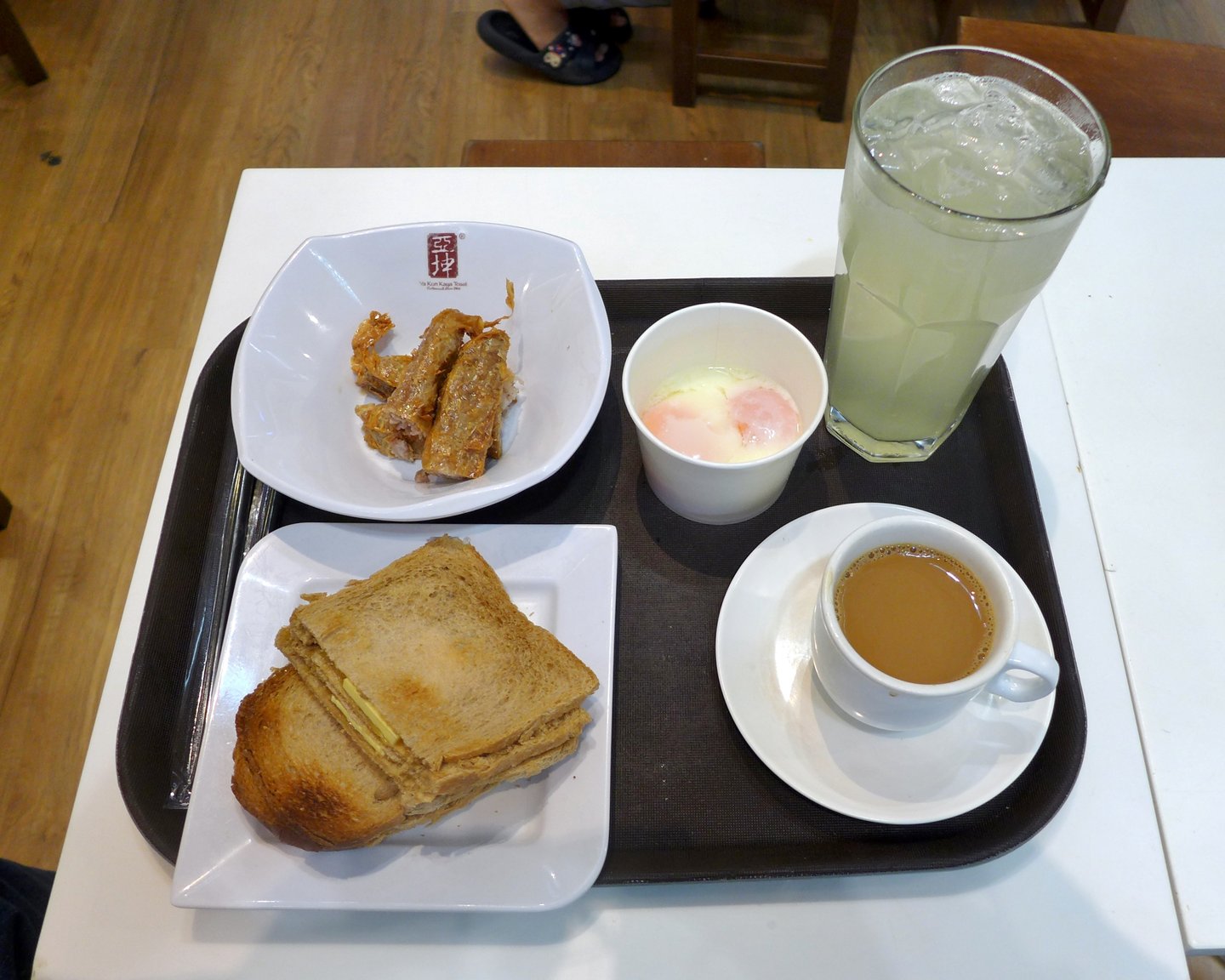
Loi Ah Koon’s grandson wrote to the National Heritage Board that his grandfather started his coffee stall in Telok Ayer in 1944. He recalls three core items: Robusta coffee, soft-boiled eggs and kaya toast.
The set made the offer easy to explain. People didn’t need to know the stall’s full menu to tell a colleague what to order.
The family moved; the set moved with it
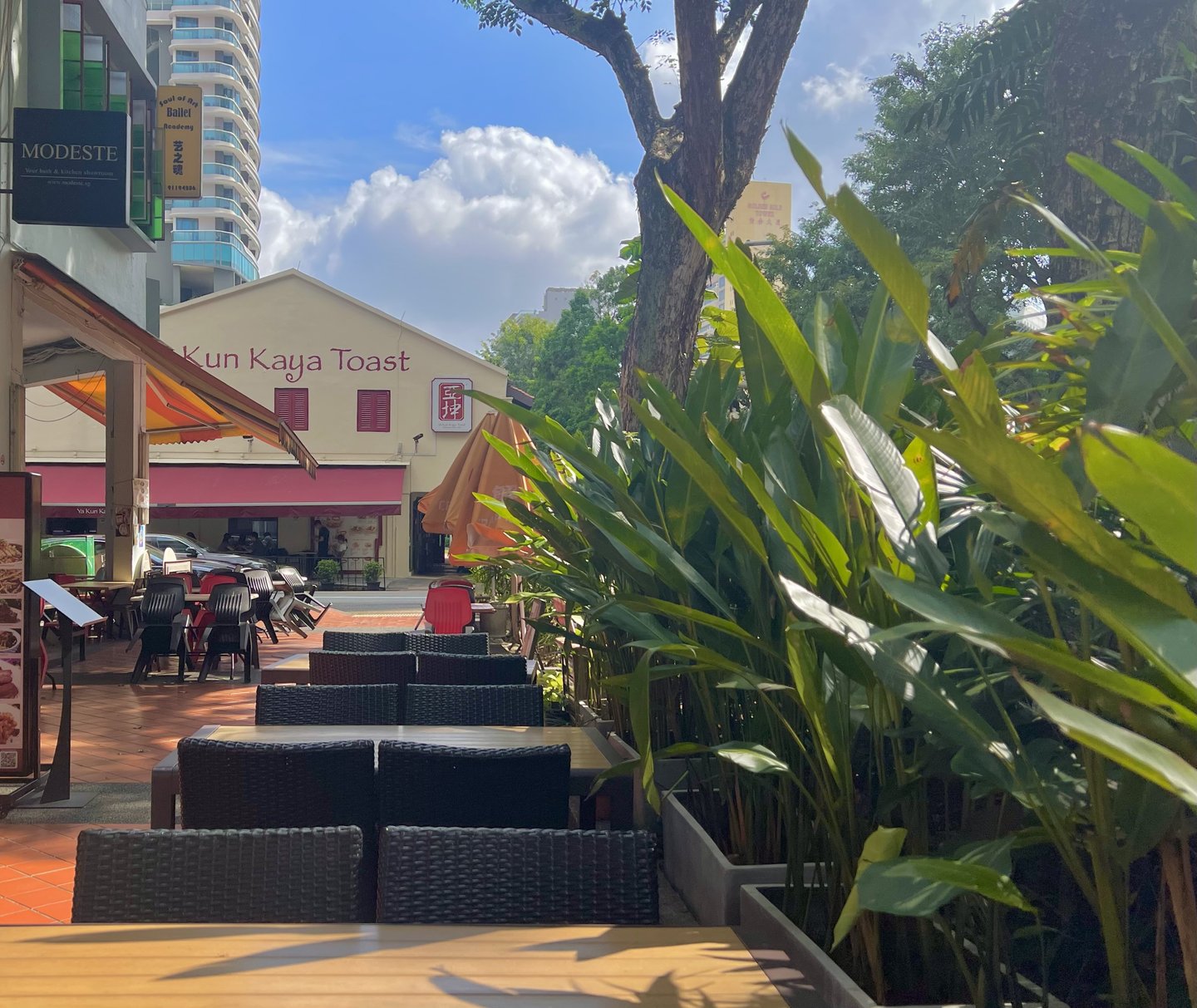
Ya Kun’s account traces later moves from Telok Ayer Basin to Lau Pa Sat, then back to the Telok Ayer transit market in 1984 during the Lau Pa Sat redevelopment. In 1998 the stall moved to Far East Square, where the business says it was run by Ah Koon’s children.
The company’s grandson-led heritage account says the coffee, eggs and toast also remained core products as the business took the format abroad. Those are accounts of what the family kept, not evidence that nothing on the menu ever changed.
A small menu makes the hard parts easier to identify
It’s tempting to respond to a new neighbourhood by changing everything. A clearer starting point is to identify what a returning customer would actually miss. For a breakfast stall that may be how crisp the toast is, how the kopi tastes or how quickly the set arrives.
Put those details in the training guide before changing the décor or adding ten items. Then let a new employee serve the set without the founder prompting them.
Protect the offer, not every habit
Think about the next move as two lists: what regulars expect every time, and what the location can change. The first list should be short enough to teach. The second can include opening hours, seating and how customers place an order.
If regulars still describe the stall the same way after the move, that tells you more than whether all the old furniture came along.