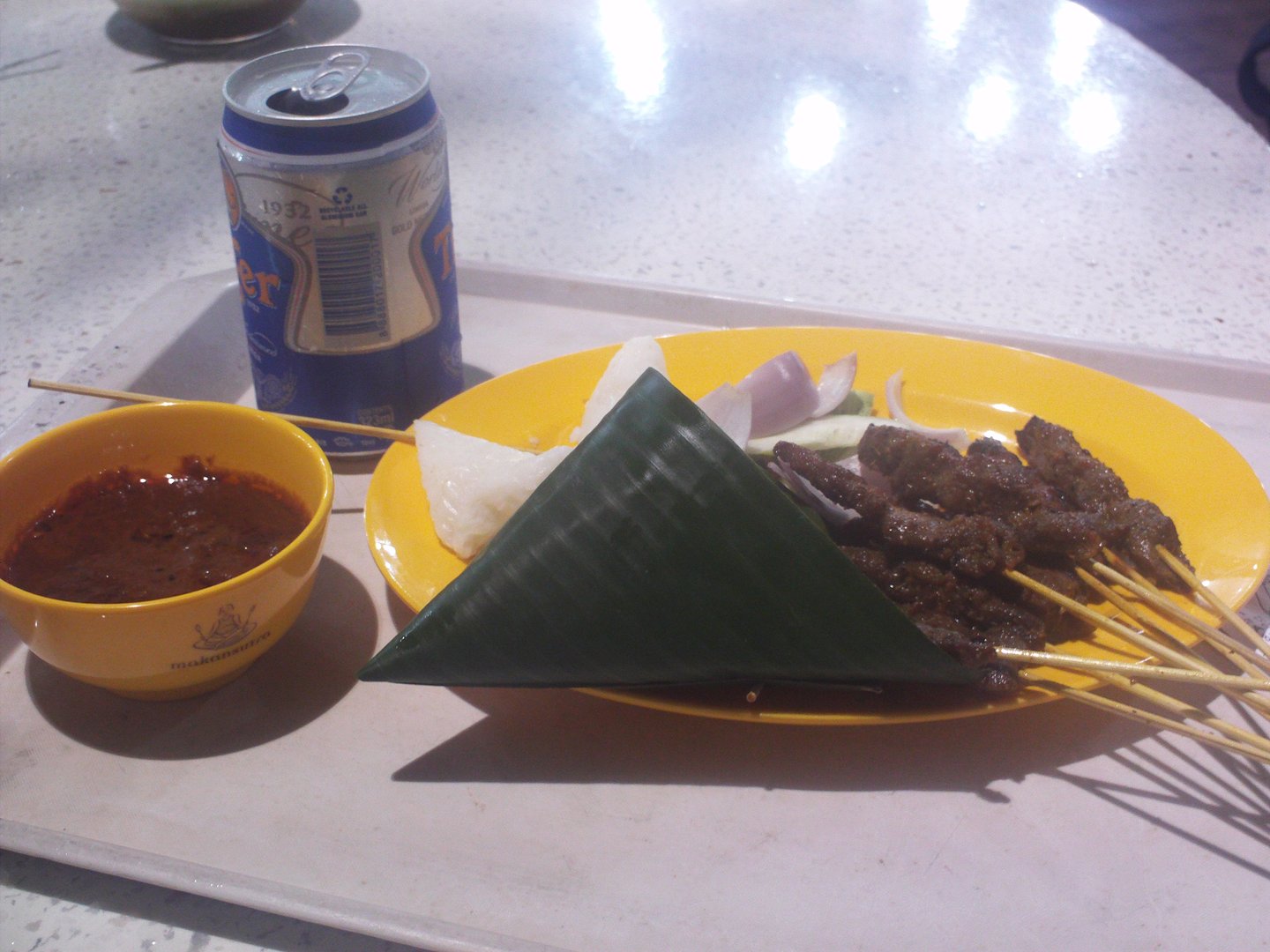
When Malt Ran Short, Singapore’s Tiger Beer Had to Make Tiger Cub
Running out of a key ingredient leaves a company with an awkward choice. Change the product regulars came for, or sell something recognisably different while supplies are tight. During the war years, the brewery behind Tiger Beer ended up with a lighter brew called Tiger Cub.
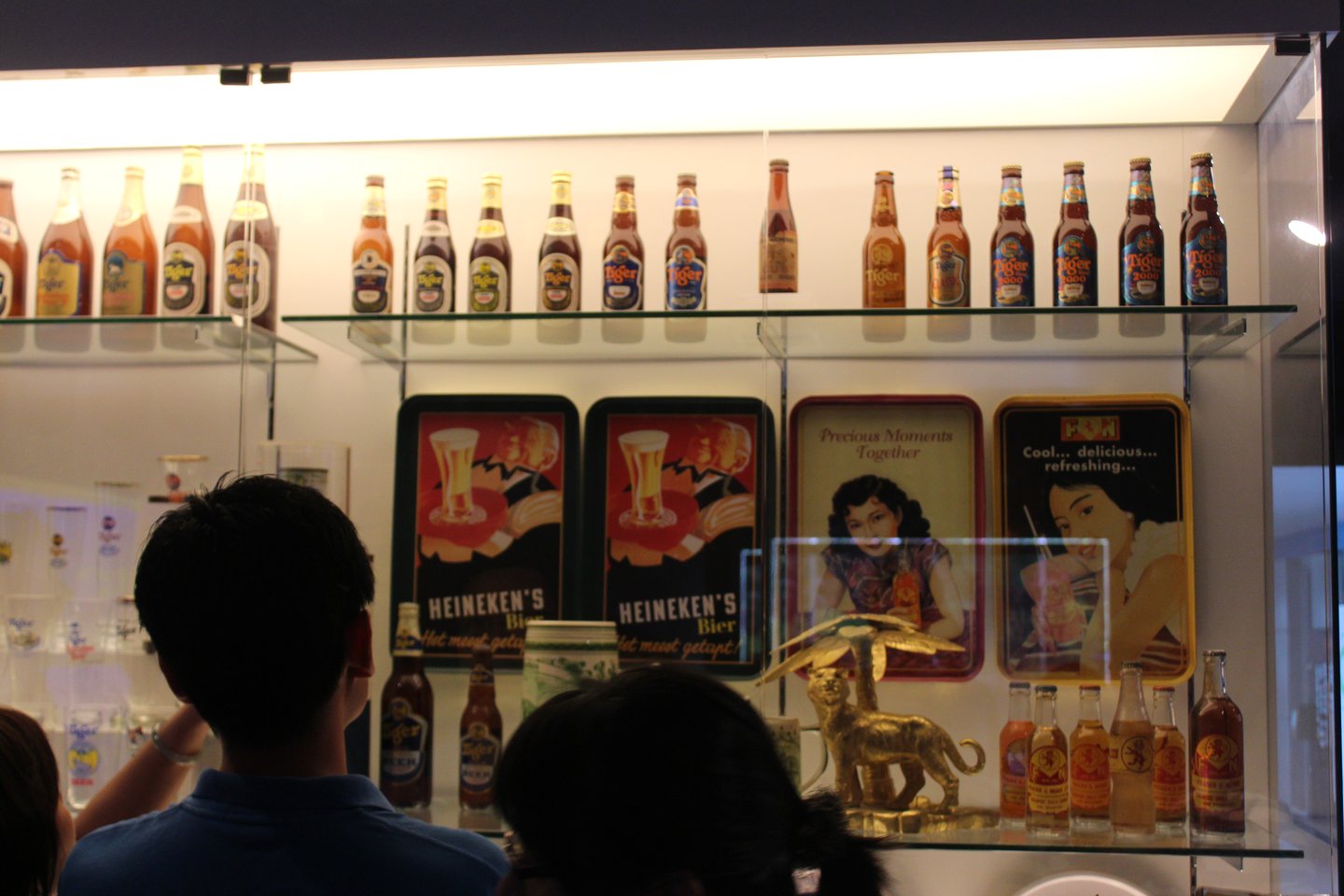

A local brewery began with an overseas partner
Asia Pacific Breweries dates the Fraser & Neave and Heineken joint venture behind Malayan Breweries to 1931. The first batch of Tiger Beer followed in 1932 at the brewery on Alexandra Road.
Local production offered a way to brew for the market. It did not free the brewery from depending on a supply of ingredients.
The war exposed that dependency
National Library Board research documents how the occupying Japanese authorities seized and reopened the breweries. The account draws on an oral history by Jocelyn Simon De Souza, who said the team increased its use of local rice to stretch scarce malt. Eventually there was only so far that change could go.
The alternative, Tiger Cub, was sold in a smaller bottle and used less malt, producing a lighter brew. This was a wartime response to shortages, not a story about deciding to run a clever product launch in an ordinary market.
The company brought back the original
National Library Board research dates the return of original Tiger Beer to 1947 and reproduces advertisements announcing it. The temporary name made it possible to distinguish what customers could get during the shortage from what later came back.
The distinction is the lesson worth keeping: a substitute can solve an immediate supply problem without quietly redefining the product customers were expecting.
Tell customers what changed, and set a review date
Small food businesses still have to handle supplier delays or an ingredient going out of season. If the substitute noticeably changes the product, say which version is being sold rather than making regulars work it out after buying.
Set a date to decide whether the original is coming back or the alternative has become its own item. A temporary workaround shouldn’t become a permanent change by accident.