How the Aw Brothers Made Tiger Balm Recognisable Beyond the Pharmacy
Tiger Balm’s story starts with an inherited pharmacy business, not a Singapore theme park. The Aw brothers made the product recognisable across markets; one of them went on to make the name recognisable even to visitors who had never bought a jar.

The pharmacy came before the tiger
Haw Par traces the business to Aw Chu Kin, who ran a pharmacy in Rangoon. His sons Aw Boon Haw and Aw Boon Par took on the business. The NHB account connects the tiger brand to Boon Haw’s name. A recognisable name and image gave customers something to ask for even when the person selling it was not one of the brothers.
Singapore became the next base
Aw Boon Haw moved to Singapore in 1926, according to the brand’s account. The move put the business in a new port city with new customers. The tiger name travelled with it; it did not have to begin again with an unrelated brand for every market.
A public garden made the name part of the city
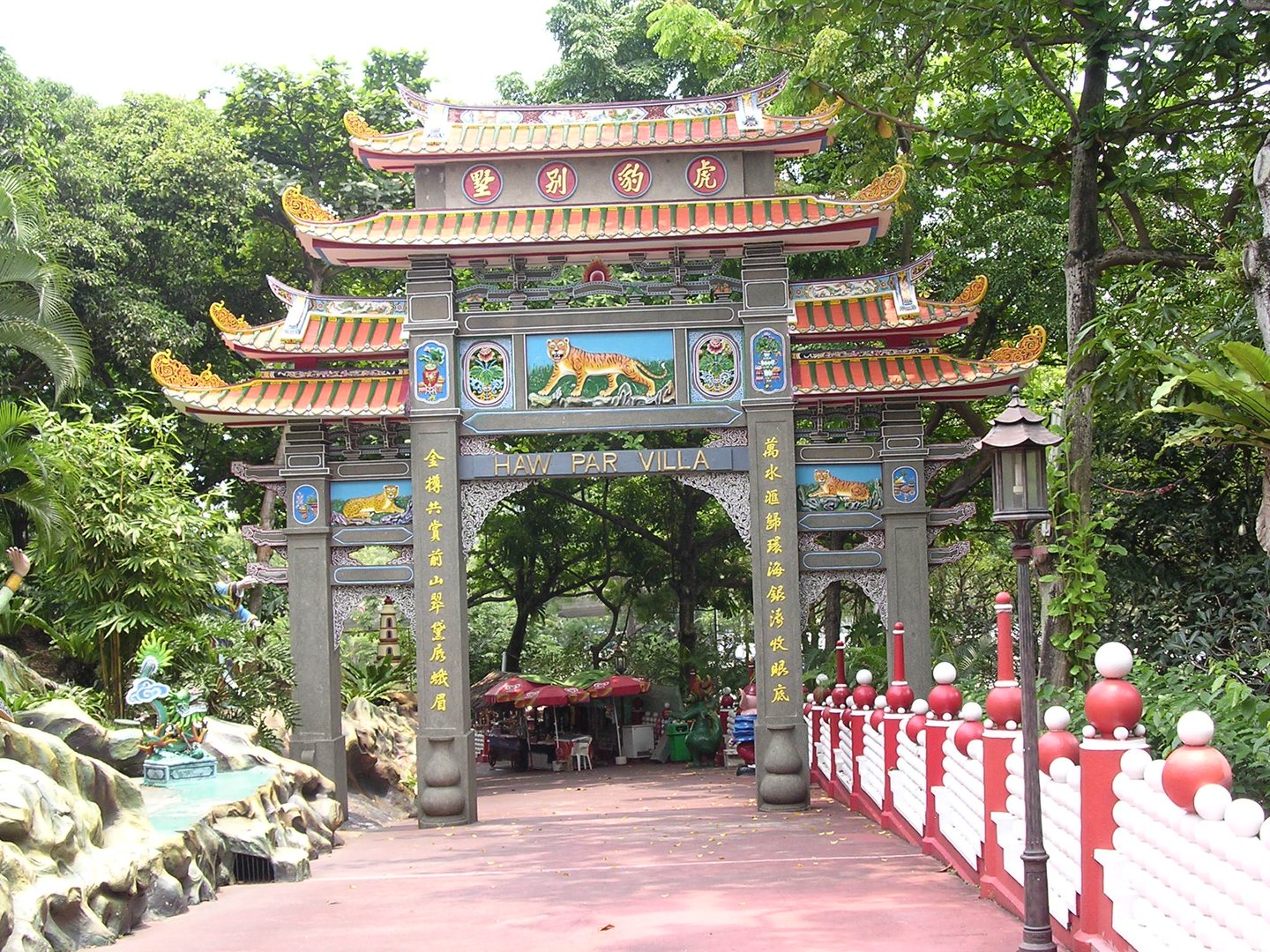
Tiger Balm Gardens were built in 1937. Part of the gardens was opened to the public. The site later became known as Haw Par Villa. Its figures and stories are a different cultural legacy from the product itself. The link makes sense as brand history, not as evidence that a park was necessary to sell balm.
One memory cue is enough to test
A small business does not need a landmark. Ask five regulars to identify its takeaway pack or stall after removing the shop name. If nothing stands out, make one useful thing consistent across the menu, packaging and shopfront. The test is whether a customer can find that same business again.