Before the Guitars, Swee Lee Sold Brass Instruments at Capitol Theatre
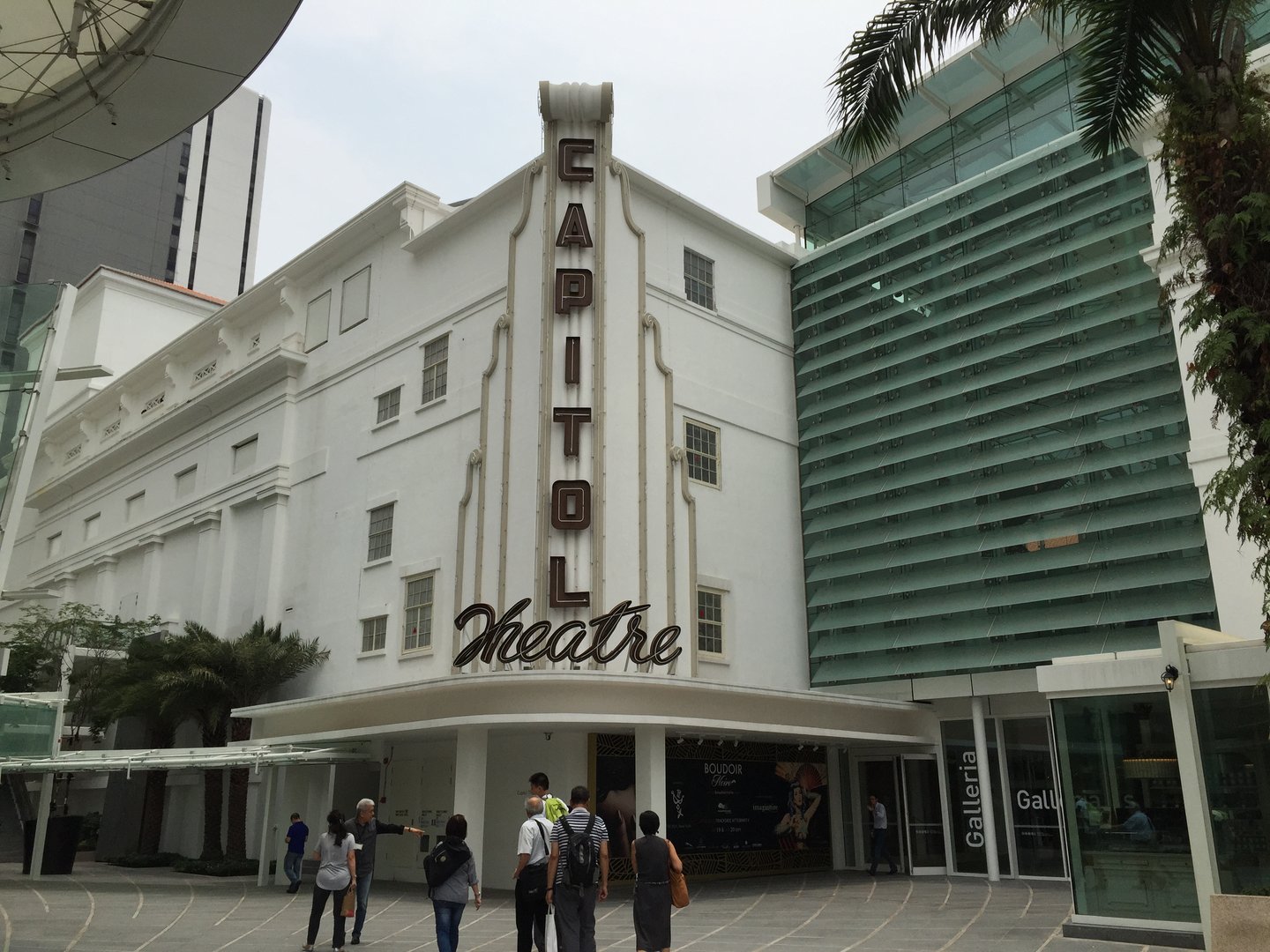
The first Swee Lee shop was at Capitol Theatre in 1946. Its early trade was in brass and woodwind instruments, not the rows of guitars many Singapore musicians associate with the name. The shop’s later shift is a reminder that a business can change its inventory without losing its reason to exist.

Start with the players who already have a reason to buy
In its anniversary account, Swee Lee says its early trade served military bands, with brass and woodwind instruments. That is a specific customer with a specific use. The useful starting point is not that the first owners had a forecast for every kind of music; it is that they knew what one group needed.
The next audience wanted something different
Swee Lee’s history describes guitars becoming part of the business later, as popular music changed. To a retailer, the difference is not only what goes on the shelf. The person comparing a first guitar has different questions from a band sourcing instruments for a section.
Make the new category feel less intimidating
An instrument shop can help a beginner choose a playable setup rather than list every model. A coffee-equipment retailer can do something similar with a grinder, a brewing method and a short demo. In both cases the retailer is helping someone start a practice, not just handing over an item.
Borrow the move, not the merchandise
Before extending a product range, spend a few weeks collecting the requests staff repeatedly cannot fulfil. Put one small trial range in front of those buyers with one clear use case. If customers come back for supplies, repairs or advice, the shelf might be the start of a category rather than a one-off sale.