Before a Big Launch, Run a Test You Can Afford to Learn From
A smaller test is only useful if it answers something. Otherwise you have organised a smaller version of the same uncertainty.

Name the assumption before the event
Angelo Wan’s Heritage feature starts with testing an idea without betting the whole business on it. Choose one uncertain point: will the intended audience pay, can the team deliver the format, or does the experience create repeat interest? Different questions require different tests. A free gathering cannot by itself validate willingness to pay for a future ticket.
Read the original: Angelo Wan: Build Events You Can Repeat.
Set limits you can actually honour
Define the time, spending and capacity you are prepared to commit to the pilot. Use real quotations and check any applicable venue or operational requirements. Do not rely on a hoped-for sponsor to cover an expense you have already promised. The right size depends on the business; there is no universal safe budget.
Keep enough of the real experience
If the future offer depends on a smooth arrival, a particular product or a specific service standard, the pilot should test that part. Tell participants honestly what is being trialled. Removing every difficult component may make the test pleasant while teaching you little about the intended launch.
Collect feedback that changes a decision
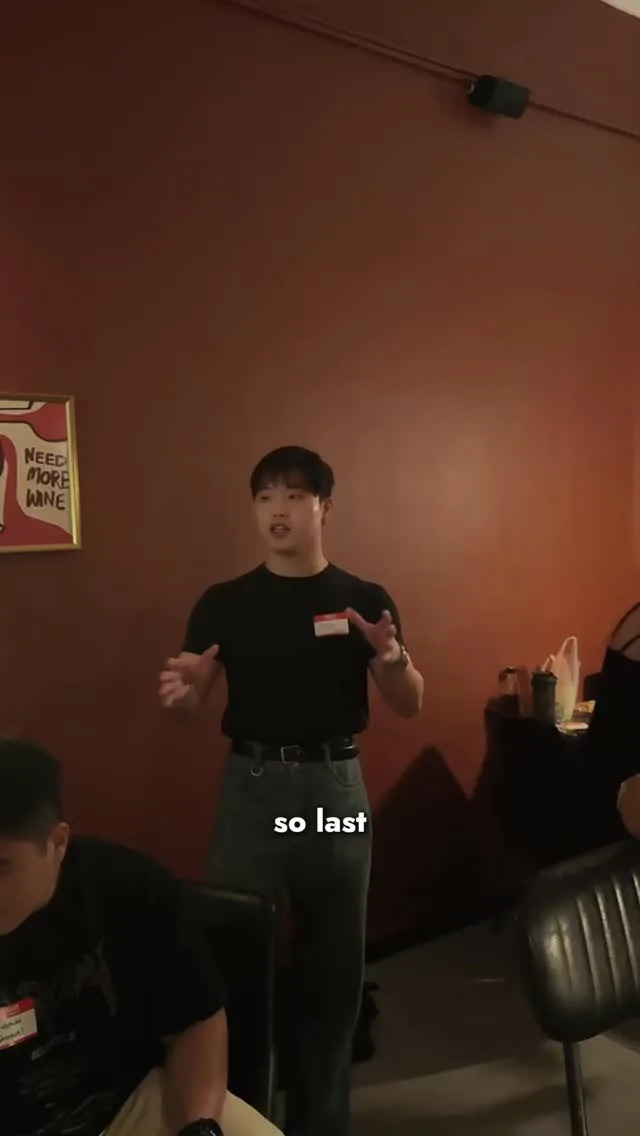
Eventful’s first networking event led to a more structured question format after guests said they wanted to learn but did not know what to ask. That is useful feedback because it points to a concrete change. Ask what participants expected, what helped and where they got stuck. Record the less flattering answers too.
Read the original: Our First Networking Event Taught Us to Ask Better Questions.
Decide before enthusiasm takes over
At the review, separate what was observed from what the team hopes it means. Continue, change the format or stop the experiment based on the question you set. If the evidence is unclear, design a narrower follow-up instead of calling the pilot a success because everyone worked very hard.
Write the review before you launch
Complete this sentence: “This pilot tests [assumption]. We will observe [evidence]. We will review it on [date]. We will continue if [condition], change direction if [condition], and stop if [condition].” The conditions should reflect your own operational constraints, not an arbitrary success percentage. Share them with the team before the pilot so the interpretation cannot change simply because the result is uncomfortable.