Singapore Airlines Had Planes. It Still Needed Permission to Land.
Starting Singapore Airlines meant more than painting a different name on the aircraft. Lim Chin Beng, its first managing director, had a network to operate and new agreements to secure. A fleet was of little use on a route the carrier wasn’t allowed to fly.

The split left SIA with aircraft and a network to rebuild
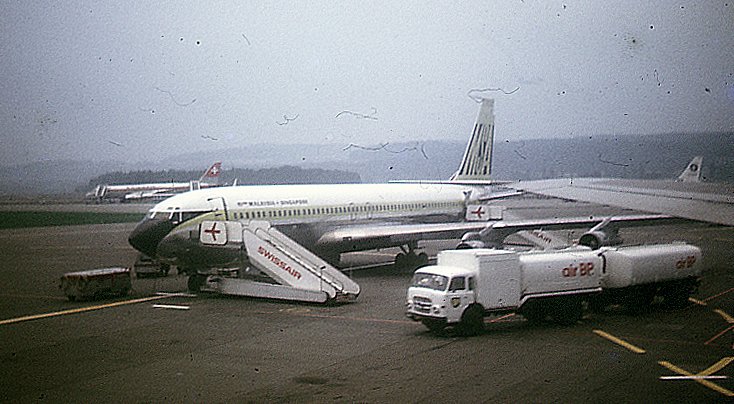
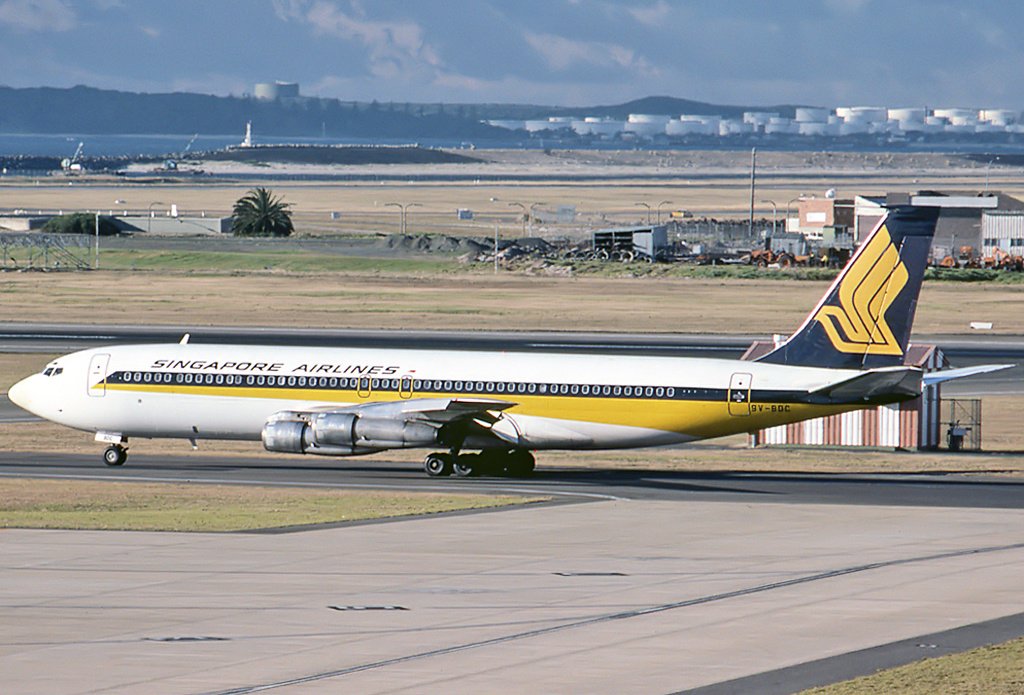
Malaysia-Singapore Airlines separated into two carriers in 1972. Singapore Airlines’ own account describes an early network of 22 destinations in 18 countries, served by a fleet of 10 aircraft.
National Library Board research records that the Singapore carrier inherited equipment, a Paya Lebar engineering base and the majority of the predecessor’s international routes. Inheriting those assets didn’t automatically give the new airline all the access it wanted.
An international airline had to negotiate like one
Lim recalled that Singapore had no domestic market to fall back on. The team negotiated rights early with Indonesia and Pakistan, while talks about landing in London were especially difficult.
In the National Library Board’s account of Lim’s recollection, the airline, with support from the Singapore government, served notice that an arrangement letting the British Overseas Airways Corporation land in Singapore could end. SIA then secured landing rights in London.
The bottleneck was outside the company
For a new airline, buying another aircraft wasn’t the same thing as opening another route. It needed agreements it didn’t control alone. That makes the early dispute a useful contrast to the more visible work of building a brand or deciding what to serve on board.
The leverage the carrier had came from an existing commercial relationship and government support. It wasn’t a negotiating tactic a small firm could simply copy.
Name the gate before committing to growth
An operator taking on a new location can ask what has to be true before it starts serving customers: an agreement with a landlord, a supplier’s production slot or a partner letting customers book through a distribution channel.
Find the person who can actually say yes and know when the answer will arrive. Until then, the expensive part you can buy isn’t necessarily the thing that gets you open.