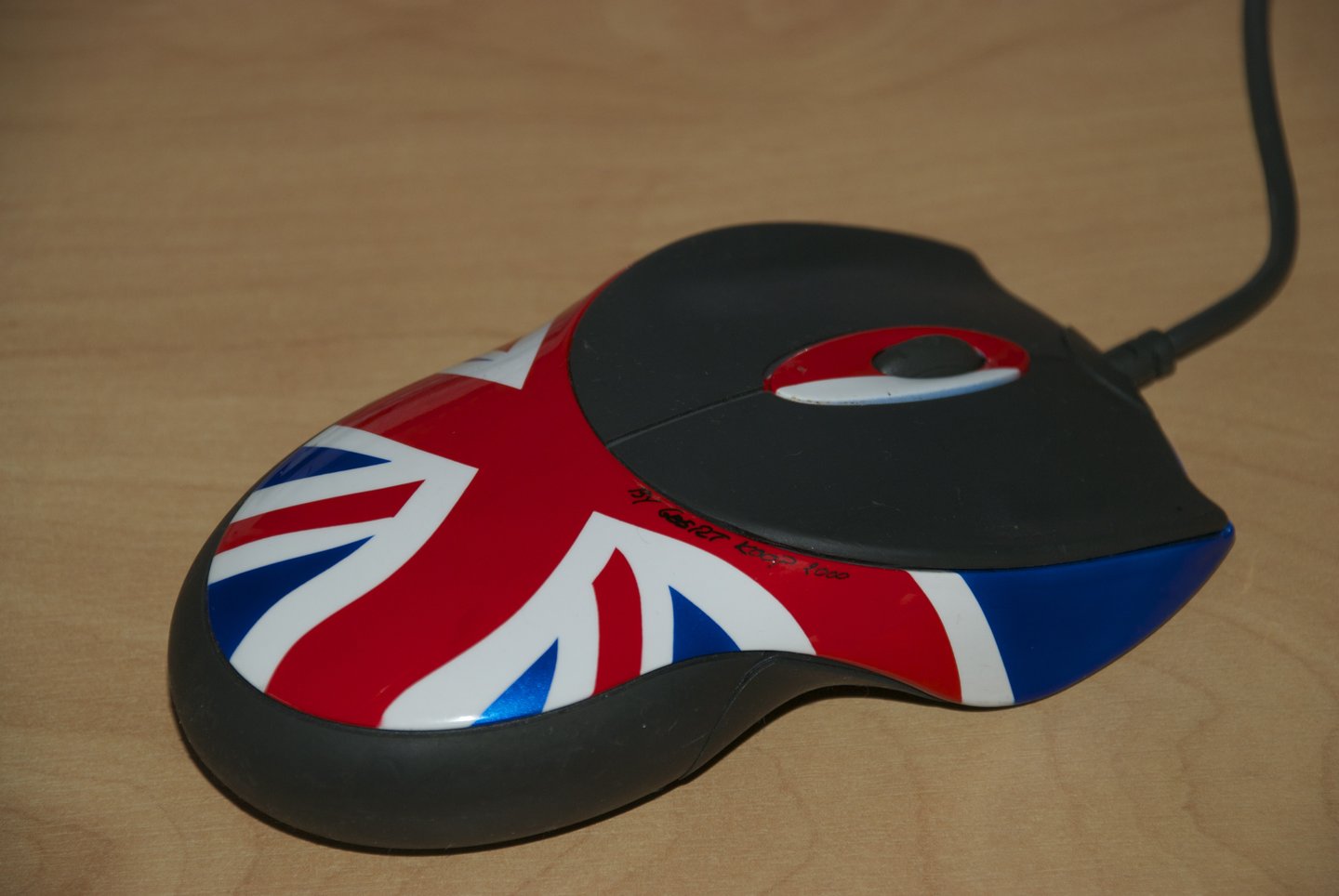
The Gaming Mouse That Came Before Razer Was Officially Founded
Before Razer sold laptops and sponsored esports teams, there was the Boomslang: a mouse built for players who cared how it performed in a game. It belonged to an earlier company. That distinction is where the founder story gets interesting.


The brand’s timeline starts before the company’s
Razer’s anniversary timeline attributes the Boomslang launch to Karna LLC, with input from Min-Liang Tan and Robert Krakoff. Razer’s formal founding came later, in 2005. Its 2017 Hong Kong listing document puts the founding and the launch of a flagship gaming mouse in that year.
That makes the early story more specific than a tale of two founders suddenly inventing a category. The product idea had already been tested in the market in an earlier form. The new company could build around a clearer audience than “anyone who owns a PC”.
A small category gave Razer something concrete to build
A gaming mouse let the team pitch a use case customers could immediately recognise. The useful question wasn’t whether the accessory sounded futuristic. It was whether a player wanted a mouse made for the way they played.
That difference matters for small companies. Trying to make a product broadly attractive can leave the team guessing which trade-offs matter. One sharply defined customer can say which compromise makes the product unusable.
The next products still made sense for the same customer
The company’s prospectus records a Microsoft collaboration in 2006 covering the Habu mouse and Reclusa keyboard. Later, Razer expanded into more devices and opened branded retail stores; its Southeast Asia headquarters at one-north opened in 2021.
A keyboard wasn’t the same product as a mouse, but both sat in the same customer’s setup. The useful question for a founder isn’t “what other category could this logo go on?” It’s “what does the same customer reach for right before or after using our product?”
The founder test: prove one job before chasing a catalogue
Choose the customer who notices the problem most. Ask them to compare the product with what they use today, without coaching them through the result. If they can name the specific reason they would switch, that is a better brief for product number two than a long list of hypotheticals.