From R. Sim Trading to OSIM: The Product Customers Needed to Try
A massage chair is hard to judge from a picture. It is a large, unfamiliar purchase whose design only makes sense once the person sits down. The story of Ron Sim’s business is a useful way to think about when an in-person demonstration earns its floor space.

The brand name came after the business
OSIM dates its origins to Ron Sim’s trading business in 1979. Its corporate timeline puts the start under the R. Sim name and the official OSIM brand launch later. It is easy to remember the current name and forget that the business spent years working out what to sell before customers saw that identity.
The store has to answer a difficult question
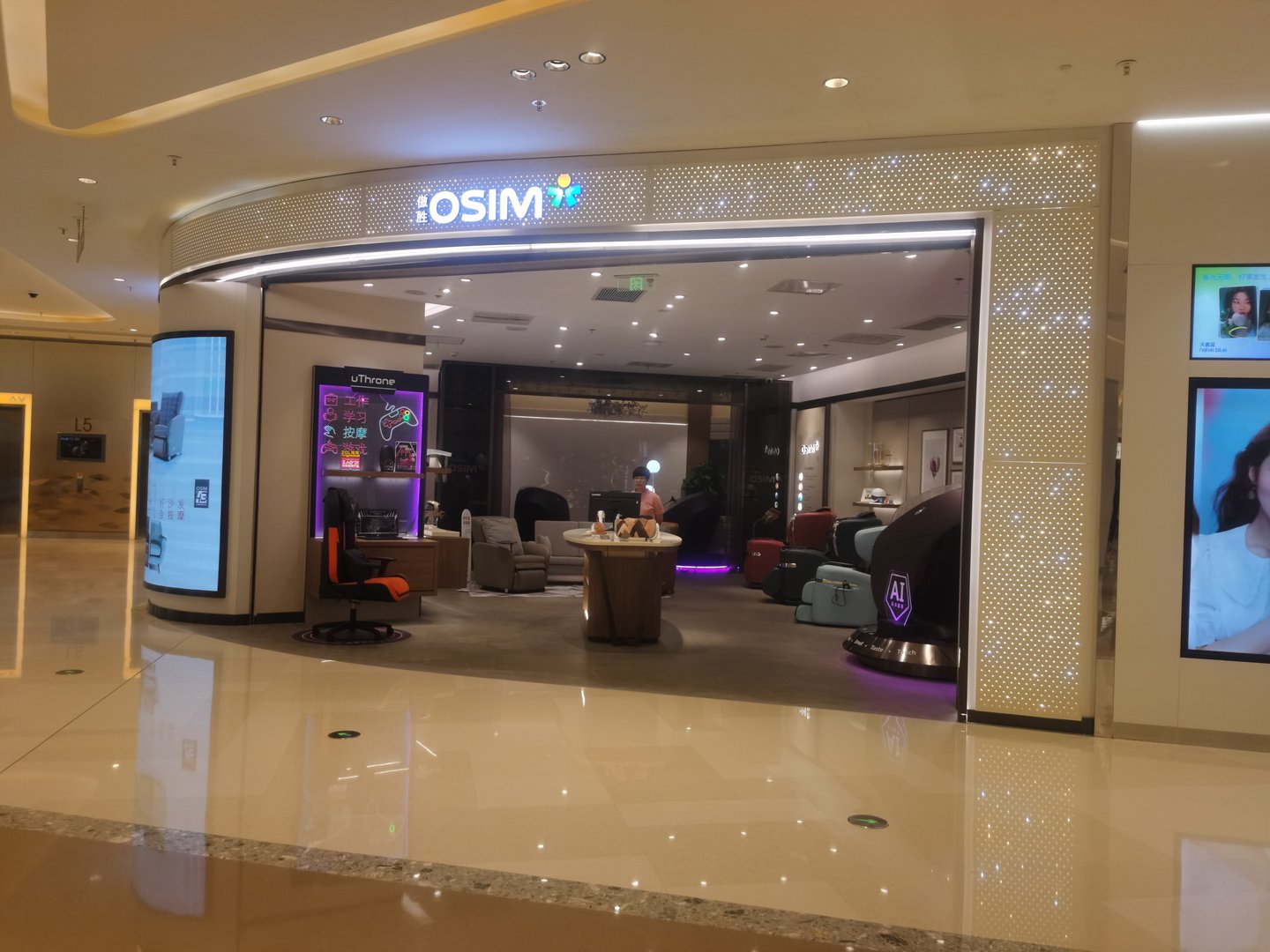
OSIM is known for its massage chairs. Calling that product comfortable on a sign is not the same as letting a customer find out whether the seat fits or the controls make sense. For a large purchase, a demonstration can answer the questions the listing cannot.
A new market is a new test
Enterprise Singapore’s account of OSIM’s US expansion describes the team testing the market before opening a physical shop in New York in 2023. The lesson is not to copy a global chain’s store plans. It is to work out what shoppers struggle to judge remotely before paying to let them try it.
Measure what people do after a demo
At a pop-up, show one product to customers and note which questions come up before and after they try it. Then track how many return or order rather than counting everyone who sits down. If the demo is mainly an attraction, changing the demonstration or the space may work better than opening more stores.