Old Chang Kee’s Secret Is Not Just the Recipe
The recipe-in-a-vault story is memorable. But a recipe alone cannot make thousands of curry puffs taste familiar. Old Chang Kee’s less glamorous story is about consistency.
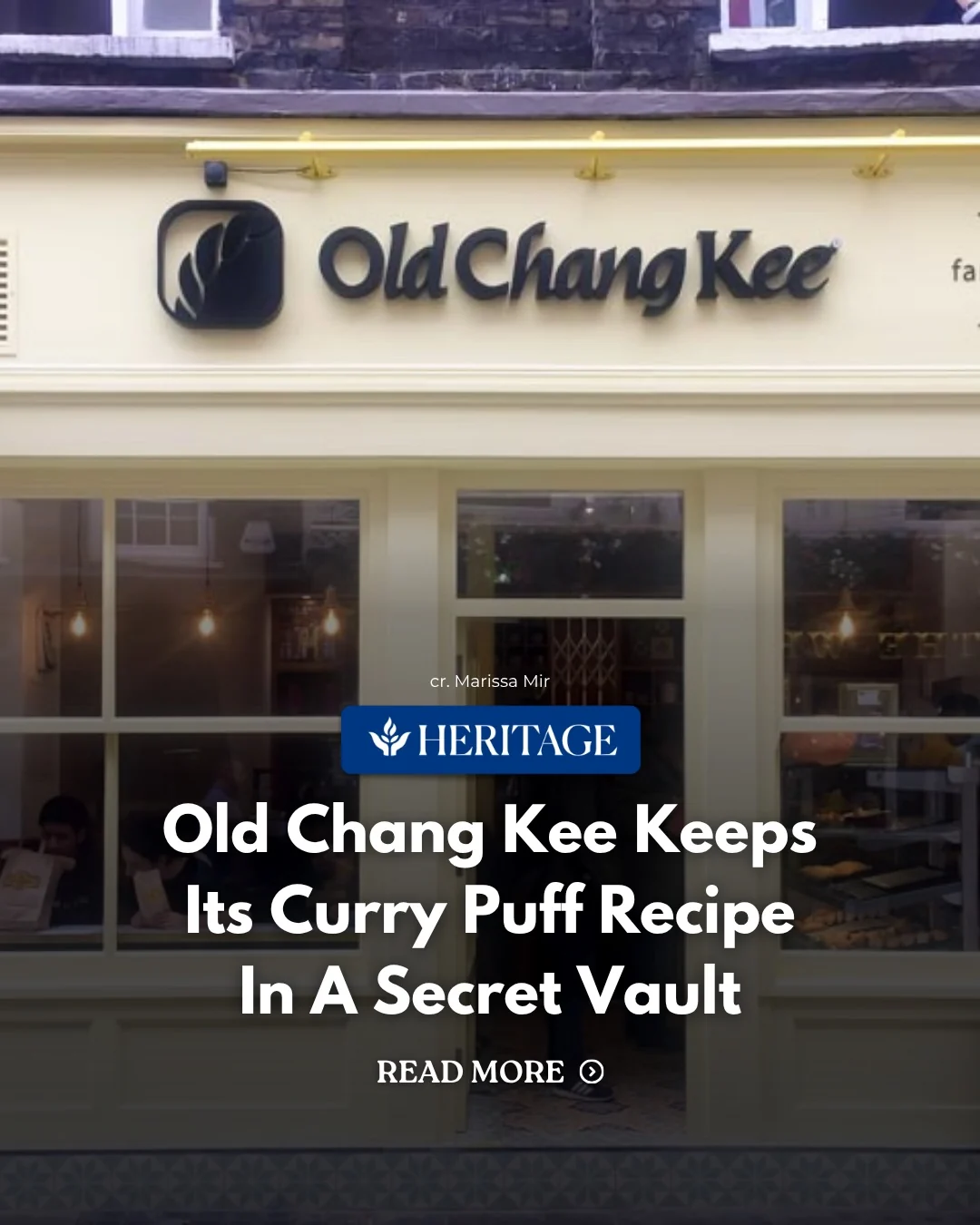
The original story, slide by slide
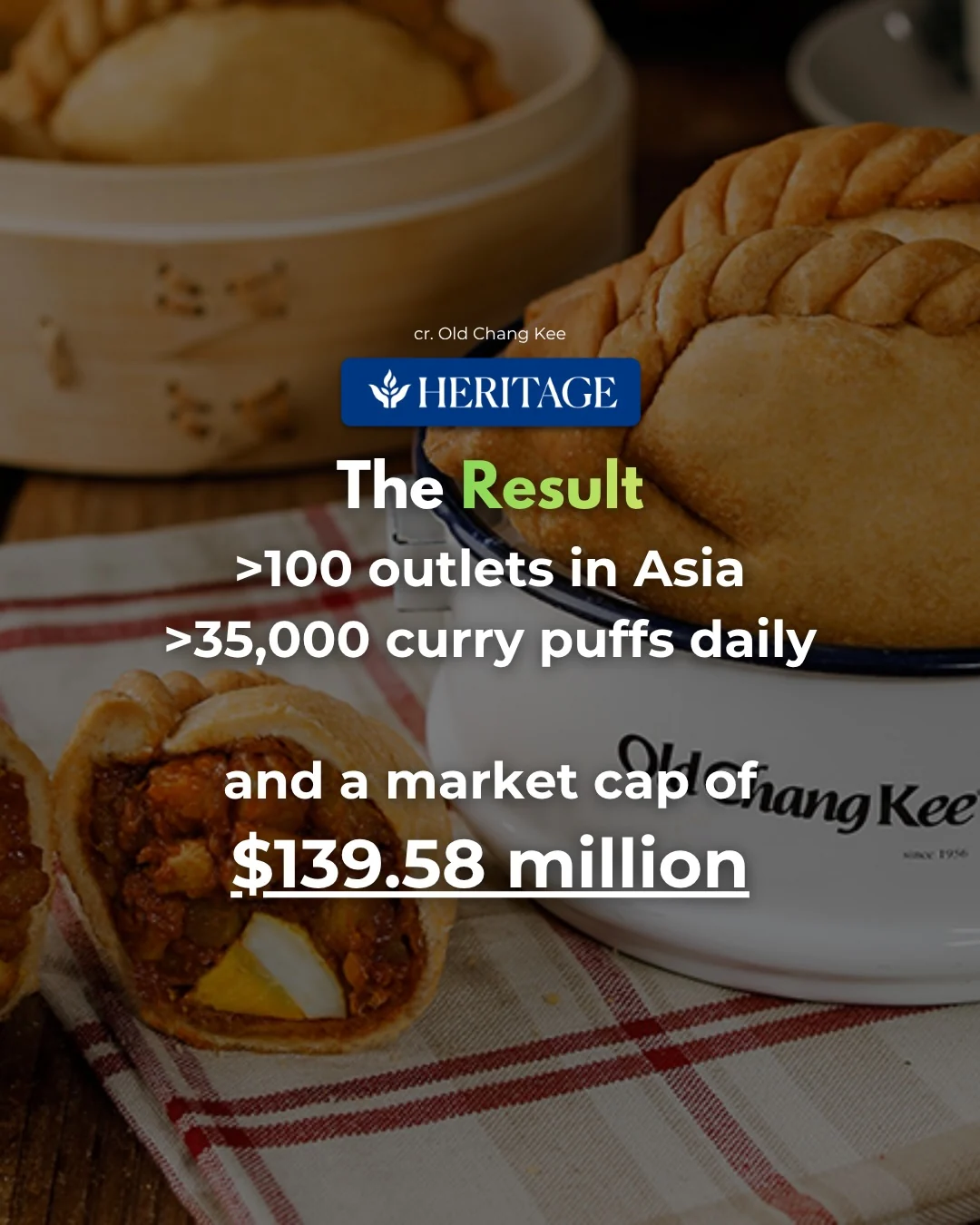
Original Heritage feature. The vault story is a reported account from brand representatives, not our inspection. Outlet, production and market-cap figures on the slides are historical and have not been reverified as current. Read the sourced operational context below.
Swipe or scroll sideways to read all 14 slides in order. View the original on Instagram.

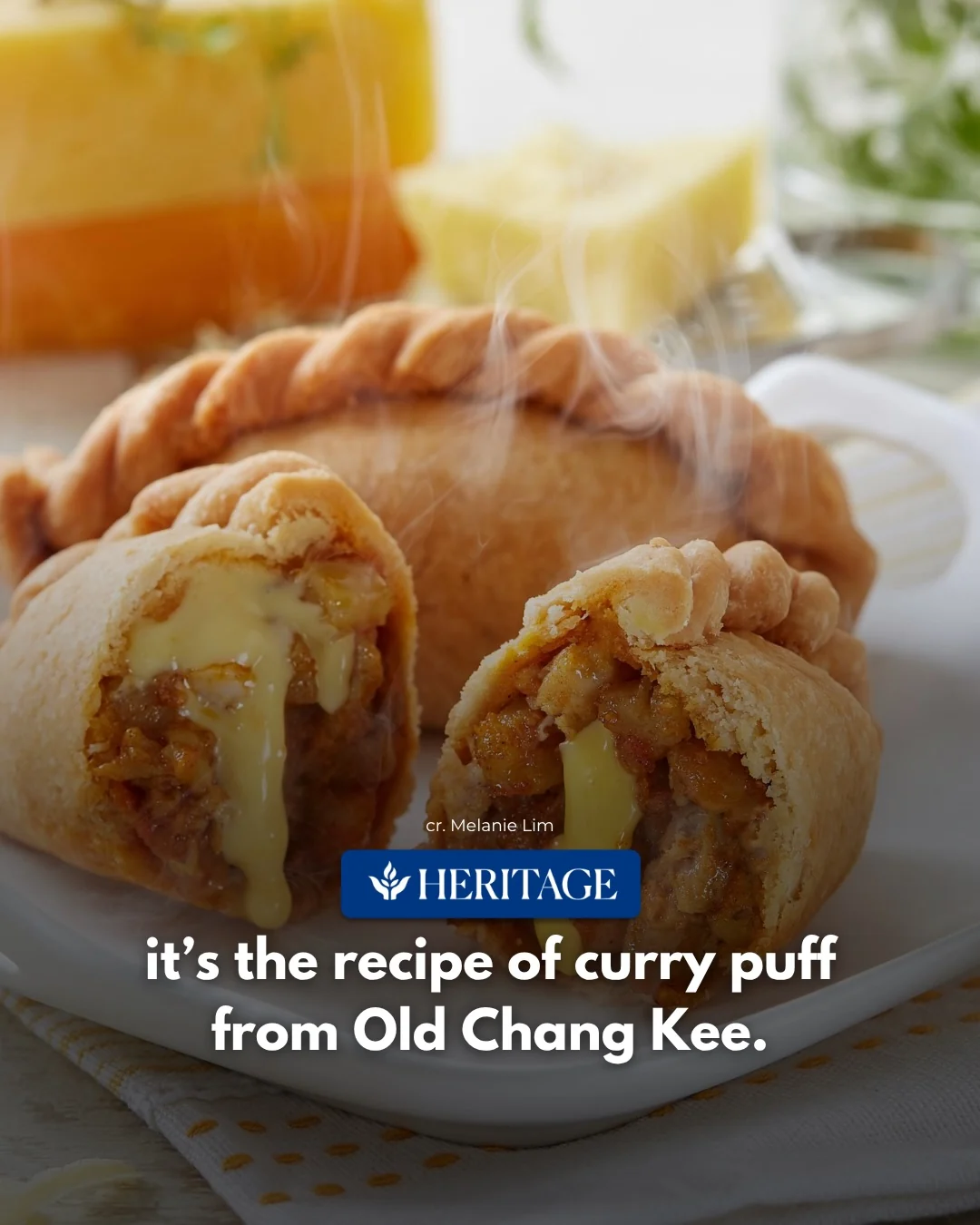

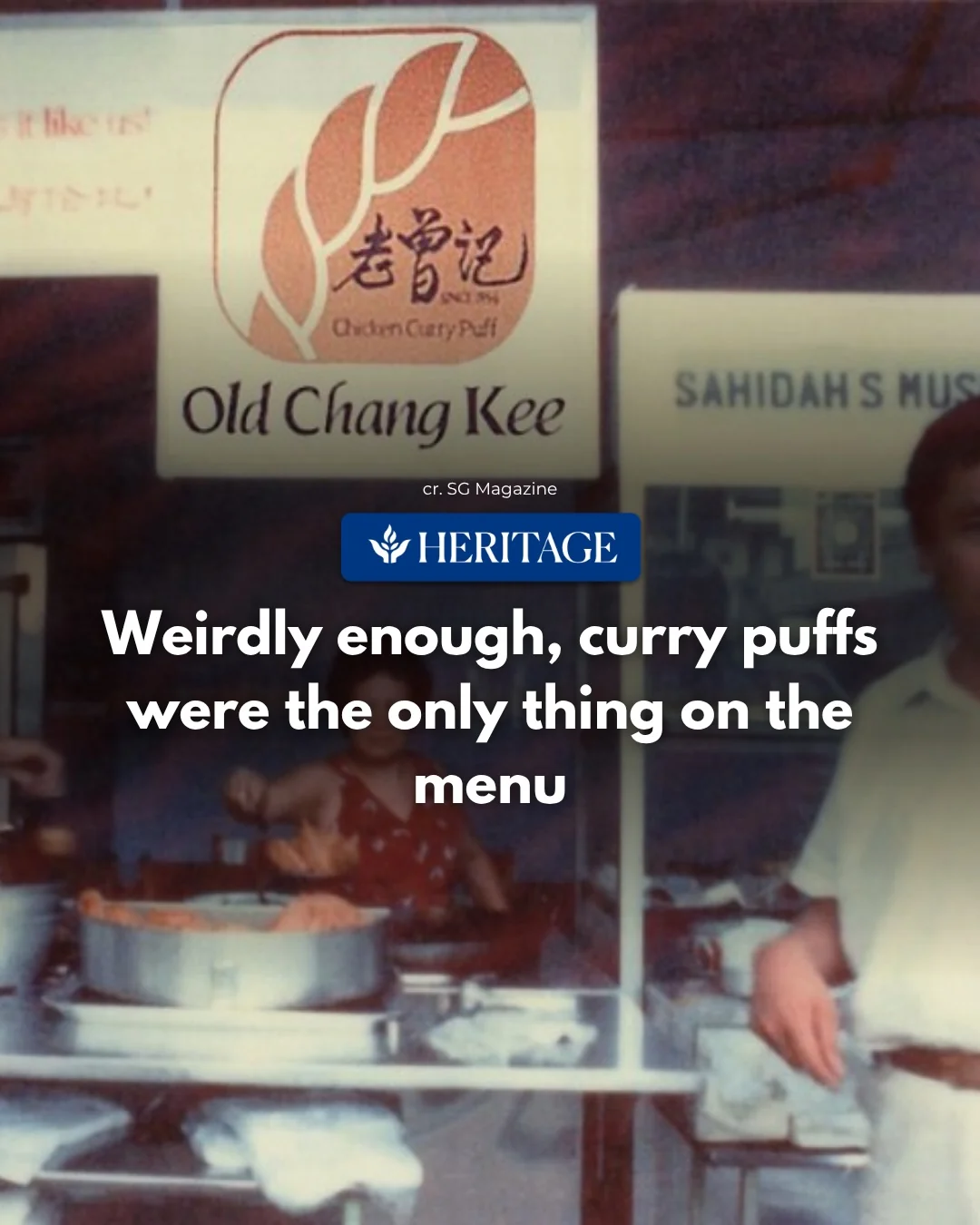
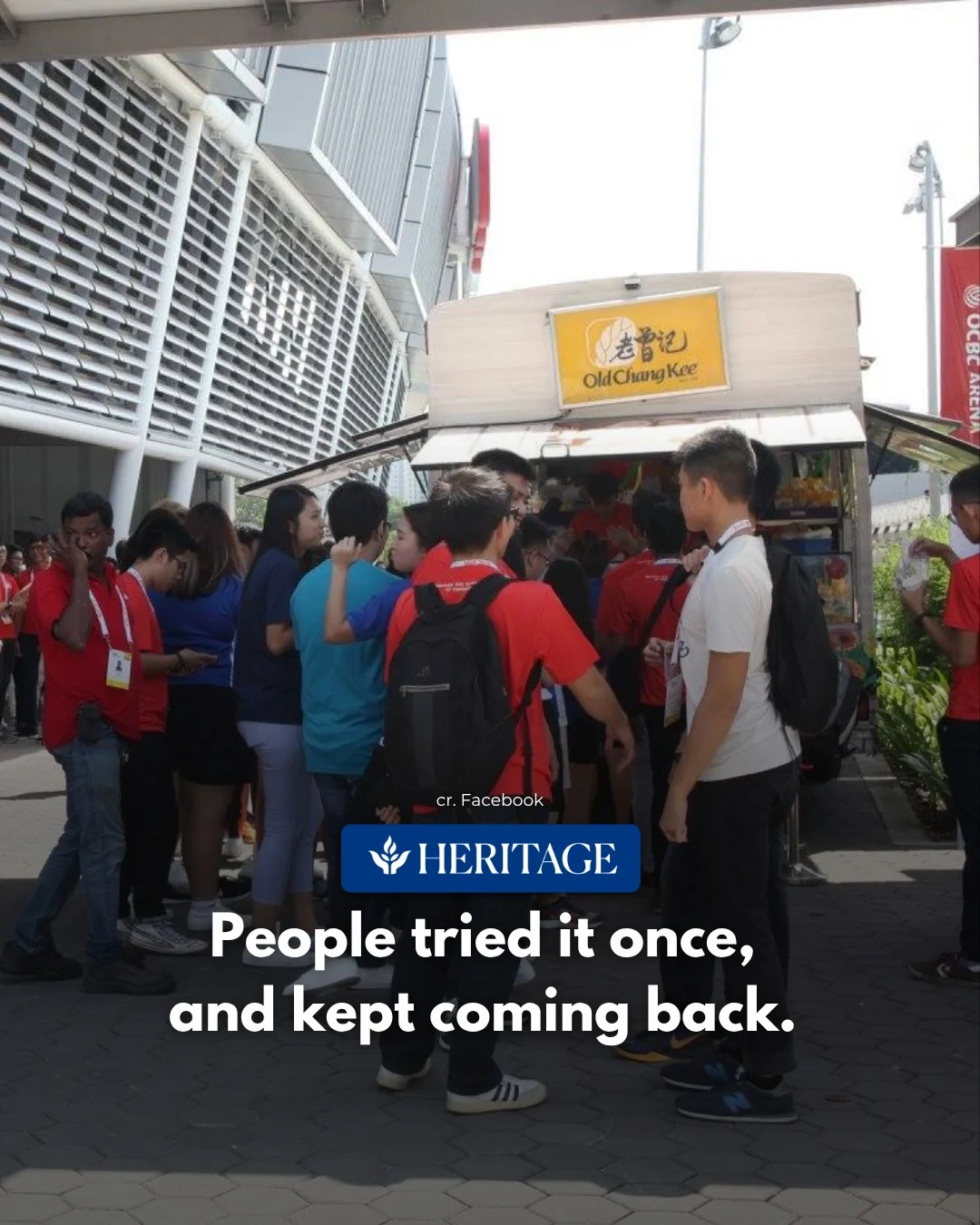
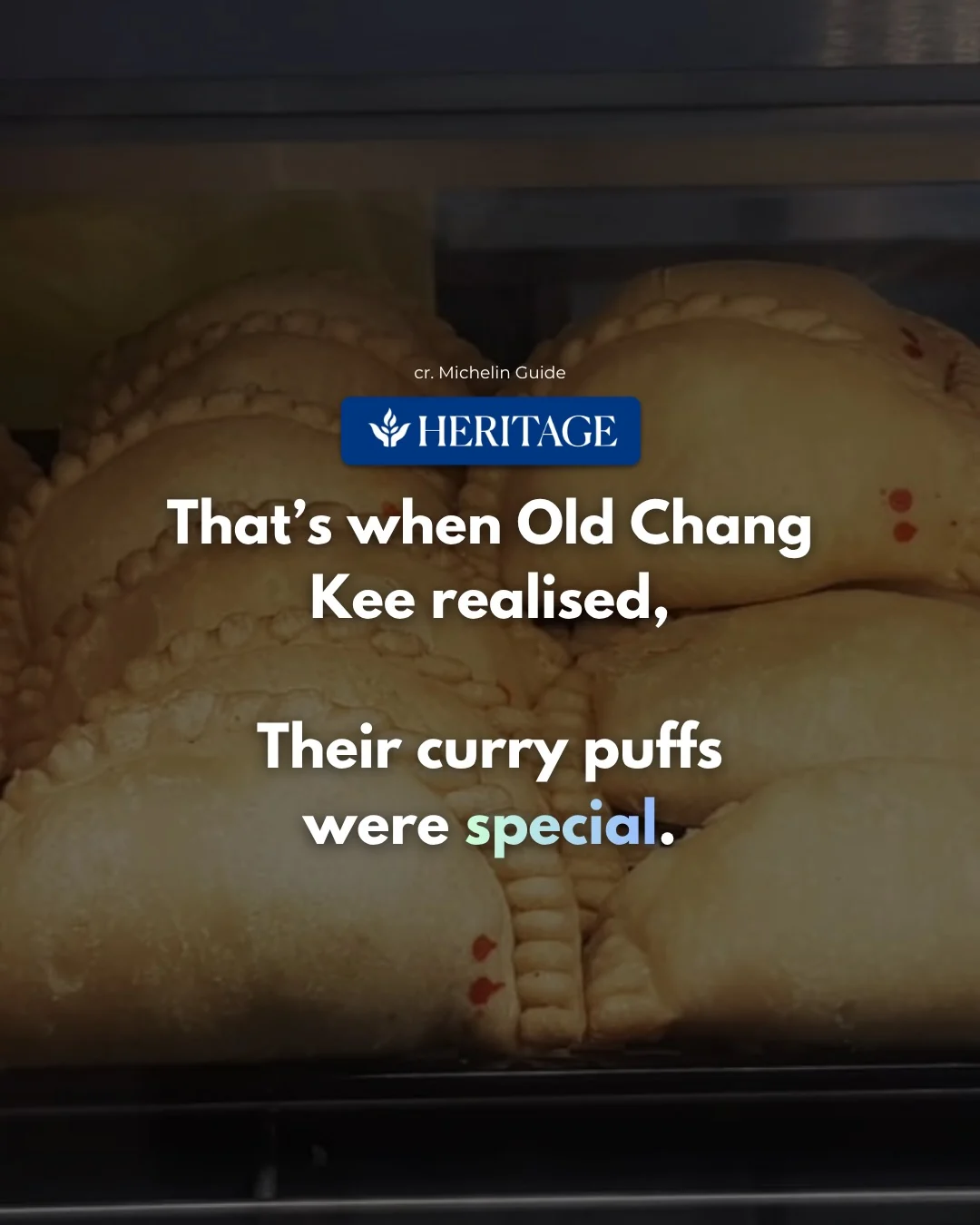



Yes, the vault story has a source
In a 2019 Just Eat for Business interview, the operator of Old Chang Kee in the UK, Sandra Leong, said the curry-puff recipe was kept in a bank vault. The Business Times also reported on the protected recipe in 2026. That supports the story behind Heritage’s original post without pretending we have seen the vault ourselves.
Keep the distinction clear: a brand representative’s account is a reported claim, not our independent inspection.
The business needed a repeatable product
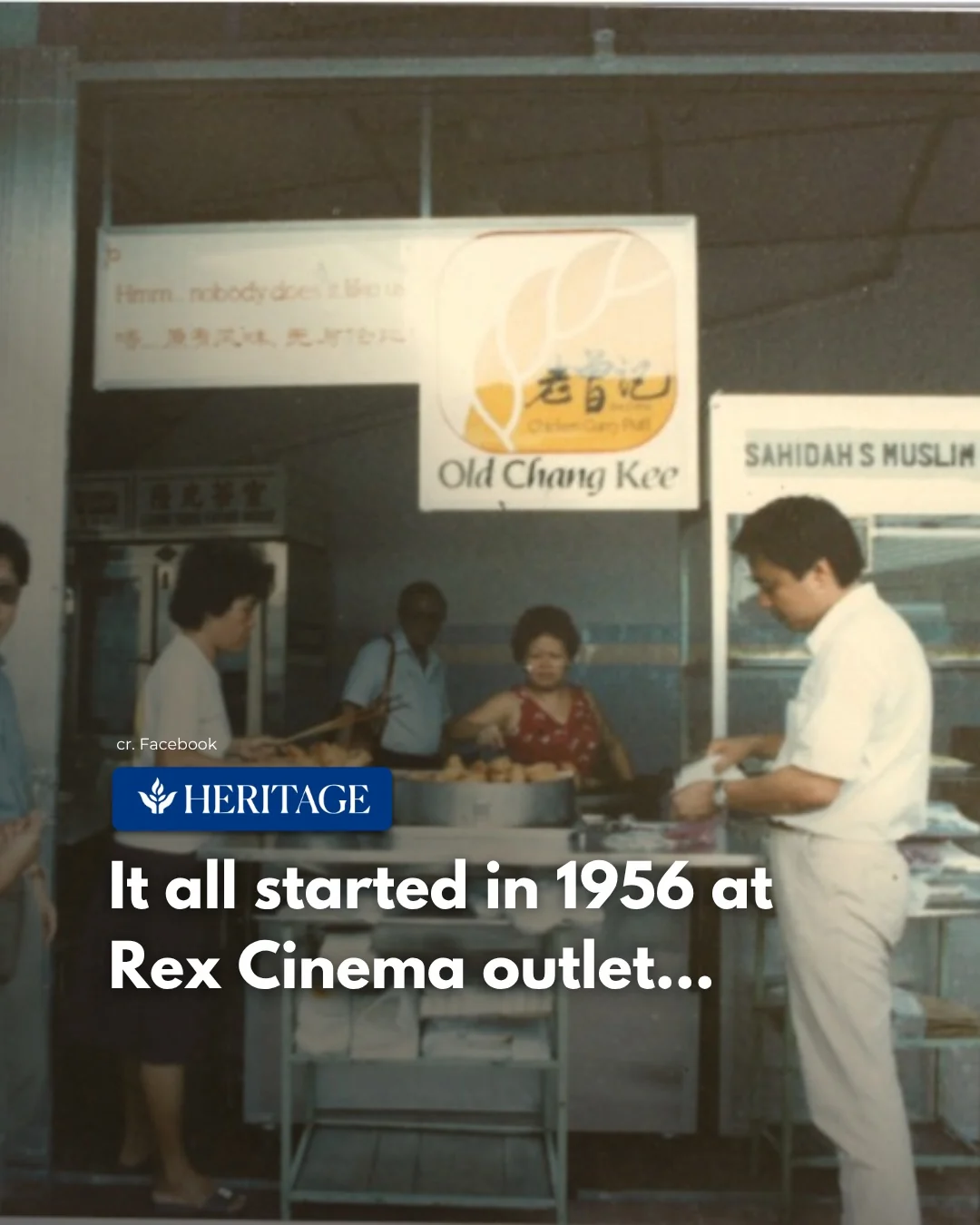
The company traces its beginnings to 1956. Han Keen Juan took control of the business in 1986. Enterprise Singapore’s case study explains that inconsistent seasoning helped drive a move towards a central kitchen and standardised procedures.
For a customer, the real promise is simple: the puff they liked last time should still be recognisable next time. Protecting a recipe and delivering it consistently are different jobs. A growing business needs both.
Automation was about the process, too
Enterprise Singapore describes a 2015 investment in more sophisticated pastry equipment, supported by its then Capability Development Grant. Cutting dough and depositing filling became more automated, improving consistency and freeing staff for other production steps.
Those are historical operational examples, not today’s machine count, staffing level or daily production figures. The useful point is where the investment went: a repeatable process behind the product customers already knew.
What a smaller food business can take from it
Before adding another outlet, write down what must stay consistent: ingredients, portioning, preparation, holding time and the handover between staff. Then identify the step that creates the most variation.
That is our practical takeaway, not a claim that a central kitchen is right for every operator. The next investment may be better instructions or training rather than expensive machinery. A secret recipe gets attention. A dependable product earns the return visit.