Before Mustafa Centre, Mustaq Ahmad Sold Handkerchiefs Next to His Father’s Shop
Mustafa Centre wasn’t the first thing Mustaq Ahmad tried to sell. Next to his father’s shop, he and a friend started with handkerchiefs. The side trade gave the family an early reason to change what its business sold.

The existing shop was doing something else
The National Heritage Board traces the Mustafa business to Haji Mohamed Mustafa, Mustaq’s father, who arrived in Singapore from Uttar Pradesh in 1952. The family was in the food business before its move into retail.
Mustaq’s handkerchief sales took place alongside that work. It wasn’t necessary to close the old business in order to find out whether anybody nearby would pay for a different product.
In 1971 the family changed course
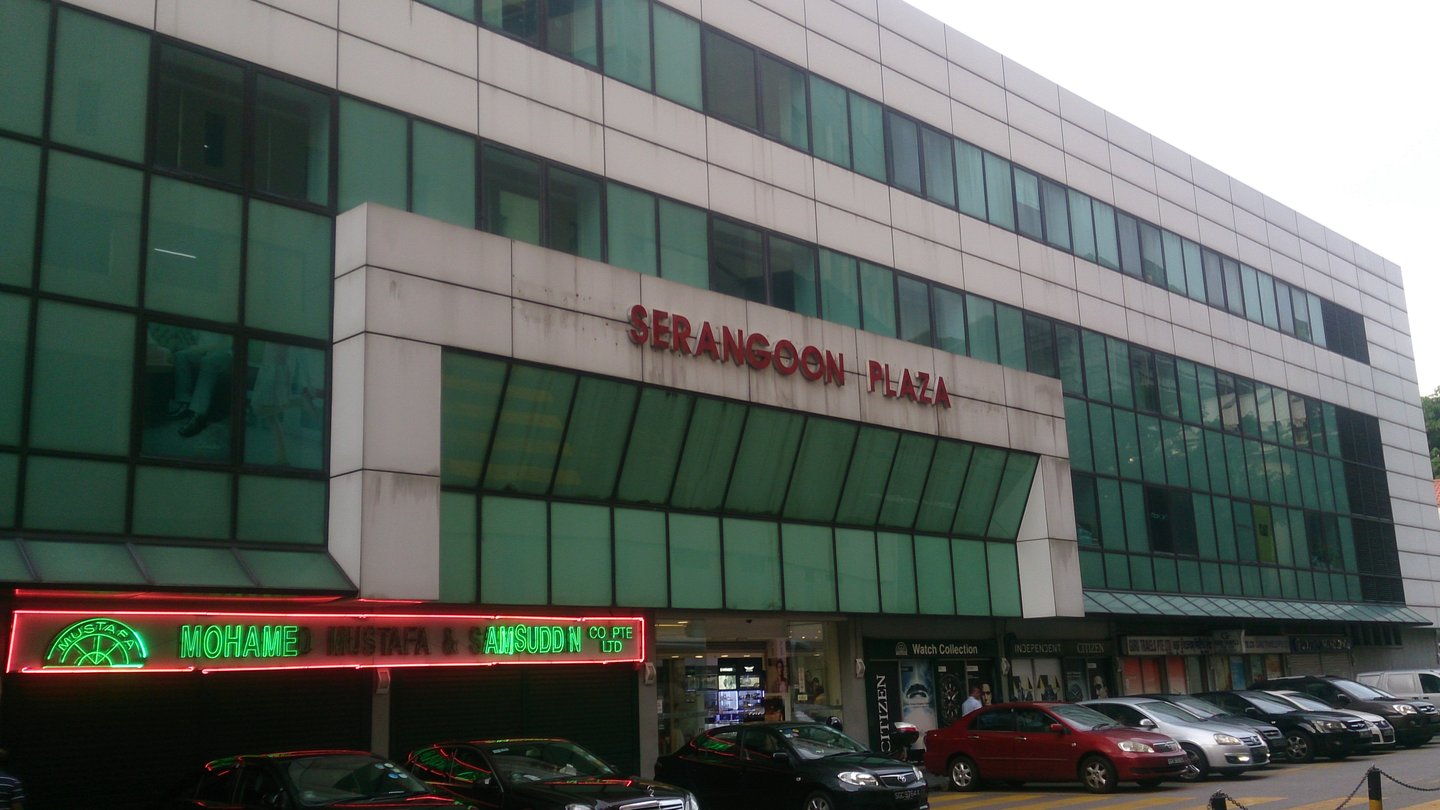
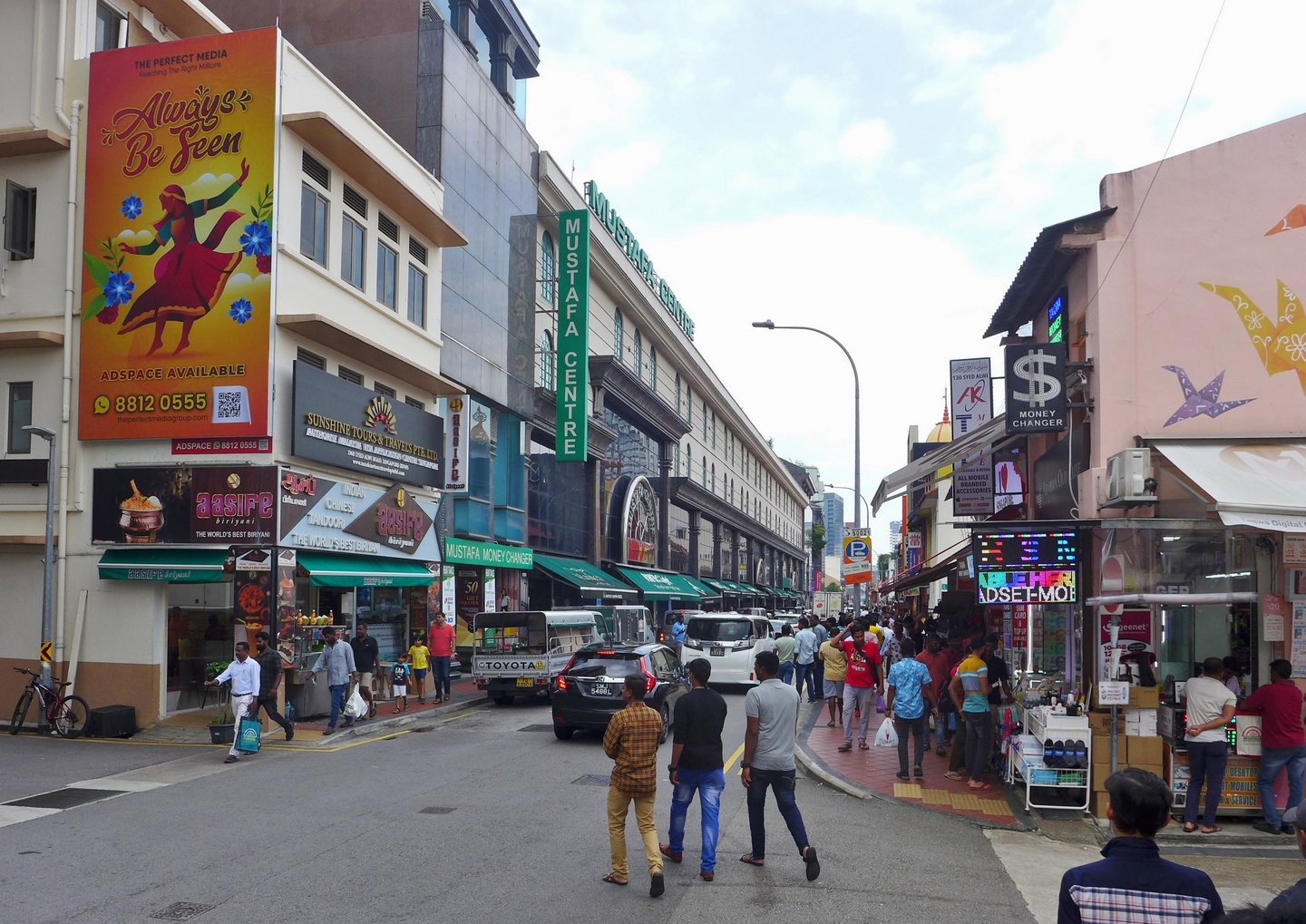
In the Heritage Board’s account, the success of Mustaq’s trading prompted the family to switch from food into retail in 1971. The business later acquired additional space at Serangoon Plaza. By 1995 it had grown into Mustafa Centre.
It is easy to remember the department store and miss the sequence: the family saw what moved first, changed its focus, and added space as it expanded. The bigger footprint was not the original experiment.
Early sales point to a question, not a conclusion
Selling through a batch tells you something a customer survey can’t. It does not yet tell you whether people will return, your supplier can restock reliably, or a larger assortment will move just as quickly.
A small trial gives the operator time to find out which questions are worth spending on. It also lets them separate an offer that works at one counter from one that can carry the rent for another shop.
Run the next test beside something that already works
If you already have a stall or a shop, try one shelf of the new range before committing to another lease. Record which items people buy, which ones they ask for after stock runs out, and what it costs to replenish them.
If you cannot tell whether customers came for the old offer or the new one, change one thing at a time. The useful result isn’t a big headline; it is knowing what to buy for the next batch.