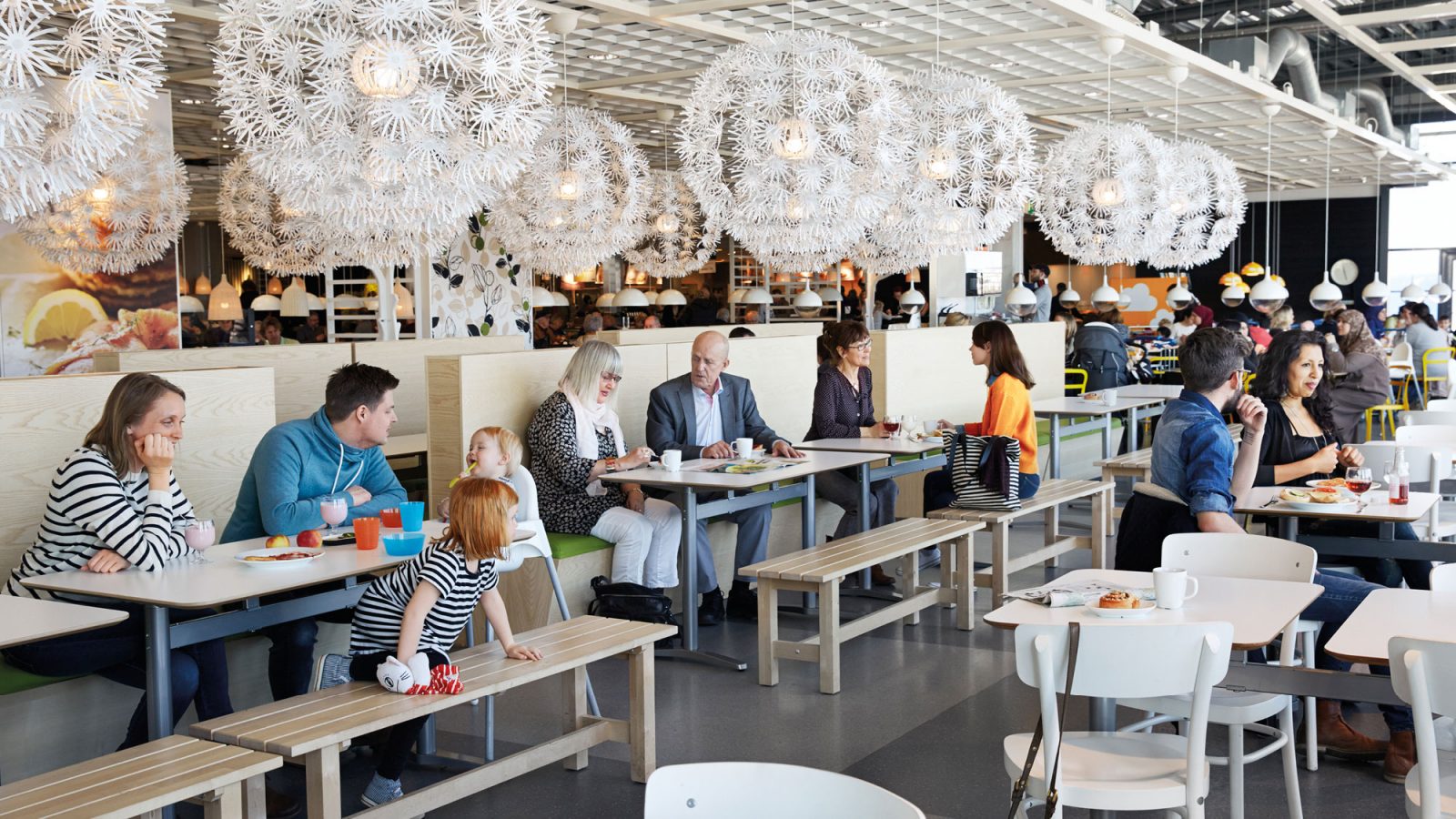
Why IKEA Has a Restaurant: The Business Behind the Break
You can go to IKEA for lunch and leave without a sofa. That does not make the restaurant a strange side project. Food has been part of the way IKEA thinks about the whole visit for decades.
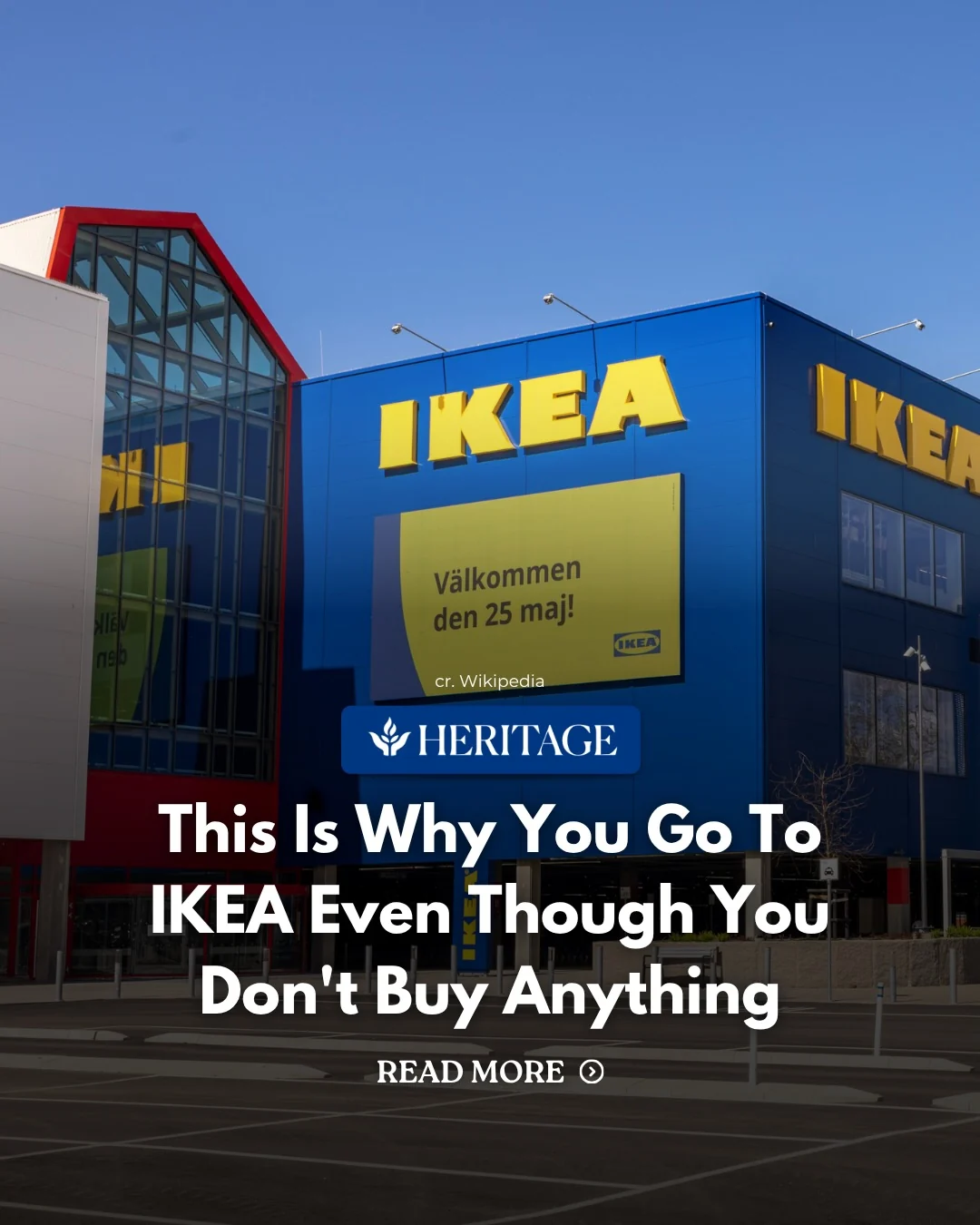
The original story, slide by slide
Original Heritage retail commentary. The illustrated shopping journey is not a rule for every IKEA store or every shopper. It does not prove that staying longer causes a purchase. The researched context below explains the history of the restaurant concept.
Swipe or scroll sideways to read all 15 slides in order. View the original on Instagram.
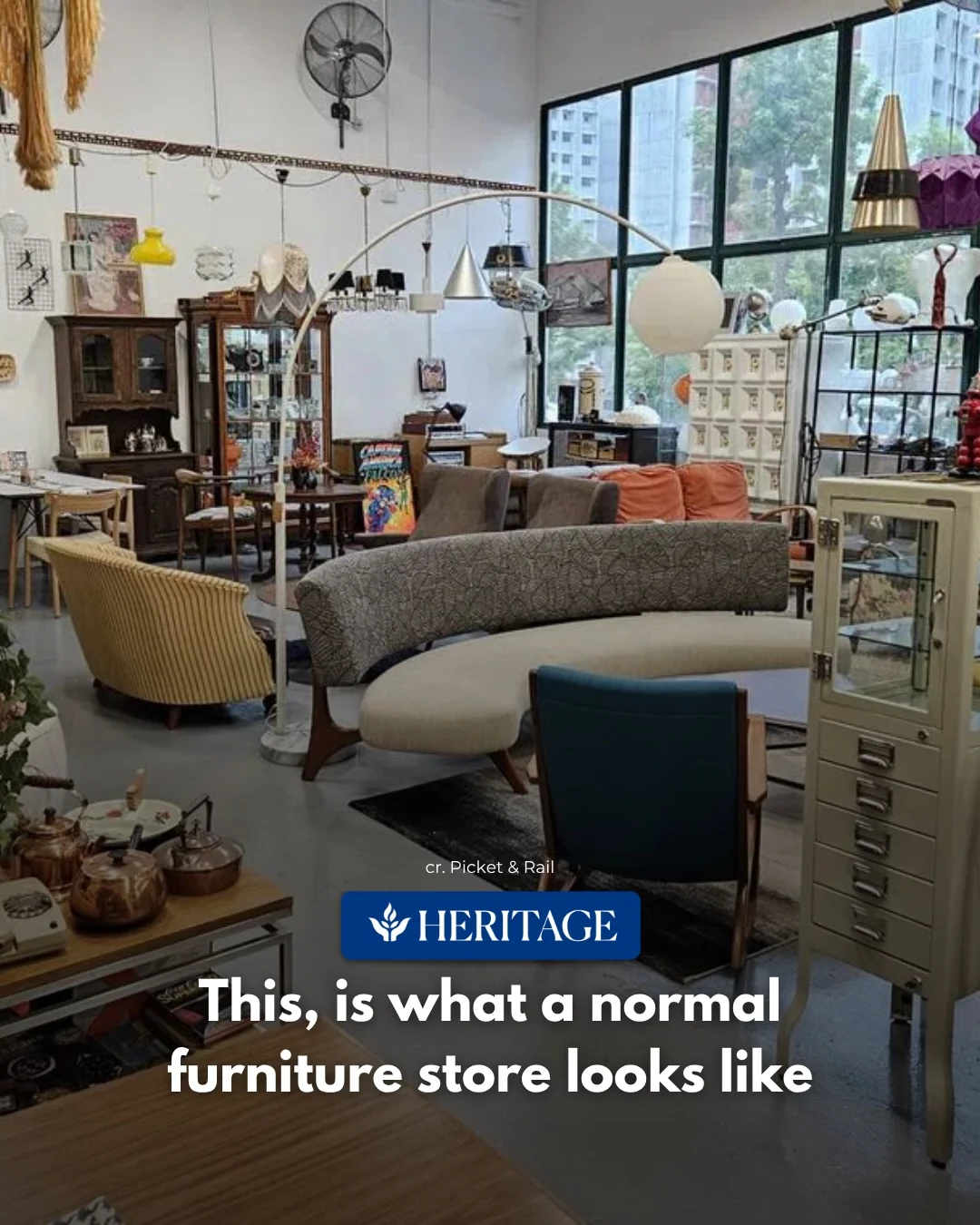
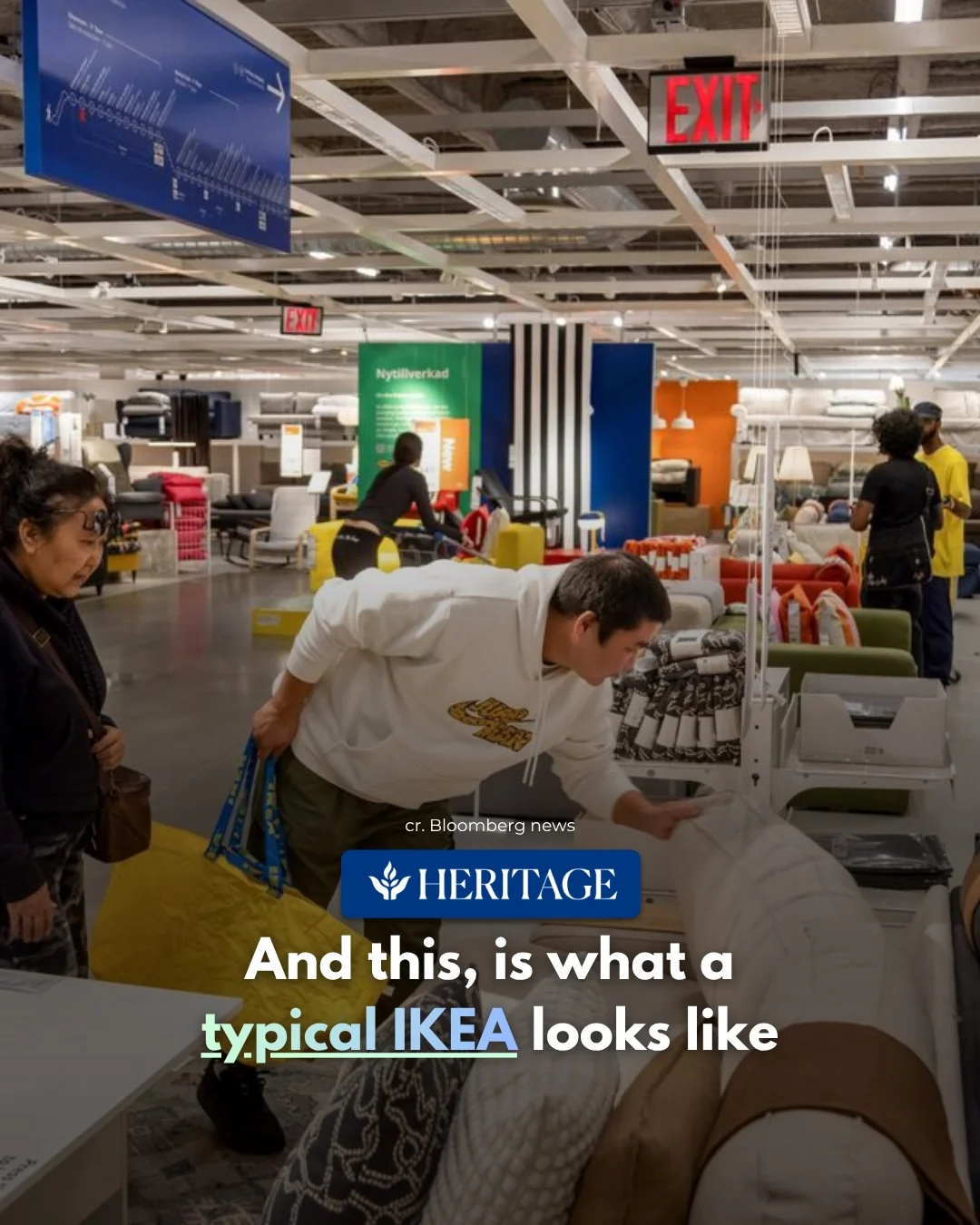
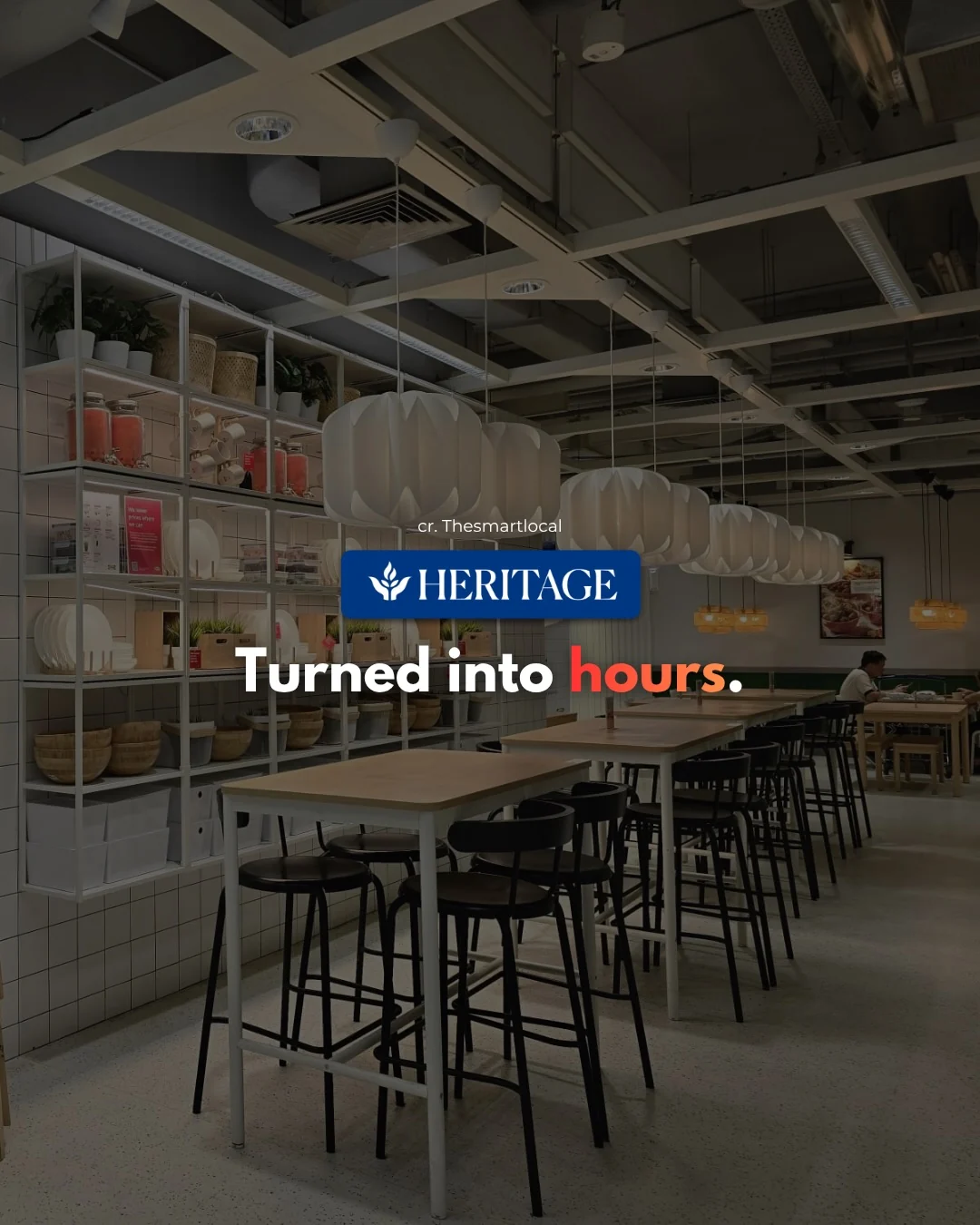




The problem was ordinary: people needed lunch
IKEA’s official history says customers were leaving its Älmhult store at lunchtime to eat elsewhere. In 1960, the food offer developed from coffee and cold dishes into a kitchen serving hot food.
The important detail is the interruption. A furniture trip takes time, and hunger does not disappear because someone is comparing wardrobes. Giving people somewhere to eat addressed a practical part of the visit.
Food became part of the identity, too
IKEA Museum’s account describes Swedish and Småland dishes at the Kungens Kurva restaurant when that store opened in 1965. It also explains how restaurant operations were reviewed and a more consistent concept developed during the 1980s.
So the restaurant was not just somewhere to sit. It could express the same Swedish identity customers encountered in the furniture, names and store presentation. That connection is more specific than adding an unrelated attraction just to keep people around.
Do not turn the story into mind control
The company’s histories explain what IKEA intended and how its restaurant concept developed. They do not prove that every person who eats there buys more furniture, or that a winding route guarantees a purchase.
That distinction matters when borrowing the idea. A helpful service may make a visit easier without turning every visitor into a buyer. It should still be useful to the person using it.
What a smaller business can borrow
Look at the point where a customer’s task becomes tiring or confusing. Do they need somewhere to wait, clearer comparisons, a short demonstration or an easier collection process? Solve that problem before inventing a new product line.
That is our interpretation of IKEA’s history, not a recommendation for every shop to open a café. The principle is to design around the whole visit. The right extra service should fit your customer and be something you can operate well.