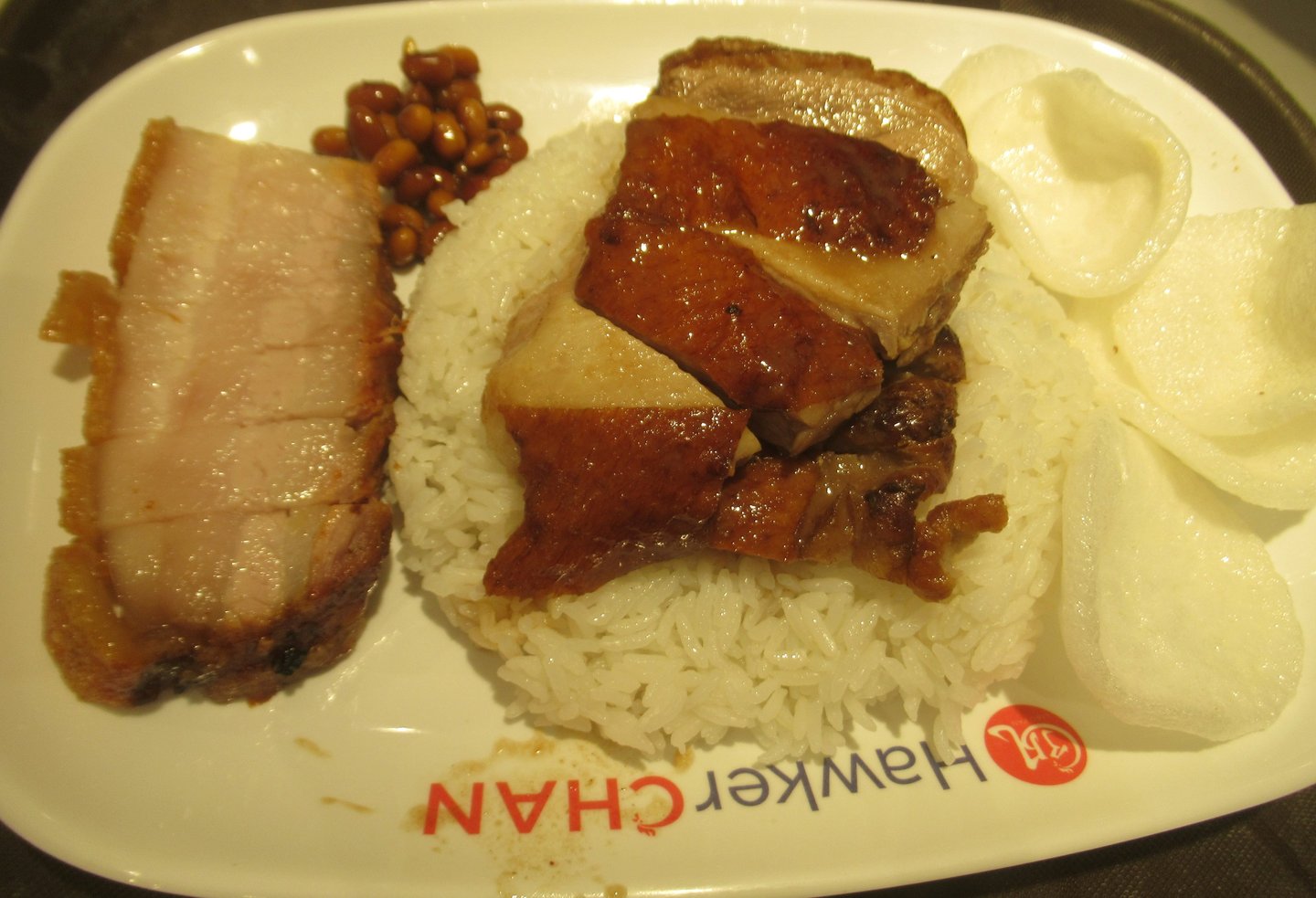
After a Michelin Star, Hawker Chan Faced a Different Test: Could One Stall Become a Restaurant?
A Michelin star gave Chan Hon Meng’s Chinatown Complex stall international attention in 2016. It also set up a harder business question: could the same dish work somewhere else, away from the counter and routine that had made it known?
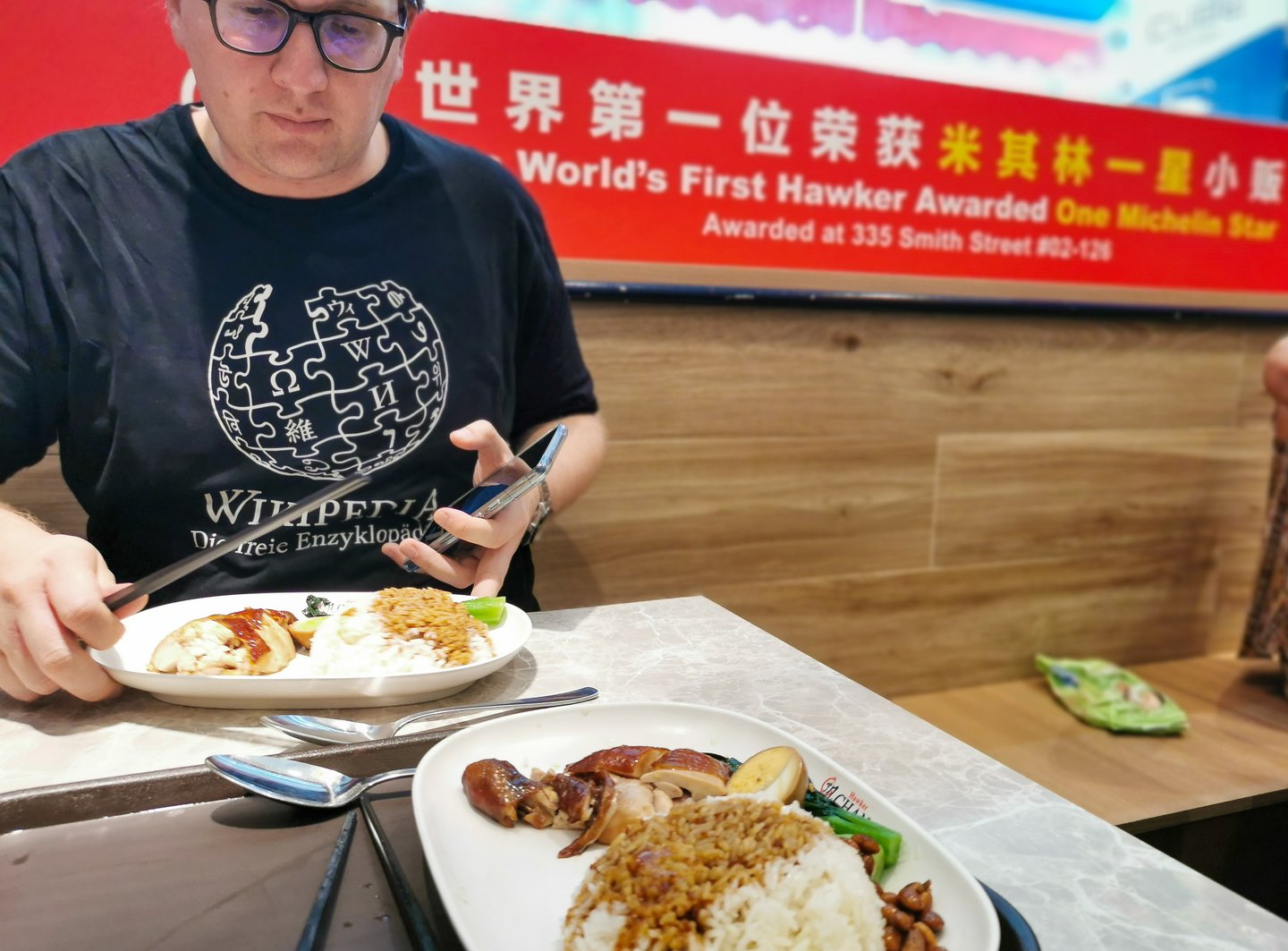

Seven years at Chinatown Complex came before the award
According to Hawker Chan’s own account, Chan grew up in Ipoh and moved to Singapore for work at 15. He learned to cook soya sauce chicken under a Hong Kong chef and opened his Chinatown Complex stall in 2009.
The brand’s story describes his usual early preparation, including sauce and braising. That work is part of the story of what customers bought. A short menu description doesn’t tell a second team how to deliver the same plate.
One award created demand; a partner created a second format
The Michelin Guide documented the stall’s 2016 award. In October that year, according to Hawker Chan, it partnered with Hersing Culinary to bring the signature soya sauce chicken rice and noodles into a quick-service restaurant format.
The distinction matters: the award belonged to the stall in the 2016 guide. The restaurant format and branches are a different chapter, not an automatic extension of that distinction.
What can stay the same when the counter changes?
A stall and a quick-service restaurant have different queues, staffing and handoffs, even if they sell the same dish. The question for a founder planning a second outlet is what should survive those changes: how the dish tastes, how long customers wait and what they pay for the meal.
A restaurant abroad is a visible consequence of that decision. It doesn’t prove the outlet is profitable or the meal identical, but it shows how far the format moved from one Singapore hawker counter.
What to test before signing a second lease
Try a full service with the founder off the line. Measure what changes: the number of plates the team can serve at lunch, the consistency of each batch and how often customers have to wait for fresh stock.
The aim is to find the step that only the original team knows how to do. It is cheaper to fix that training or supply gap before a second outlet has a queue of its own.