Your First Paying Customer Matters More Than a Perfect Launch
Your friends like the idea. The logo looks good. There is just one slightly inconvenient detail: nobody has paid for it yet.
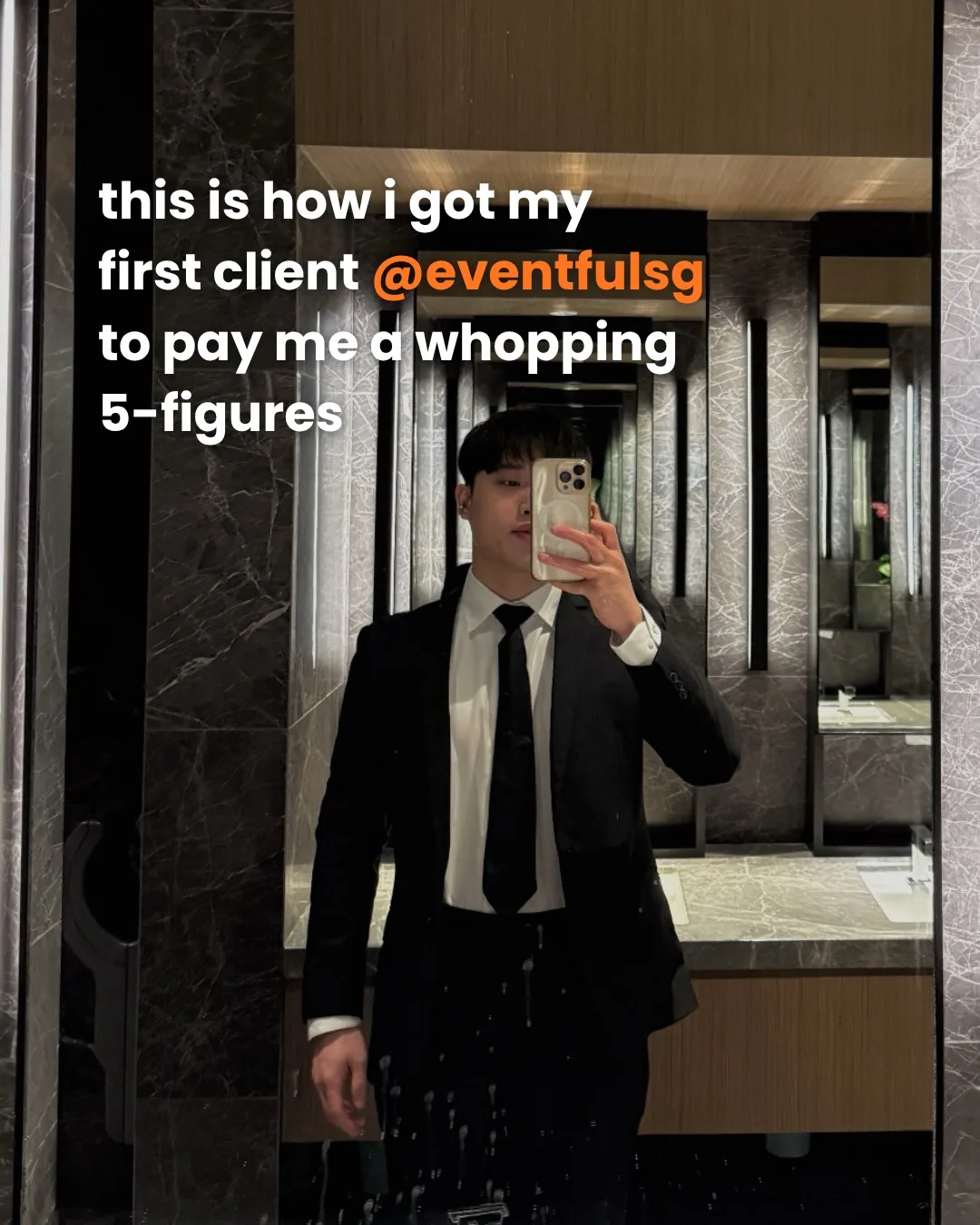
What the first sale actually tells you
In Heritage’s first-client story, Joston describes a $360 invoice after cold messages and an eventual reply. The useful part is the small, real commitment. Someone chose the work at a stated price. That is stronger evidence than a compliment, although one sale still cannot prove a repeatable business.
Read the original: Eventful’s First Paid Client: Yes, $360 Counts.
Sell one clear outcome
Choose one customer and one problem. A freelance designer could offer a menu refresh for a café, rather than introduce a full creative agency with twelve services. State what the buyer receives, the delivery date, the price and what is excluded. This is an illustrative example, not a recommended price or a promise that cafés will buy.
Write down the objections, not just the yeses
After each conversation, record what the person needed, whether your offer matched it, and why they bought or declined. Ask what they would do instead. “Too expensive” can mean the budget is wrong, the result is unclear or the problem is not urgent. Do not solve three different objections by immediately cutting the price.
Deliver, then check whether you can repeat it
Track the time and materials needed to deliver the first job. Ask what was useful and what caused confusion. Then try the same offer with a similar customer without relying on a personal favour. Joshua Chan’s original Heritage lessons include choosing a clear audience and understanding the business numbers. Here, those ideas become a simple question: can you deliver the promised result again, at a workable cost?
Read the original: Joshua Chan’s Five Lessons From ErgoTune.
Your next move
Write a one-paragraph offer and send it to a small, relevant set of people you are permitted to contact. Set a review date before you begin. Judge what you learned as well as what you sold. A first client is a starting point, not a reason to order a lifetime supply of branded tote bags.
A simple first-sale log
Use five columns: customer situation, offer made, answer, reason given and delivery effort. If three people ask for something outside the offer, investigate whether that is the real demand before adding it. Keep the original offer visible so you can tell whether you are testing one idea or changing it after every conversation. A row marked “no reply” is not evidence that the price was wrong; it only tells you the conversation did not happen.