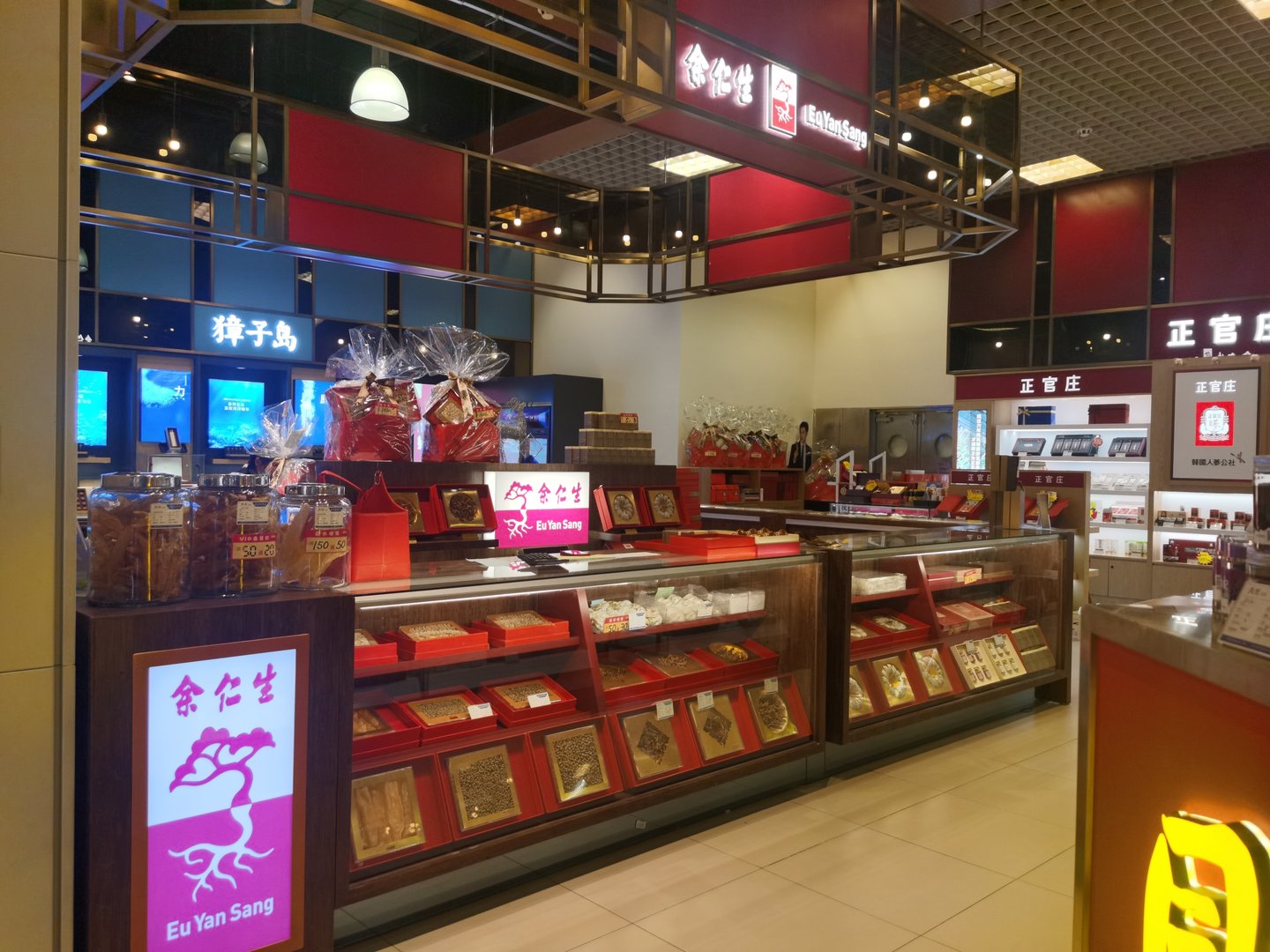
Eu Yan Sang Began in Perak. The Family Put Its Name on the Business in Singapore.
The first Yan Sang shop was not in Singapore. It was in Gopeng, Perak, in 1879. Singapore entered the story later, when the next generation made the family name part of the business it was building across different towns.

Start with the place that needed the shop
Company histories describe Eu Kong opening Yan Sang in Gopeng in 1879, in a community shaped by tin mining. Eu Yan Sang’s account also says he added remittance services for workers.
The founder’s stated reasons for opening the store are part of the business history. They are not evidence that any product treats a medical condition.
The second generation had a different problem
Eu Kong had established a shop in one town. The company’s timeline says his son Eu Tong Sen inherited the business and added a shop in Kampar. In 1910 he moved the headquarters to Singapore and attached the family name Eu to the medicine business.
A name can do work that a founder can’t do in person. It can tell someone at another counter that this shop belongs to the same operation. But once people expect that connection, the name raises the stakes when the experience differs.
The story in Chinatown is part of a wider one
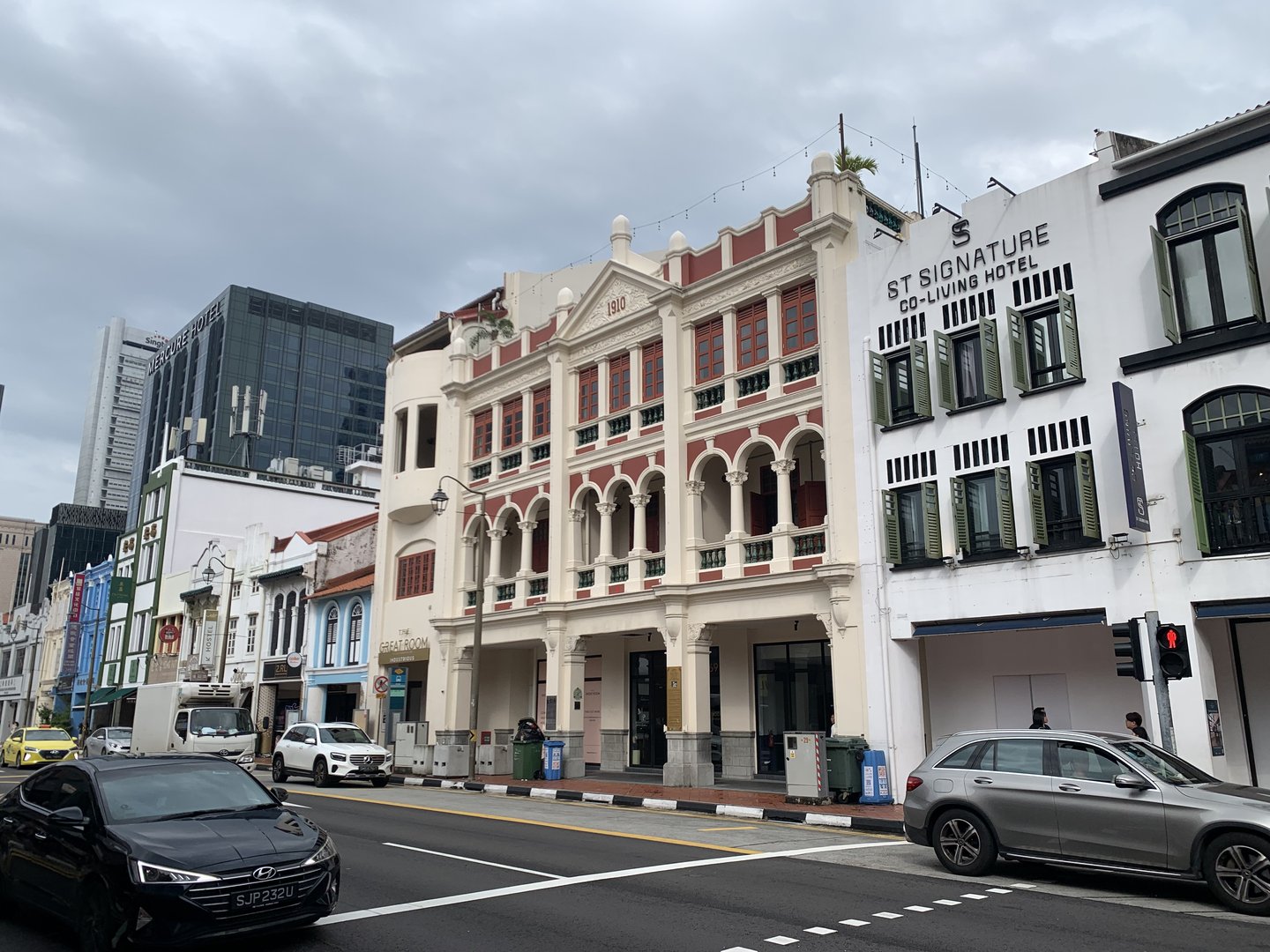
The National Heritage Board’s Chinatown Street Corner Heritage Galleries account describes the family’s expansion to Singapore, Hong Kong and southern China by the 1910s. The old South Bridge Road building is a Singapore marker in that longer story, not the founding shop.
For a business spreading across towns, making the connection visible is only half the task. Someone also has to decide which promises all the outlets are able to keep.
Make the name mean one thing before it goes on several doors
Write down what a customer at any branch ought to receive: the same basic information, reliable access to help or a product range they can recognise. Test those promises with someone who has only visited one outlet.
If a second branch can deliver only the logo, the brand hasn’t travelled yet. The next task is training or organisation, not a grander sign.