Why Donki Feels Like a Treasure Hunt, Not a Grocery List
You go in for one thing, then notice three others. Heritage’s Donki story starts with that familiar feeling. The stronger business explanation is in how the group describes its stores: convenience, discounts and amusement.
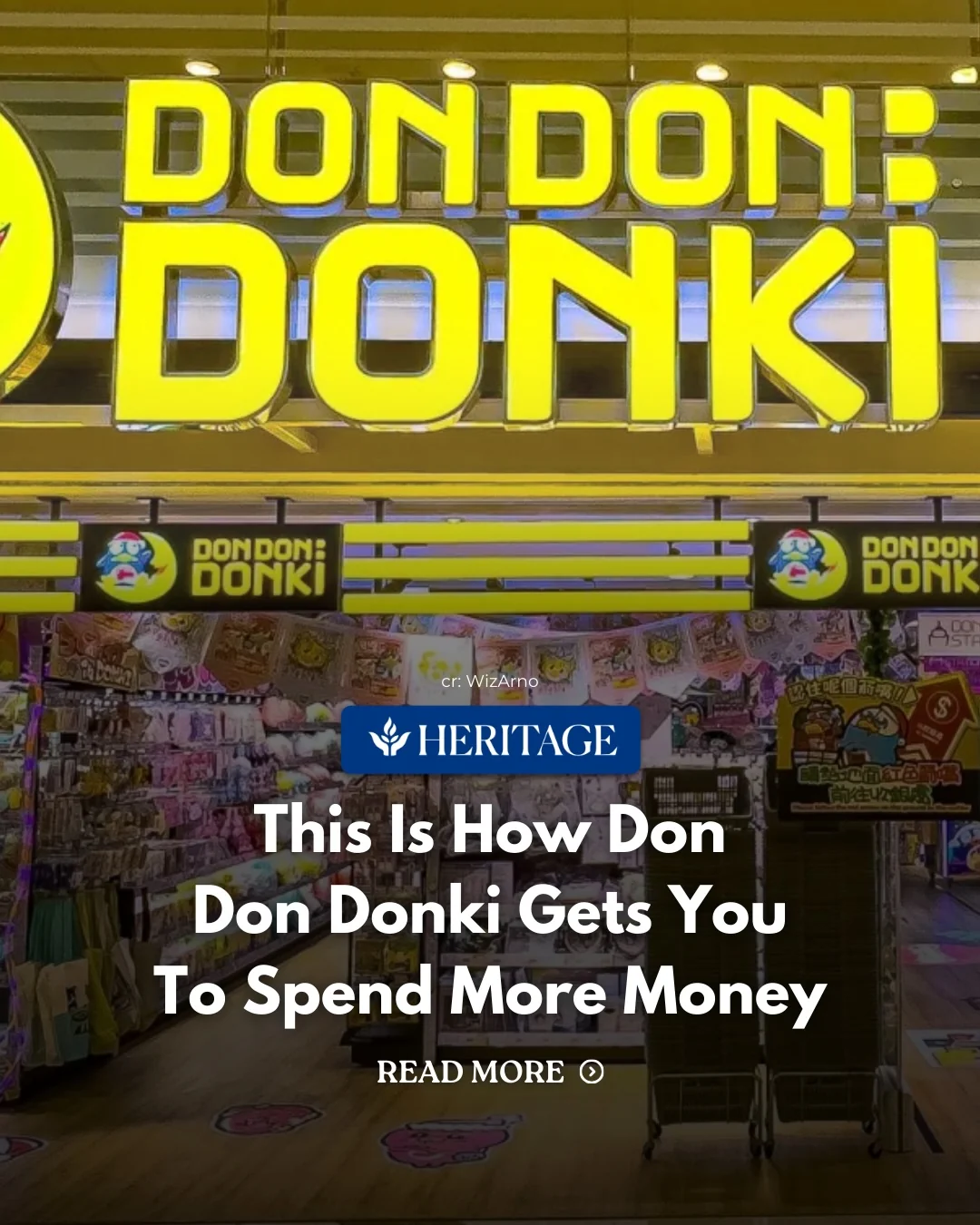
The original story, slide by slide
Original Heritage retail commentary, using an illustrative shopping trip. Claims that products are “always on sale”, a precise product count, or shoppers must follow every aisle are not verified facts about Singapore branches. The sourced explanation below separates the group’s retail model from those generalisations.
Swipe or scroll sideways to read all 18 slides in order. View the original on Instagram.
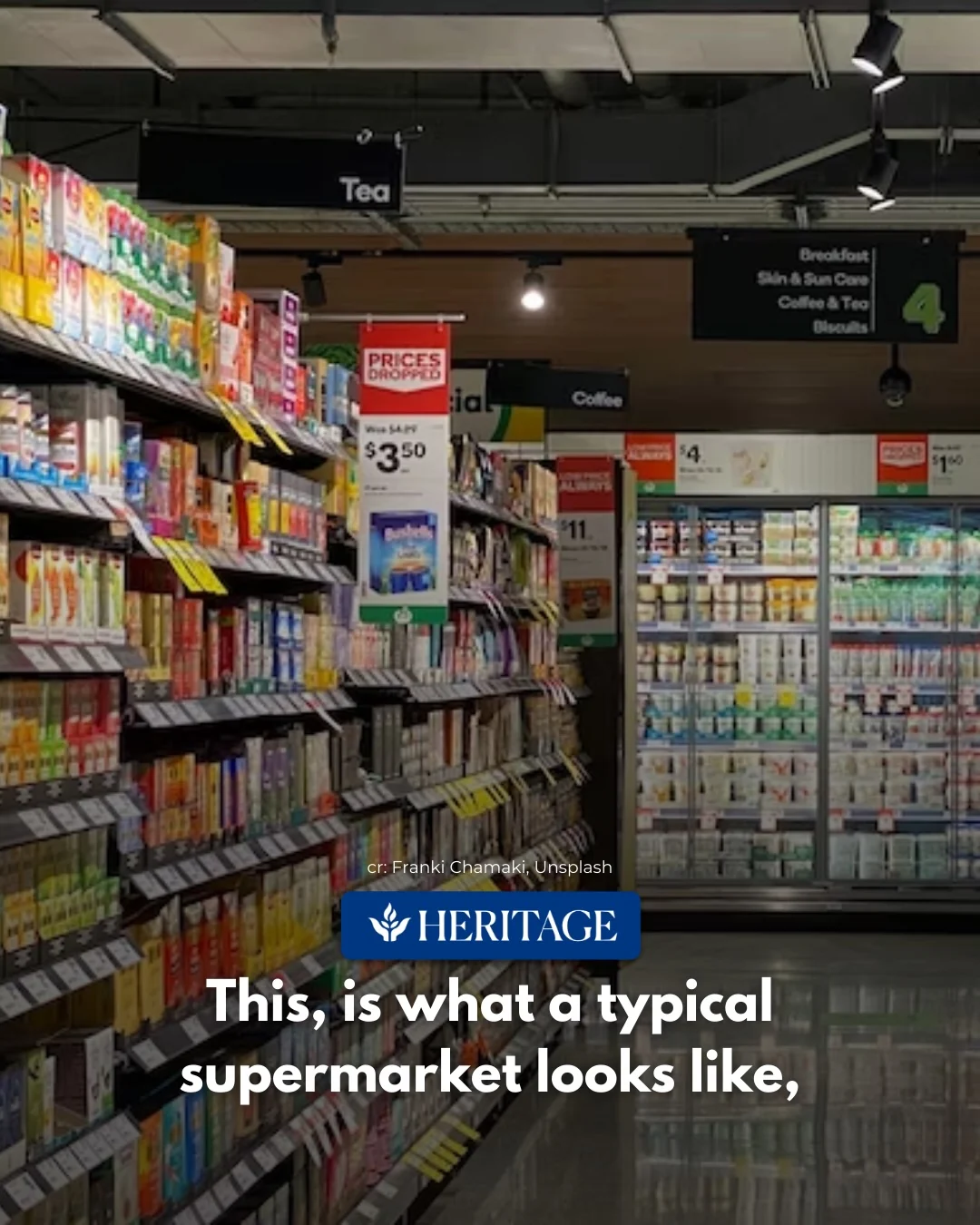
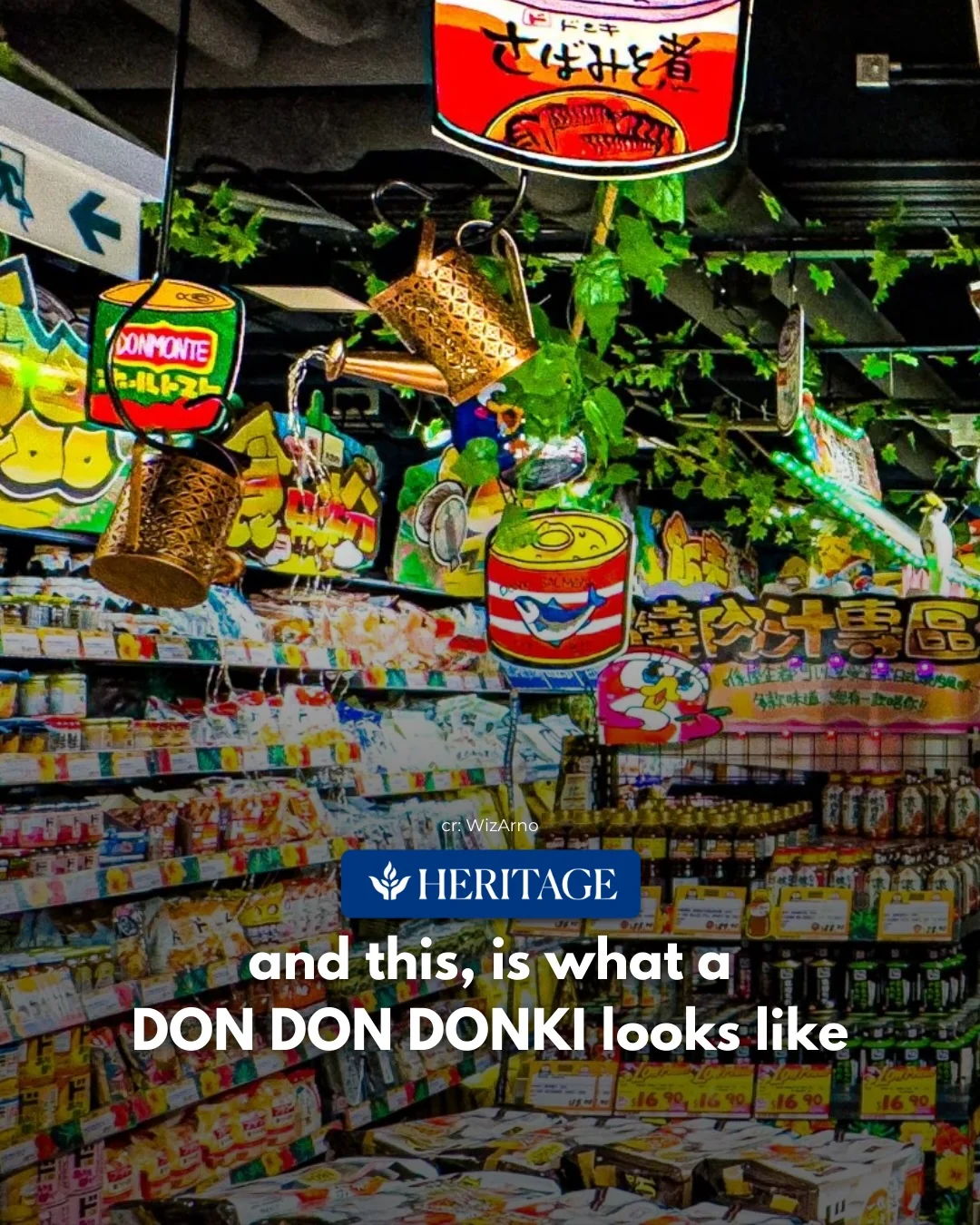

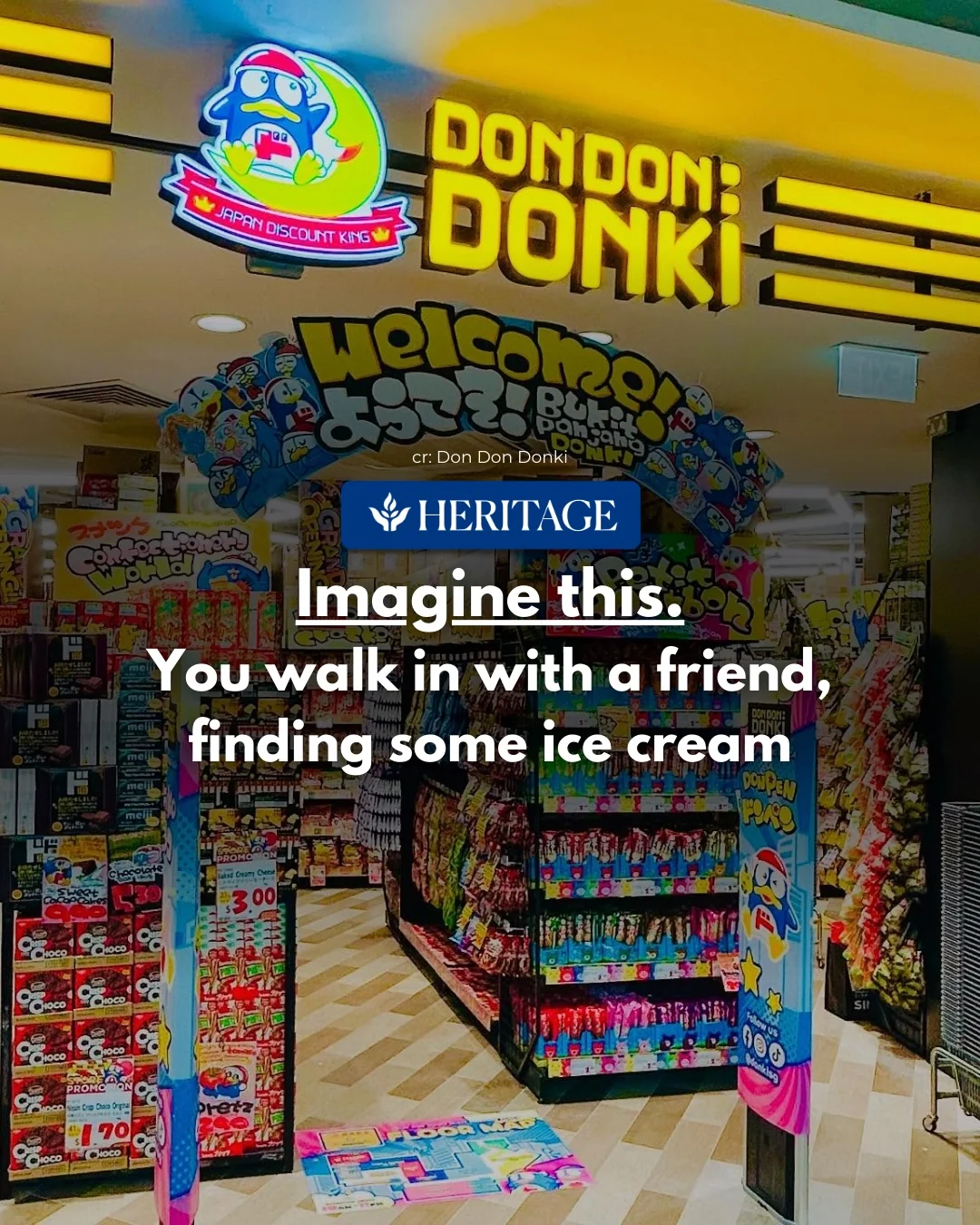
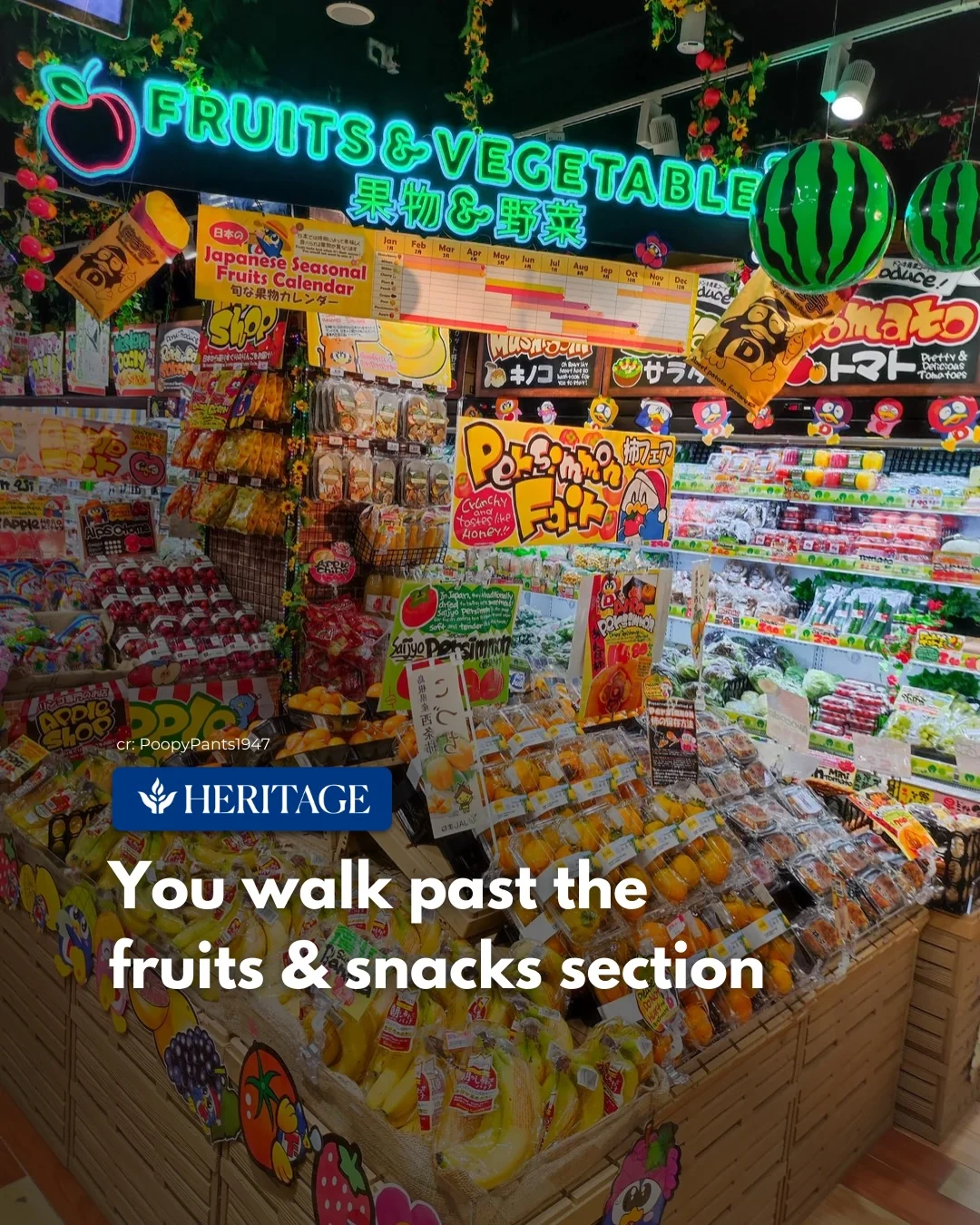
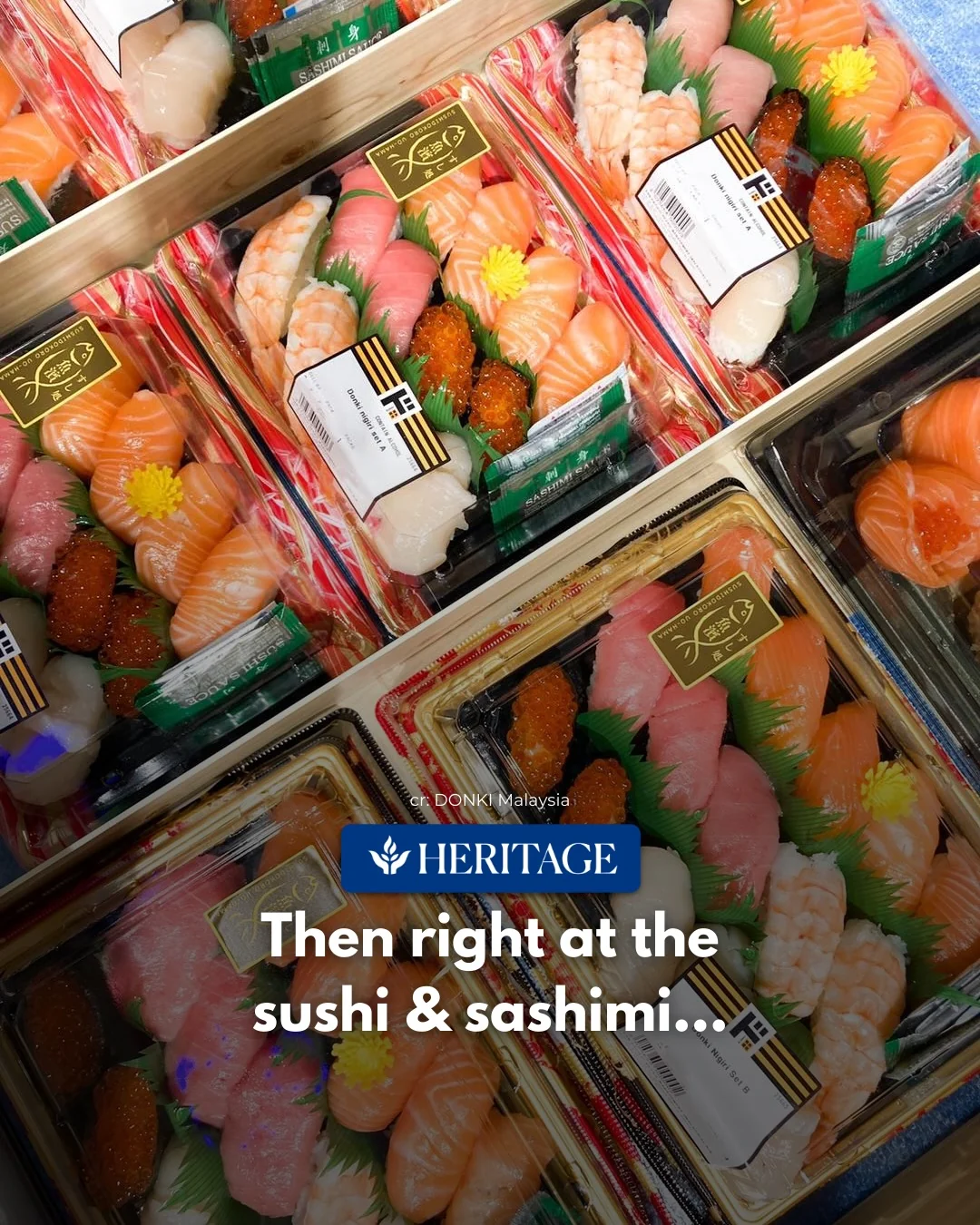



Shopping is part of the entertainment
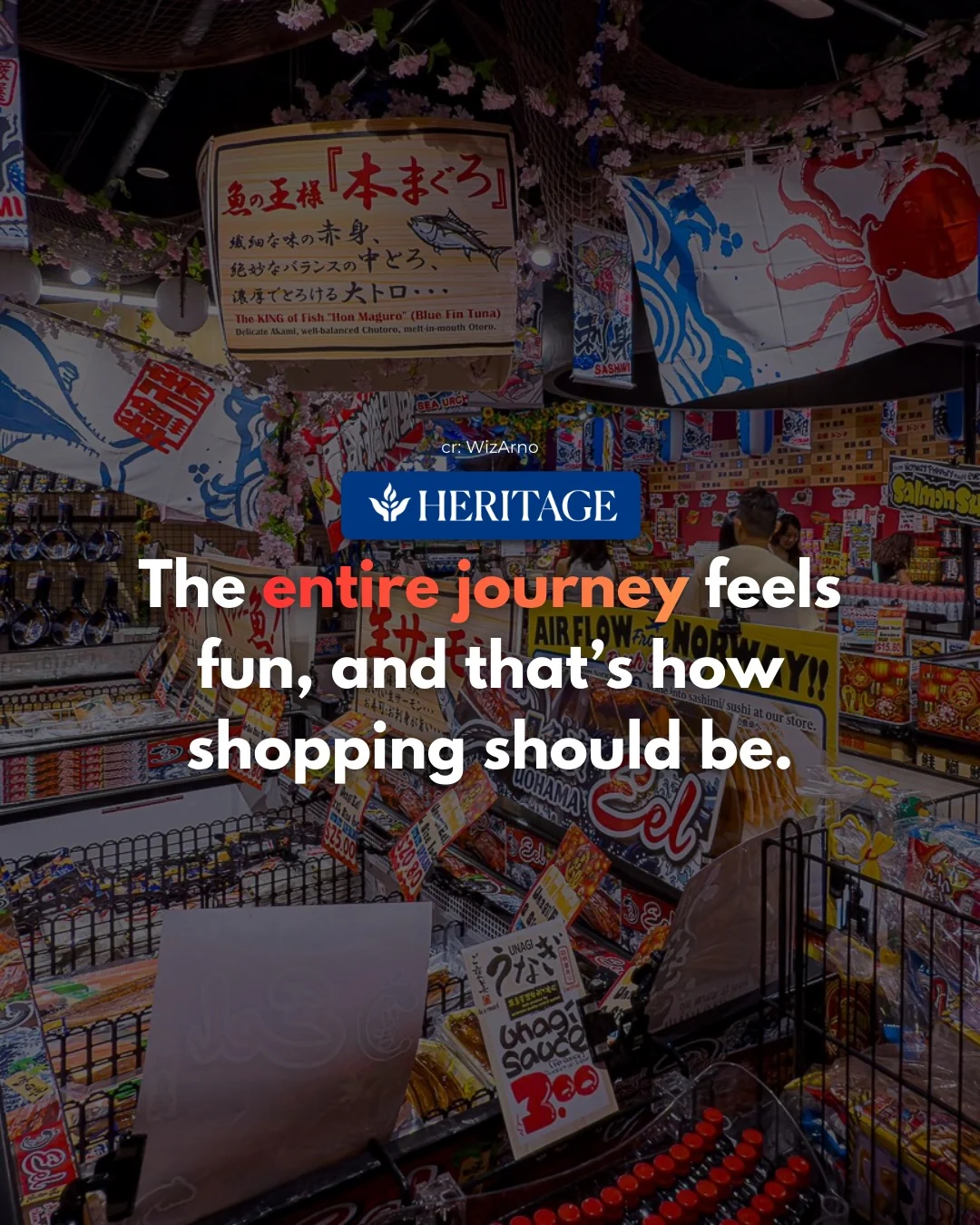
Don Quijote’s parent, Pan Pacific International Holdings, calls its model CV+D+A: convenience, discounts and amusement. Its corporate material describes tightly packed product displays as a kind of treasure hunt.
That tells us the layout is not simply an accident. Discovery is part of the offer. A customer can arrive with a shopping list and still enjoy looking around.
The signs are doing real work
The group’s annual reports explain how handwritten point-of-purchase signs help shoppers navigate dense merchandise displays. They describe an intentional arrangement, not random clutter. The presentation gives individual products a chance to be noticed.
There is a useful distinction for anyone designing a shop or website: more things on screen do not automatically create discovery. A clear reason to look at each item matters. Otherwise, it is just noise.
Do not confuse the Japanese format with every Singapore store
DON DON DONKI is the group’s Japan-brand specialty-store format for markets including Southeast Asia. A 2019 company release describes products made in Japan or designed for Japan and an emphasis on Japanese food.
The parent group’s Japanese-store examples explain its retail thinking. They do not establish the precise number of products, floor plan, opening hours or promotions at every Singapore branch. We have deliberately left those claims out.
The lesson is more useful than “the song made you buy it”
A recognisable soundtrack can be part of a brand experience. That alone does not prove it builds trust or makes shoppers spend more. Nor does one example basket establish what every shopper does.
Our takeaway: make browsing rewarding, but keep buying easy. Give people a reason to discover something new, useful information when they find it, and a straightforward way to decide whether they actually want it.