Creative Built a Talking Computer. Its Breakthrough Was the Part That Made Sound.
Creative once made a personal computer that could speak in English and Chinese. The product remembered by generations of PC gamers was smaller: a board that gave computers they already owned better sound.

The voices were inside a whole computer
Creative’s history identifies the Cubic 99 as its early talking computer and lists the multilingual, multimedia Cubic CT in its 1986 milestones. Sim Wong Hoo and his team were trying to give a personal computer capabilities beyond the display.
A feature that sounds compelling in a demonstration isn’t always a reason to replace an entire machine. For a company the size Creative then was, the PC itself was a much bigger product to sell.
The team made the feature something people could add
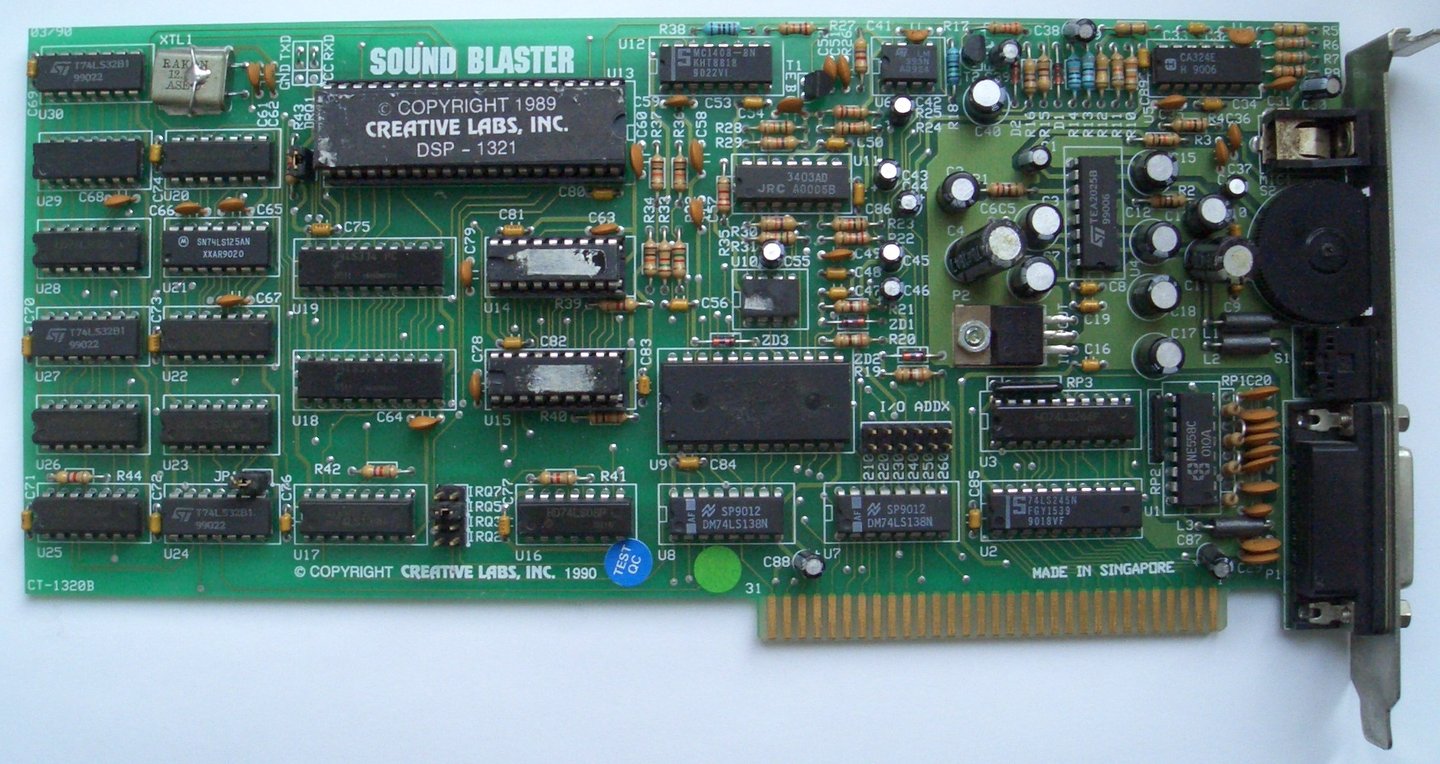
The company dates Creative Music System to 1987. Its timeline describes Game Blaster as a separate stereo sound board, and Sound Blaster followed in 1989. Creative’s official milestones also record Sim setting up Creative Labs in South San Francisco.
The transition narrowed what the customer needed to say yes to. Instead of buying a new Creative computer to get sound, a customer with a compatible PC could buy the sound card.
Selling a smaller product made the reason to buy clearer
A separate card meant the buyer could judge it on one result: what the computer sounded like after it was installed. That’s different from explaining why a complete computer is better on enough dimensions to justify a switch.
Later boards such as the AWE32 show the feature became its own product family. That is a consequence of the strategy, not proof that every standalone feature can support a company.
What could your customer buy without changing everything else?
If prospects like a demonstration but won’t switch, ask what they’d keep from their existing setup. Test the useful feature as an add-on or a narrow service that fits what they already use.
The test isn’t whether people compliment the idea. It is whether they are willing to pay to use that one part in a workflow they already have.