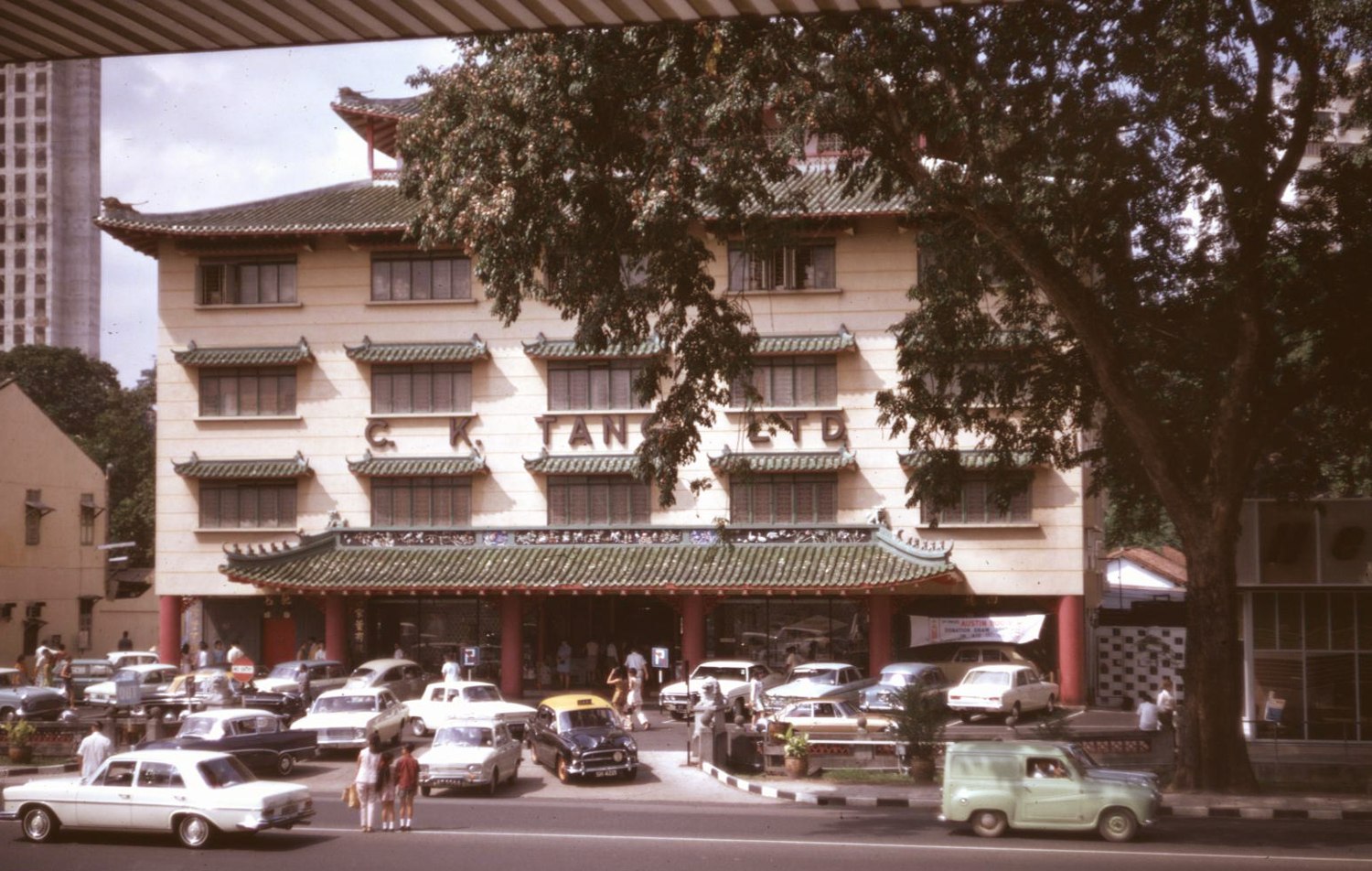
Why C.K. Tang Moved His Store to Orchard Road in 1958
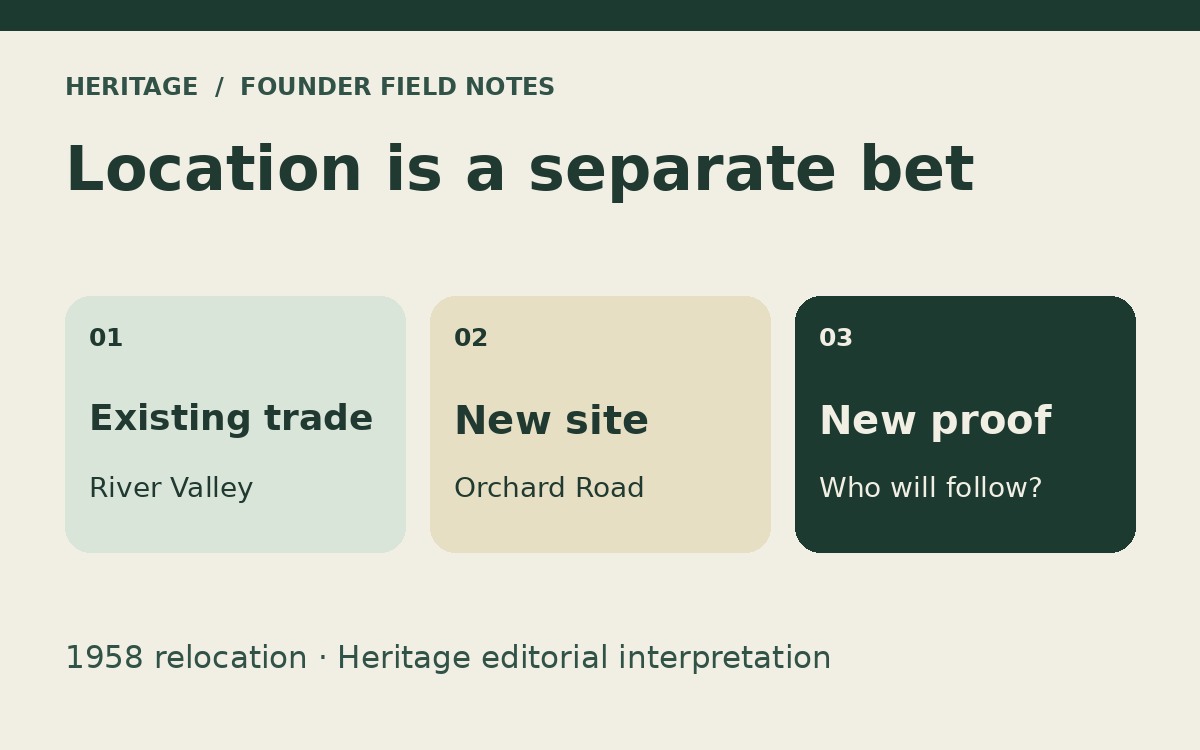
Across the road from C.K. Tang’s chosen plot was a cemetery, not a shopping strip. In 1958 he moved his business from River Valley to Orchard Road anyway. The area we know today had yet to become the address people automatically associated with shopping.

Orchard Road was the bet, not a guarantee
TANGS’ anniversary account says C.K. Tang bought land across from a graveyard. The National Library Board’s Orchard history places the move in 1958 and describes the business coming from a modest River Valley shophouse. What looks obvious today was not obvious from the street then.
A new address changes the question
Taking a less established location is different from having no existing trade. Tang was bringing an operating retail business to a new address, not opening his first store on the plot. The sources do not establish his exact opening-day till take or the share of River Valley customers who followed him.
It would be a mistake to turn later growth on Orchard Road into a rule that a quiet site must be an opportunity. The useful distinction is between what the business already knew how to sell and what the move still had to prove.
Before signing: watch the street, not just the listing
An owner looking at an inconvenient unit can count relevant passers-by across the intended dayparts, walk it from the transport stop and write down the minimum weekly sales the unit needs. Those observations reveal more than a landlord’s undifferentiated footfall count.
Use a second test for any supposedly strategic location: what brings a suitable customer to the door on a regular Tuesday? If the answer only works after several other things change, put that dependency in the decision.