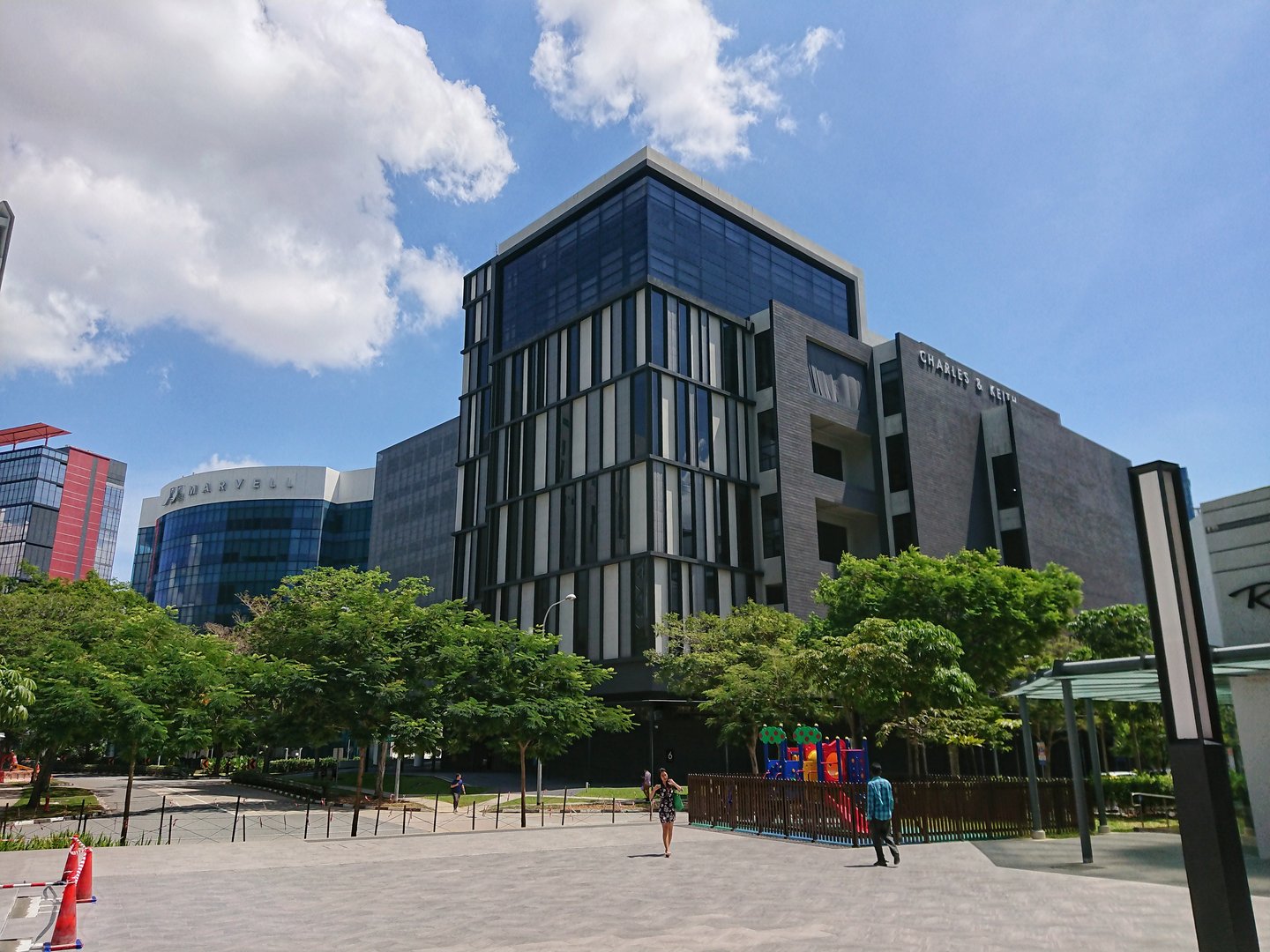
Charles & Keith Started Selling Shoes. Then the Brothers Decided to Design Them.
Charles and Keith Wong had already learnt how to sell shoes in their parents’ Ang Mo Kio shop before opening their own store. What eventually made their label different wasn’t simply opening a second kind of shoe shop. It was choosing to decide what went on the shelves.
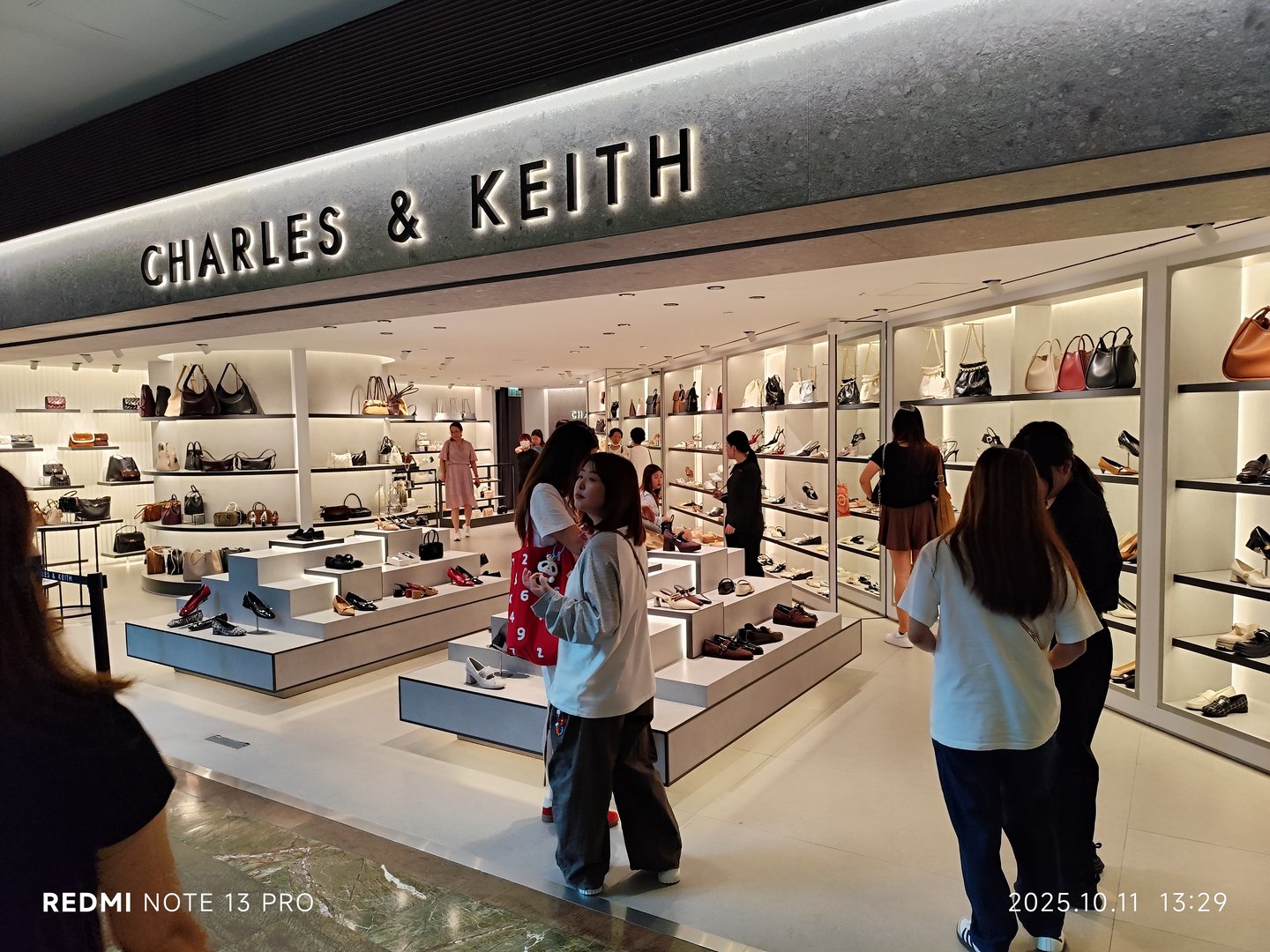

First, learn the customer across the counter
The brothers helped with their parents’ footwear shop in Ang Mo Kio. The company dates the founding of their own label to 1996 and places the first retail outlet in Amara Shopping Centre.
Those early shops offered a kind of feedback a catalogue can’t: what people try on, put back, ask for in another size or wish was available in a different style.
Designing the range changed the job
The company describes an early decision to design its own products and use direct customer feedback to refine the range. That made an owner’s job bigger: design choices now had to be made before the next customer walked in.
It also meant the business didn’t have to wait for other labels to produce the exact thing its shoppers were requesting. The advantage was control over a specific customer problem, not just the presence of a label.
The decision travelled beyond one store
The company’s timeline lists Taman Anggrek in Jakarta as its first store outside Singapore. The retail expansion doesn’t reveal the commercial performance of any particular shop, but it shows that the in-house brand could be carried into another market.
For a retailer, that’s a different proposition from opening another outlet to sell the same brands everyone else can get. It puts more pressure on the team to choose well, and gives customers a clearer reason to look for the brand by name.
Test a gap before designing a full collection
A small retailer can start with one issue that surfaces repeatedly: an unavailable size, a shape that doesn’t fit or a material that wears out too soon. Put a limited run in front of the people who asked for it, and track whether they buy and return it.
If the same problem comes up every week, it is worth designing around. The signal is stronger than a general feeling that the store needs more styles.