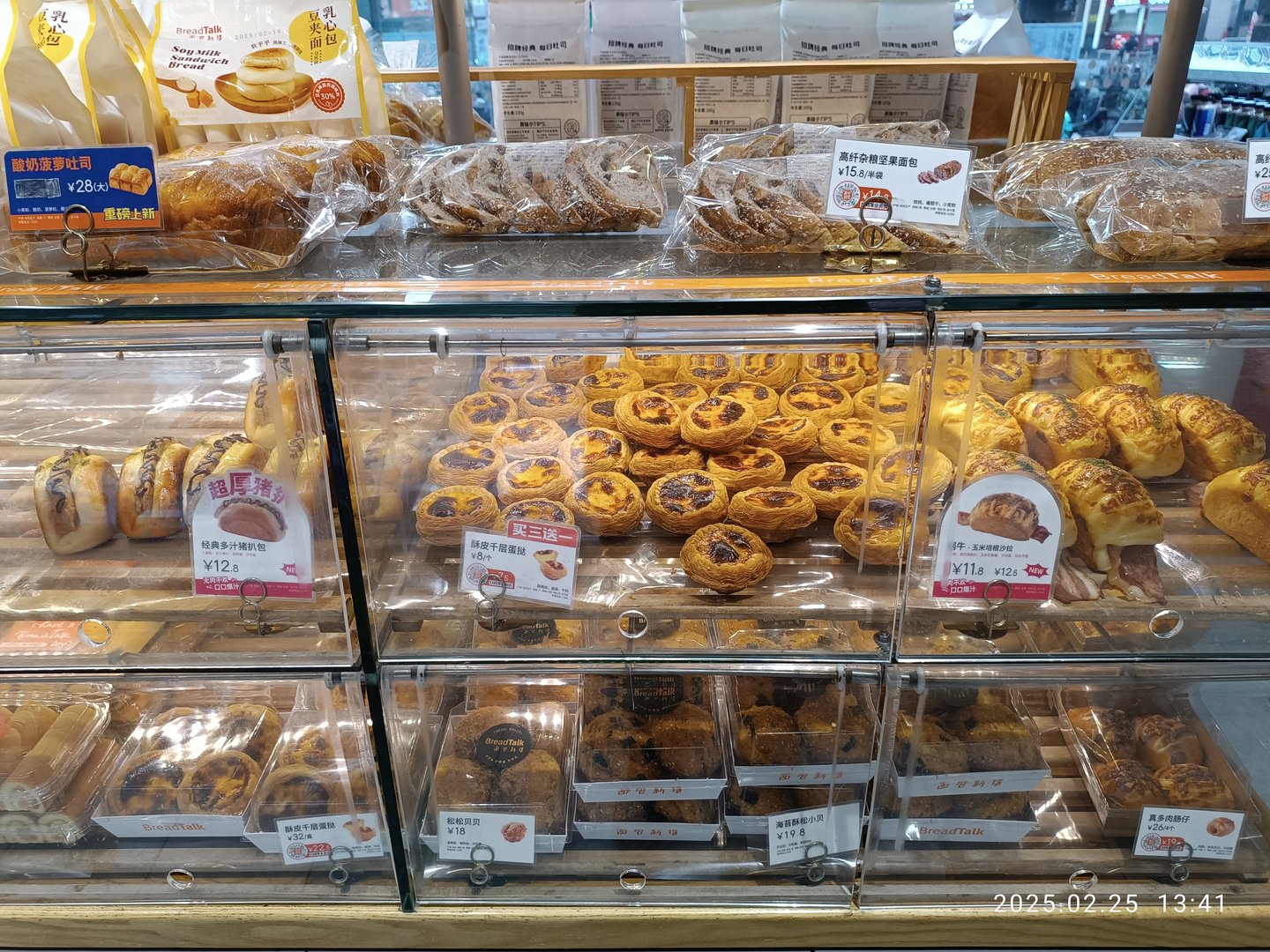
What BreadTalk’s First Outlet Had That Another Bakery Didn’t: the Flosss Bun
“A bread boutique” sounds different, but it doesn’t tell a first-time shopper what to pick up. When BreadTalk opened in Bugis Junction in 2000, it had an answer that fit in one hand: a bun covered in floss.


The first store made the idea easy to try
BreadTalk Group dates its first outlet to July 2000 at Bugis Junction and places its signature Flosss bun in the same launch story. It says the bun drew queues, although the group’s timeline doesn’t give a queue count or sales figure.
BreadTalk describes the format as a bread boutique, taking cues from how people browse a fashion shop. That was an idea about the whole visit. The bun turned it into a clear thing to tell someone else to try.
A signature item does not have to be the whole menu
The first-time customer can buy the item they heard about, then decide whether the rest of the range interests them. That makes one recognisable item useful even if it isn’t the only reason people return.
It also makes the product harder to substitute when the business grows. If someone asks for the signature bun and finds a different texture at each outlet, they notice the difference more than they would on a product they had never heard of.
When the format grew, so did the work behind the counter
BreadTalk’s chronology records an overseas outlet in Jakarta after the Singapore launch. Its current company history describes pastes and fillings being prepared in a central kitchen.
The story isn’t that one bun did all the work. It was a point of entry for shoppers; the company still had to do the less visible work of making a range customers could recognise as it expanded.
Pick the thing someone can recommend without an explanation
A bakery or stall taking over a new unit could start with one item a regular can name without looking at the menu. Make it easy to spot and keep it available when new customers are most likely to visit.
Then check what buyers do on their second visit. The signature item has done more than win attention if customers return for it or use the first purchase as a reason to try something else.