When Selling Cakes From Home Had to Stop, Bengawan Solo Opened a Shop
Before shoppers picked up Bengawan Solo cakes at Changi, Anastasia Tjendri-Liew baked in a Marine Terrace flat. Orders were coming in. Then she was told she couldn’t keep supplying shops from her home kitchen.
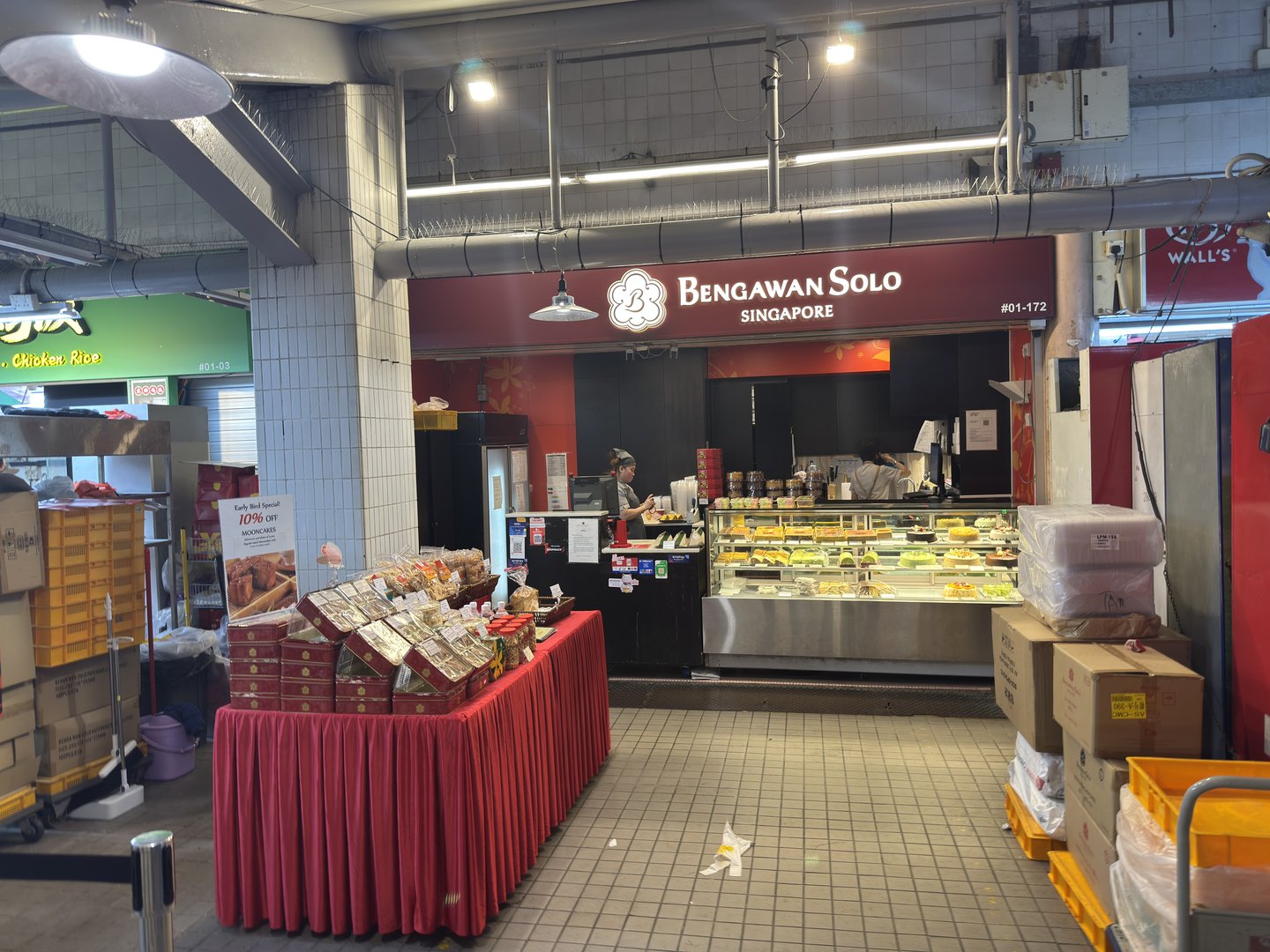

Demand came before the shop
Tjendri-Liew started by baking for people she knew. Singapore Infopedia’s profile describes how her cakes found their way onto shop shelves even though she didn’t have a food manufacturing licence. In 1979, health officials told her to stop supplying stores from home.
The setback didn’t mean people had stopped wanting the cakes. It meant the way she was making and selling them could no longer support the business she was building.
She moved around the corner, not across the island
Bengawan Solo dates its first shop to 1979, in Marine Terrace. Opening near home meant the first store was still in the neighbourhood where the business started. It also put a shop counter between the original home kitchen and the people who had been buying from it.
The change was bigger than a signboard. It gave the business a new place to produce the cakes and kueh, and a regular place for customers to find them.
The next bottleneck was the kitchen again
The company’s timeline lists a central kitchen at Harvey Road in 1987. It records another move in 1997, when the Harvey Road kitchen and a smaller production site could no longer keep up with a network of about 18 stores. Bengawan Solo consolidated production in Woodlands.
The repeated part of the story is not simply “open more shops”. It is that every time the business grew beyond how the food was being made, the place and process behind the counter had to change.
The useful question: what breaks if demand doubles?
For a home baker or stall owner, more orders can make a hidden problem obvious. Try writing down one busy day from ingredient delivery to customer pickup. Which step needs the founder, which step runs out of room, and which step loses quality when it is rushed?
Fix the tightest part first. A bigger shop can give a business more space, but it won’t fix a process the team hasn’t yet learnt to repeat.