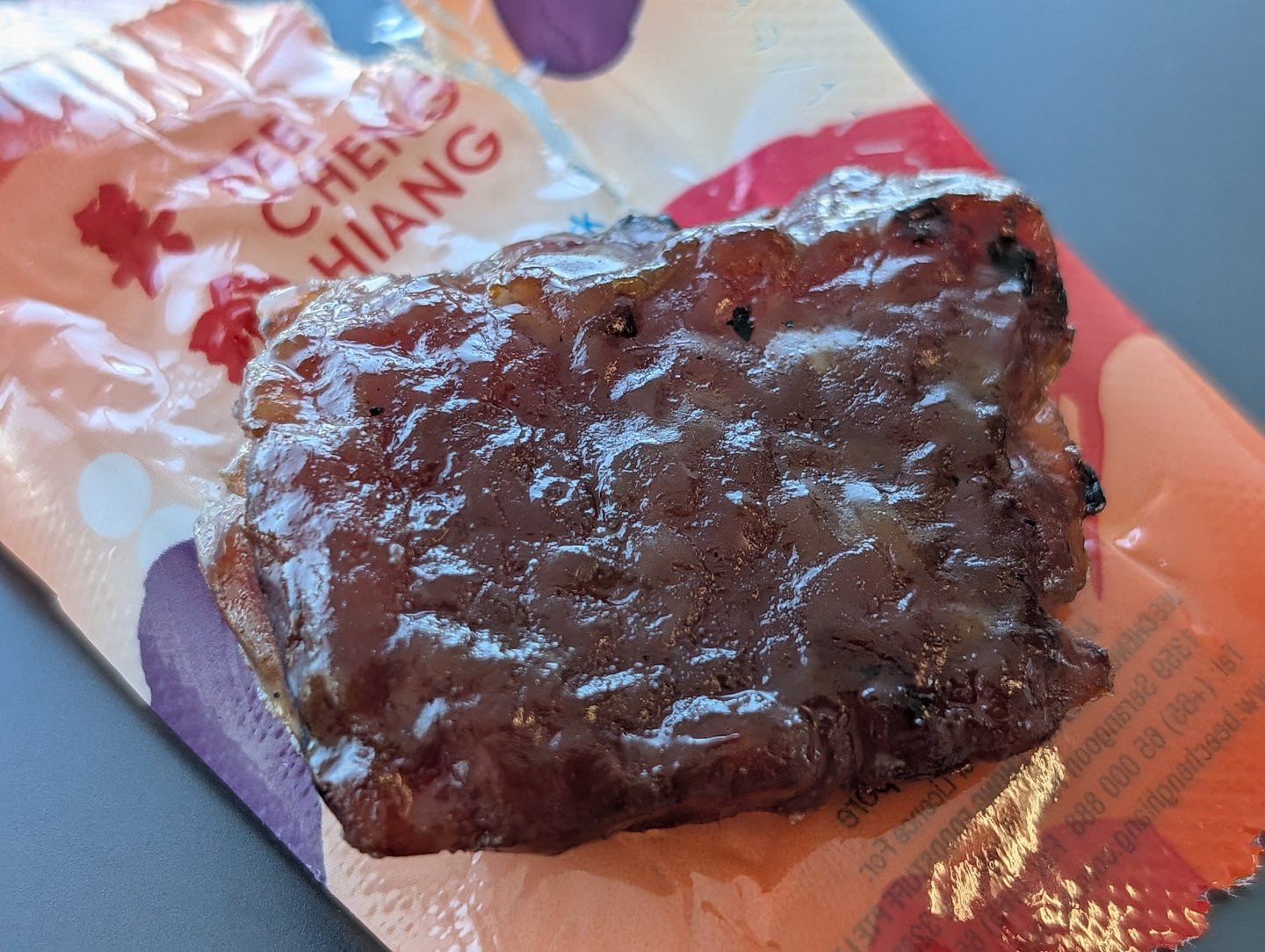
Bee Cheng Hiang Started on the Street. Why Did It Put the Grill Back on Show?
At a shop selling bakkwa in sealed packs, customers don’t have to see how it’s made. Bee Cheng Hiang’s Grillery went the other way. It brought cooking back into the experience, an echo of a much older way to sell the same product.
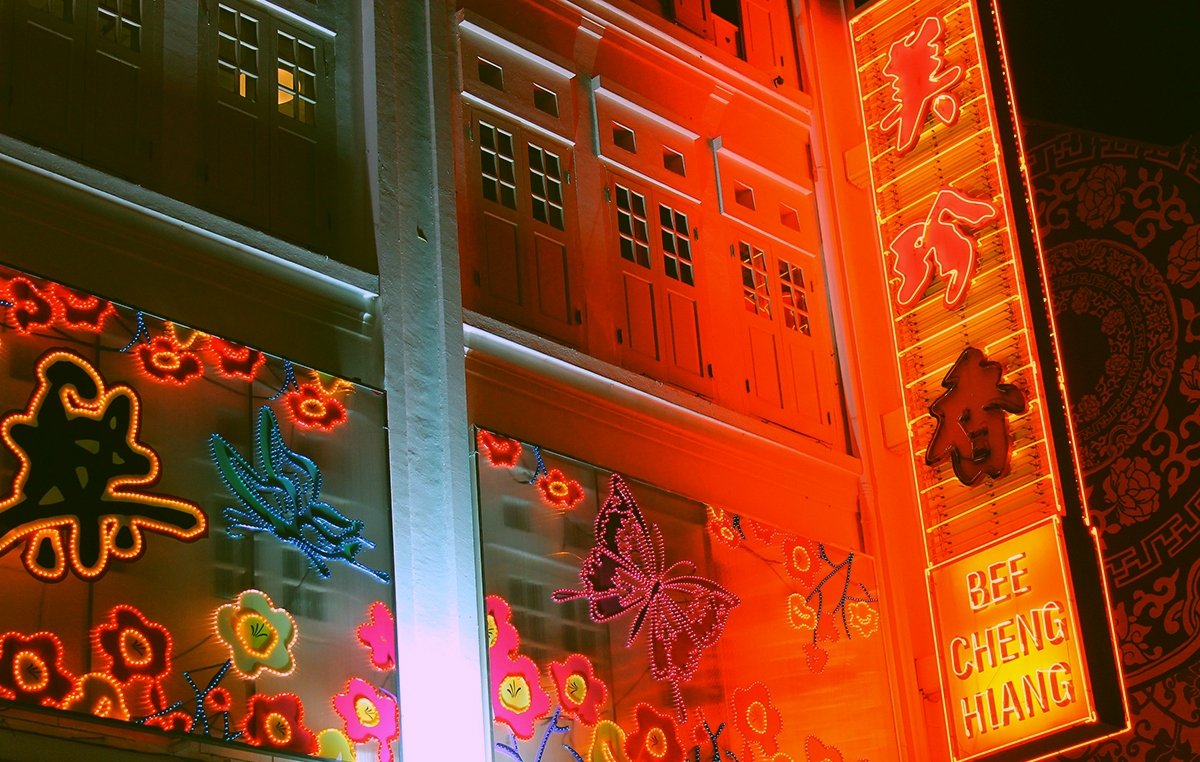

Before there was a shop, there was a hawker
Bee Cheng Hiang’s history dates the business to 1933, when founder Teo Swee Ee sold barbecued meat around Chinatown. The company recalls stronger demand during festive periods.
On the street, the grilling and selling belonged to the same experience. A retail pack could carry the product much farther, but it couldn’t give someone the same direct look at how it was prepared.
Packaging solved one problem and created another
A shop full of packed gifts fits the way people buy festive food to bring elsewhere. It also means two products on a shelf can begin to look alike to someone who hasn’t tried either.
When the making is part of what sets the product apart, the business has to decide how much of that work the customer will actually see. A bigger label and a longer list of claims aren’t the only answers.
The flagship gave the grill a role again
Bee Cheng Hiang describes the Grillery as a development of its Singapore flagship where people can shop and dine. Its own press roundup describes a concept that combined a bistro, a wine cellar and a barbecue theatre.
That doesn’t show that a theatre lifts sales. It does show a decision about the role of a physical shop: give visitors something they can’t get from the same pack online.
Show the one step that answers a real question
For a small maker, start with one step people already ask about: how the meat is grilled, why a loaf sits overnight or what makes a sauce taste different. Show the actual process and let customers ask a question.
The test is whether they leave better able to explain what they bought, not whether the shop has room for a stage.