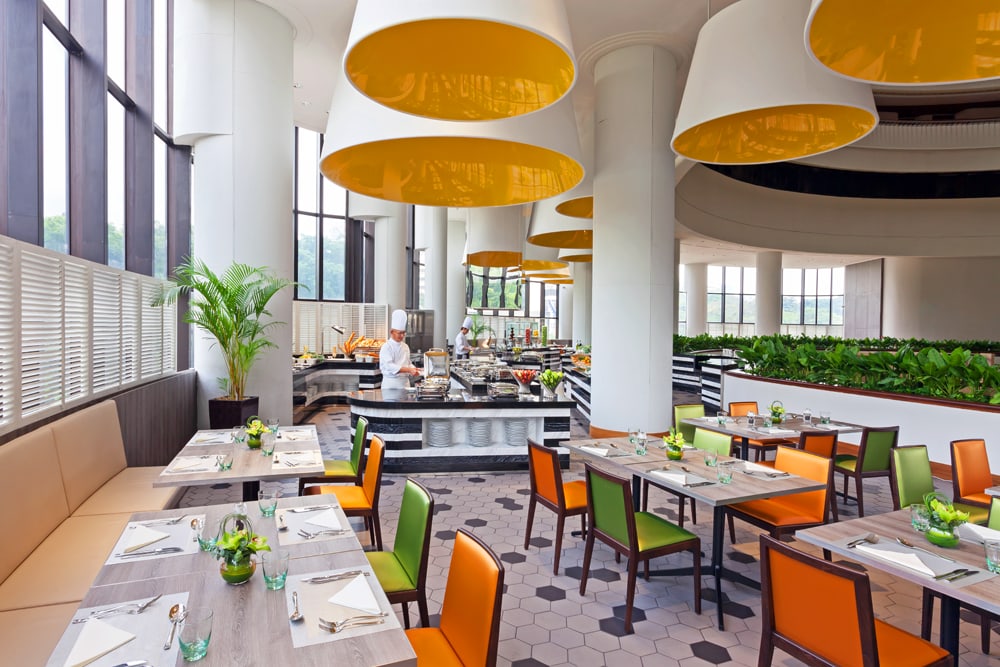
Mini Buffet or Full Catering? Pick for Your Actual Guest Count
Feeding 15 people does not automatically mean booking a buffet for 25. Start with the guests who will actually eat, then choose the setup. A mini buffet can suit a home gathering; a full buffet buys you the serving arrangement as well as the food.
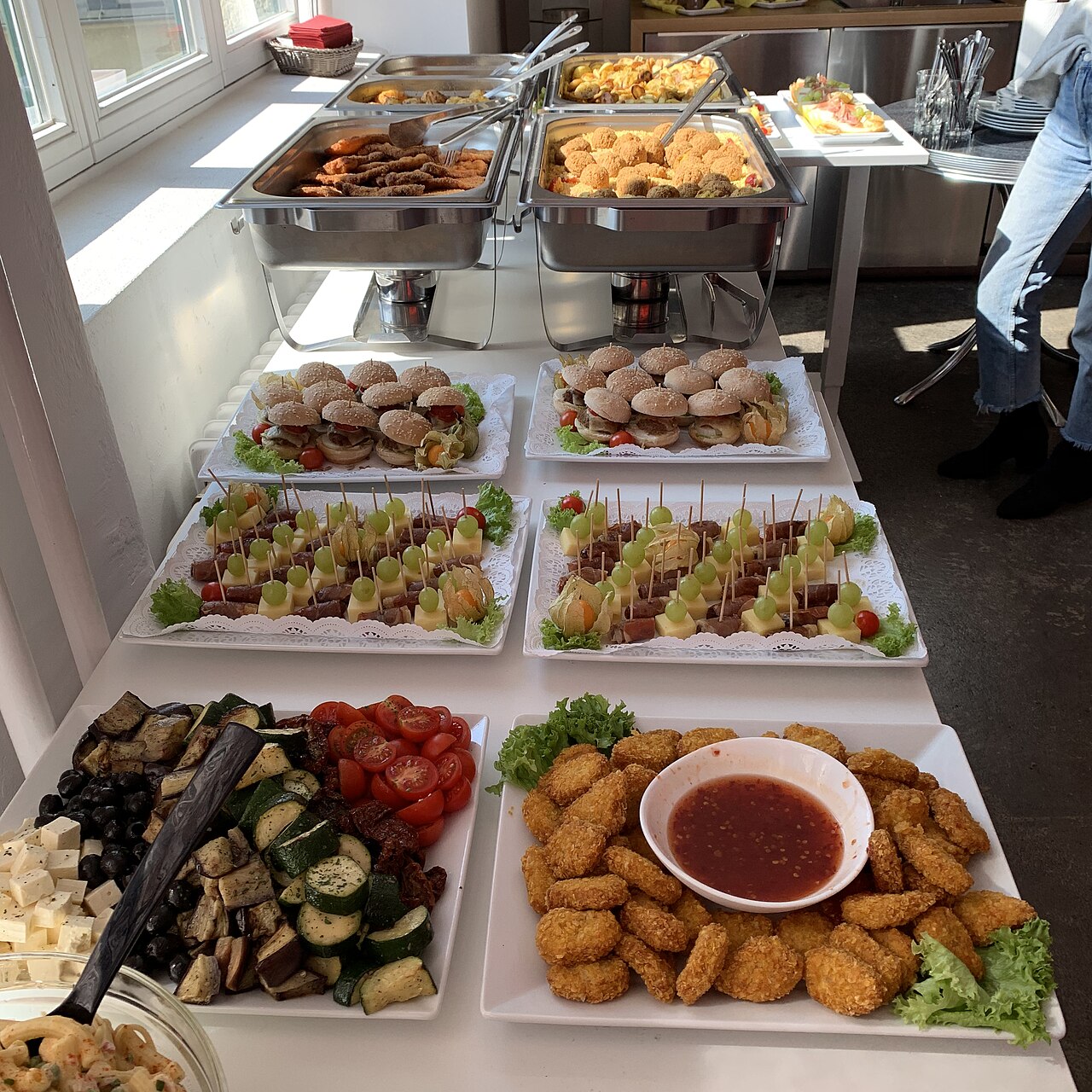
Photo: AnHin
Mini buffet: shared food, less equipment
Elsie’s mini-party range is aimed at groups of 15 or more and uses self-heating packaging rather than a full buffet setup. That is a useful middle ground between individual takeaway boxes and a row of catering tables.
Choose it when everyone is eating together and you already have somewhere to put the dishes. Before selecting a menu, measure that surface: trays, plates and a queue need more room than the food alone. Self-heating packaging does not mean unlimited serving time.
Full buffet: compare the minimum order, not just the headline
Elsie’s buffet range advertises prices from S$13.90 per person, groups from 25 guests and buffet setup. Those are range-level starting points, not a promise that every package combines that price and minimum.
Ask for one total covering your chosen menu, its minimum order, GST, transport and any venue-access or equipment charges. Divide that total by the number of people actually coming. For example, a hypothetical S$500 order shared by 20 guests costs S$25 each, even if the package was sold as food for 25.
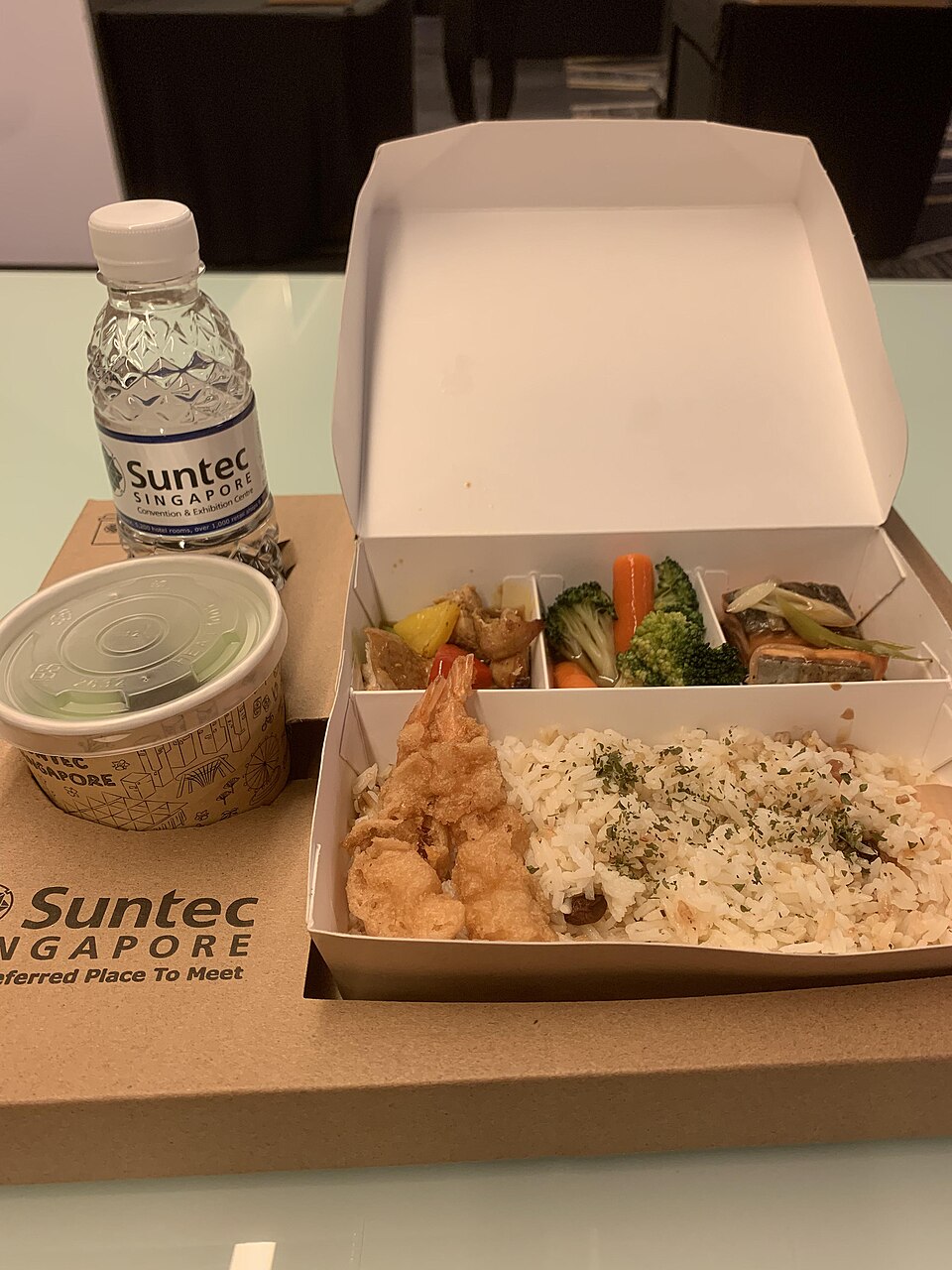
Bentos make more sense when people eat separately
For a briefing, workshop or staggered team lunch, individual boxes remove the serving queue and make the meal allocation obvious. They also let you label a separately ordered vegetarian meal instead of expecting one guest to assemble lunch from the sides.
For a social gathering where sharing is the point, mini-buffet trays are the more natural fit. A full buffet becomes more compelling when you want the caterer to handle the serving setup and can meet the minimum without buying lots of unwanted portions.
Put the meal time on the plan, not just the delivery time
Elsie’s FAQ says to consume its delivered food within two hours of arrival: preparation, packing and transport already use part of the food’s time window. Follow the actual consume-by label; do not start a new four-hour clock when the driver arrives.
Work backwards from when guests will eat. Confirm delivery and setup timing, and for a full buffet confirm equipment collection too. The useful final question is simple: can this format feed your actual group comfortably, within the serving window, for the quoted total?
Photo credits
AnHin (CC BY-SA 4.0) · NYAA Council (CC BY-SA 4.0). Archive photographs shown without content edits; not endorsements or current menu photographs.