Home-Based Food Businesses In Singapore: How They Work
24 June 2026 · From our Instagram
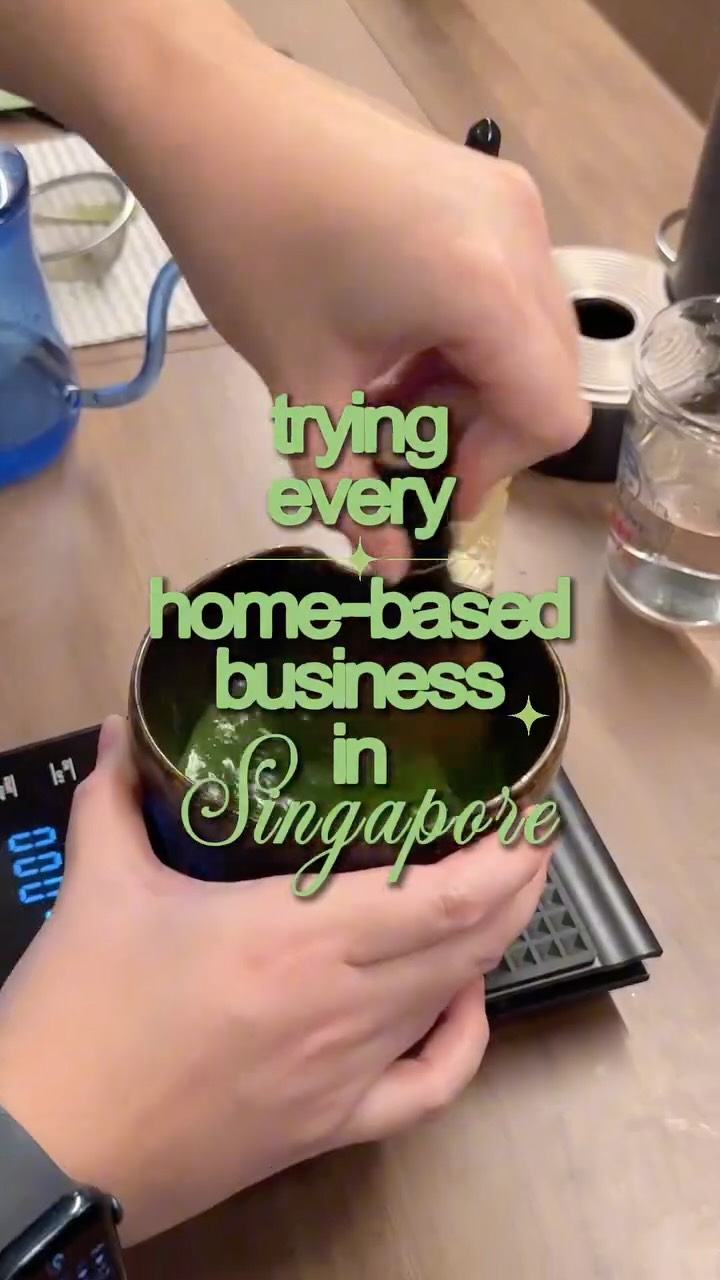
Home-based food businesses in Singapore do not need a licence from the Singapore Food Agency. They run under the Home-Based Business Scheme recognised by HDB, URA and SFA, and the trade-off is a hard set of limits: sell direct to individuals only, no catering, and no hired help from outside your household.
No SFA licence, no application fee. That surprises people, and it is genuinely how the scheme works because the operation is small by design. What you give up:
No catering. You cannot take catering jobs and you should not sell to cafes, restaurants or other retail businesses. Your food goes to individual customers. No outside employees. Family living under the same roof can help. Anyone else cannot. Food safety still applies. SFA still regulates you. Clean kitchen, ingredients stored properly, no risk to the person eating it. Your landlord matters. HDB flat or private property, you are also under HDB or URA rules for running anything from home.
That is the whole frame. It is designed so somebody can test an idea from their kitchen without a commercial lease, and it stops the moment the operation stops being small.
Why so many of them are good
Because the format rewards one thing done well. A home kitchen cannot run a 40-item menu, so the ones that survive usually make three things and make them properly. Batch sizes are small, so what you get was made this week and not held in a chiller for a fortnight.
It also means the failure mode is different. A bad home-based business is not usually bad food, it is bad logistics: collection times that move, orders that go quiet, a slot that vanishes. Judge them on whether they answer messages before you judge the food.
We eat our way through these on Instagram and the pattern holds. The ones worth reordering from told you a pickup window and stuck to it.
How to order from one without getting burnt
Pay attention to how they handle collection. Most operate on pre-order with a set pickup slot at a home address or a nearby MRT, and the good ones tell you the exact block and time before you pay.
Ask what is in it if you have an allergy. Home-based sellers are not required to carry the labelling a packaged retail product does, so the answer comes from them, not the pack.
Good to know
· Pre-order windows are real. Home kitchens batch cook, so a late order means next week, not tonight.
· Confirm the collection point before paying. Vague pickup arrangements are the single most common problem.
· If a seller offers catering or wholesale, they are outside the home-based scheme rules and should hold a proper licence.
FAQs
Do you need an SFA licence for a home-based food business in Singapore?
No. Home-based food businesses are small-scale and do not require a food licence from the Singapore Food Agency. They still have to meet food safety requirements.
Can a home-based food business in Singapore do catering?
No. Catering is not allowed under the scheme, and you should not sell to cafes, restaurants or other retail businesses. Sales go direct to individual customers.
Can you hire staff for a home-based food business?
Only people living in the same household. You cannot hire outside employees to help.
Is a home-based food business allowed in an HDB flat?
Yes, under the Home-Based Business Scheme, but you also have to follow HDB's own rules for running a business from your flat. Private properties fall under URA rules instead.
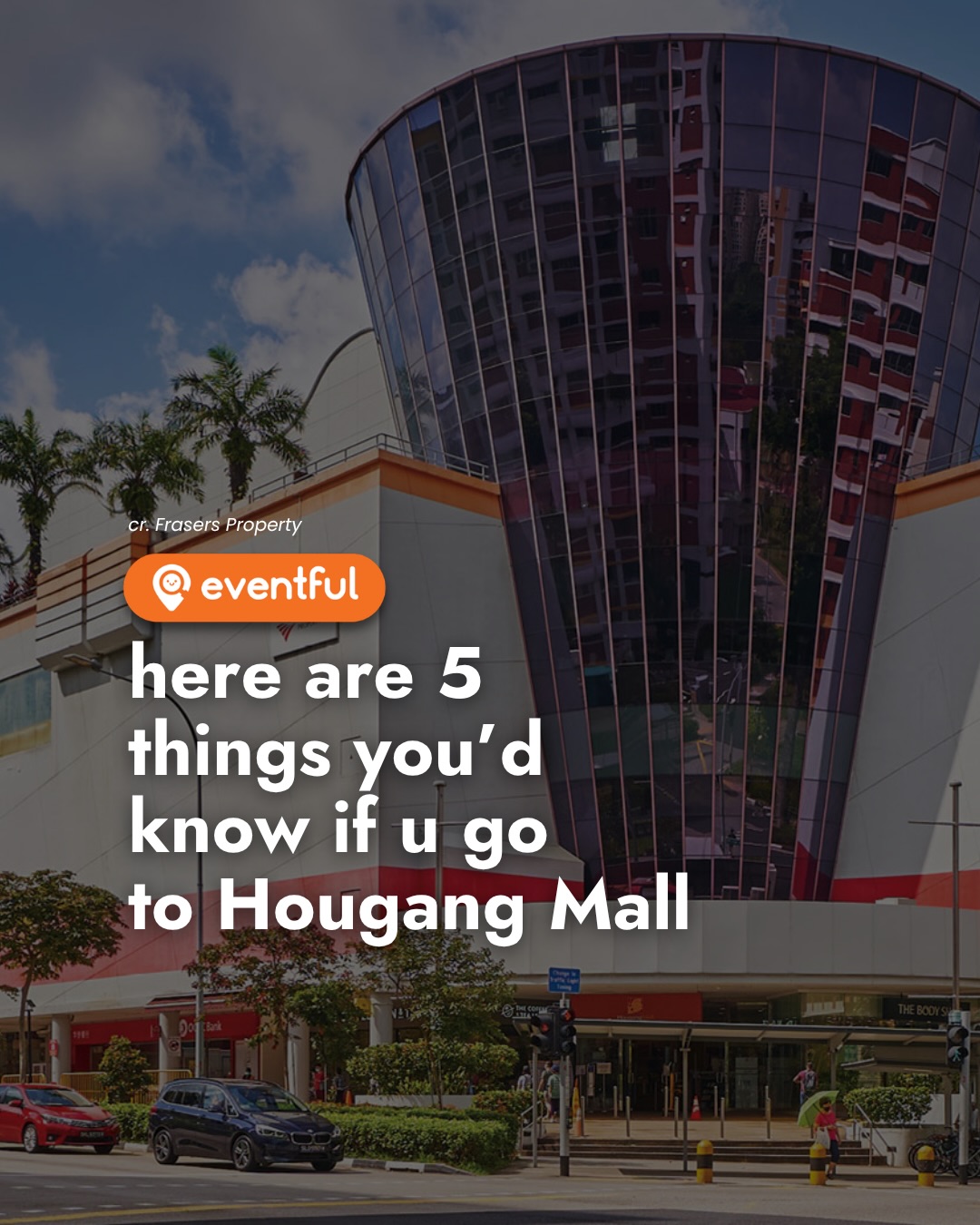 5 Things You'd Know If You Go to Hougang Mall (Escalators Included)14 October 2026
 This Initial Owes You a Meal: The Makan Pets A to T Share Post12 October 2026
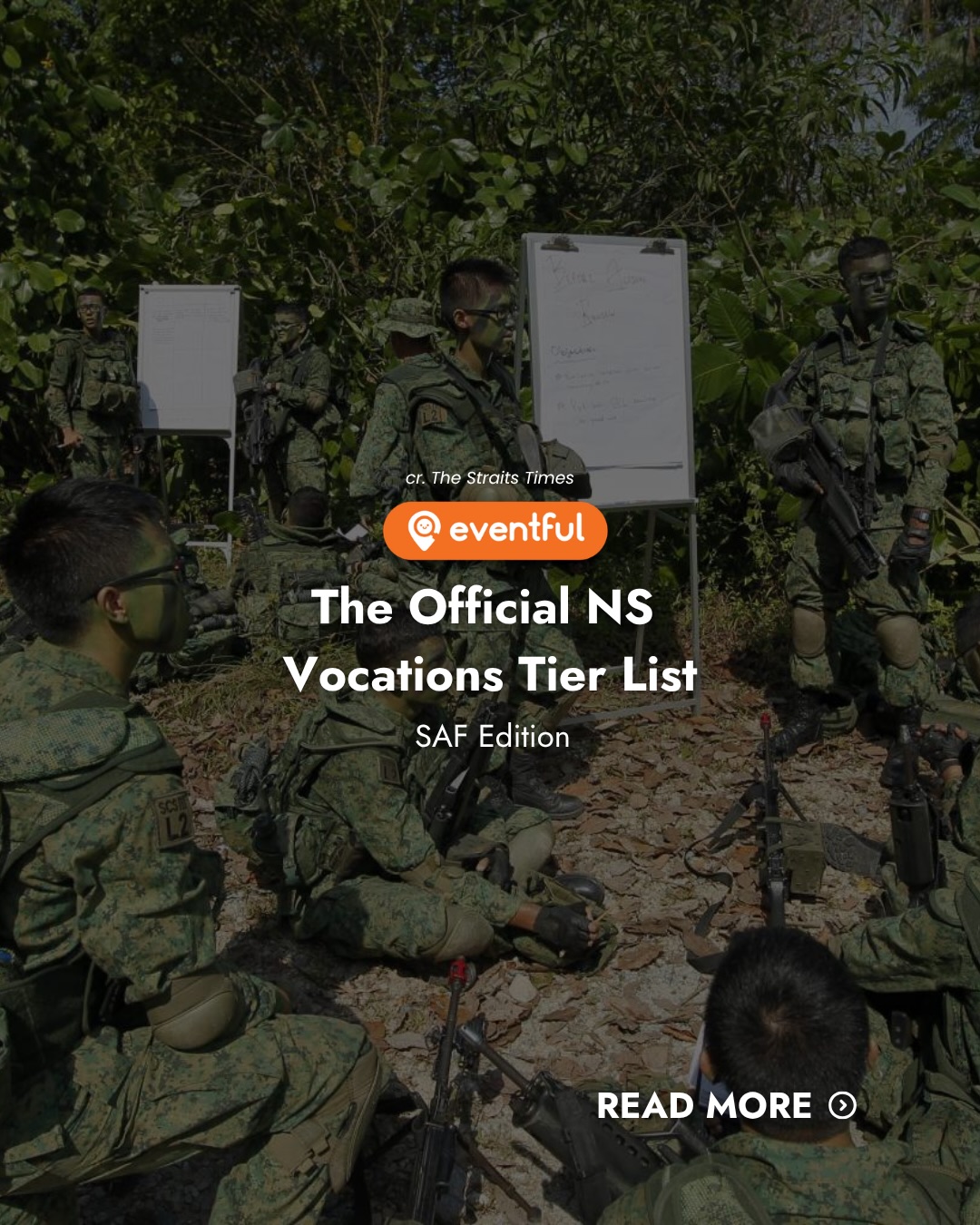 The Official NS Vocations Tier List (SAF Edition)9 October 2026
This story started as a post on our Instagram@eventful_sg on Instagram
→
The Official NS Vocations Tier List (SAF Edition)9 October 2026
This story started as a post on our Instagram@eventful_sg on Instagram
→