What to Look For at Changi Chapel and Museum, Beyond the Chapel
Changi Chapel and Museum makes the occupation years personal: daily life, separation, and the things prisoners and civilians made or held on to. Don’t stop after photographing the outside. Give yourself time for the galleries and use the chapel as a quiet pause rather than the whole visit.
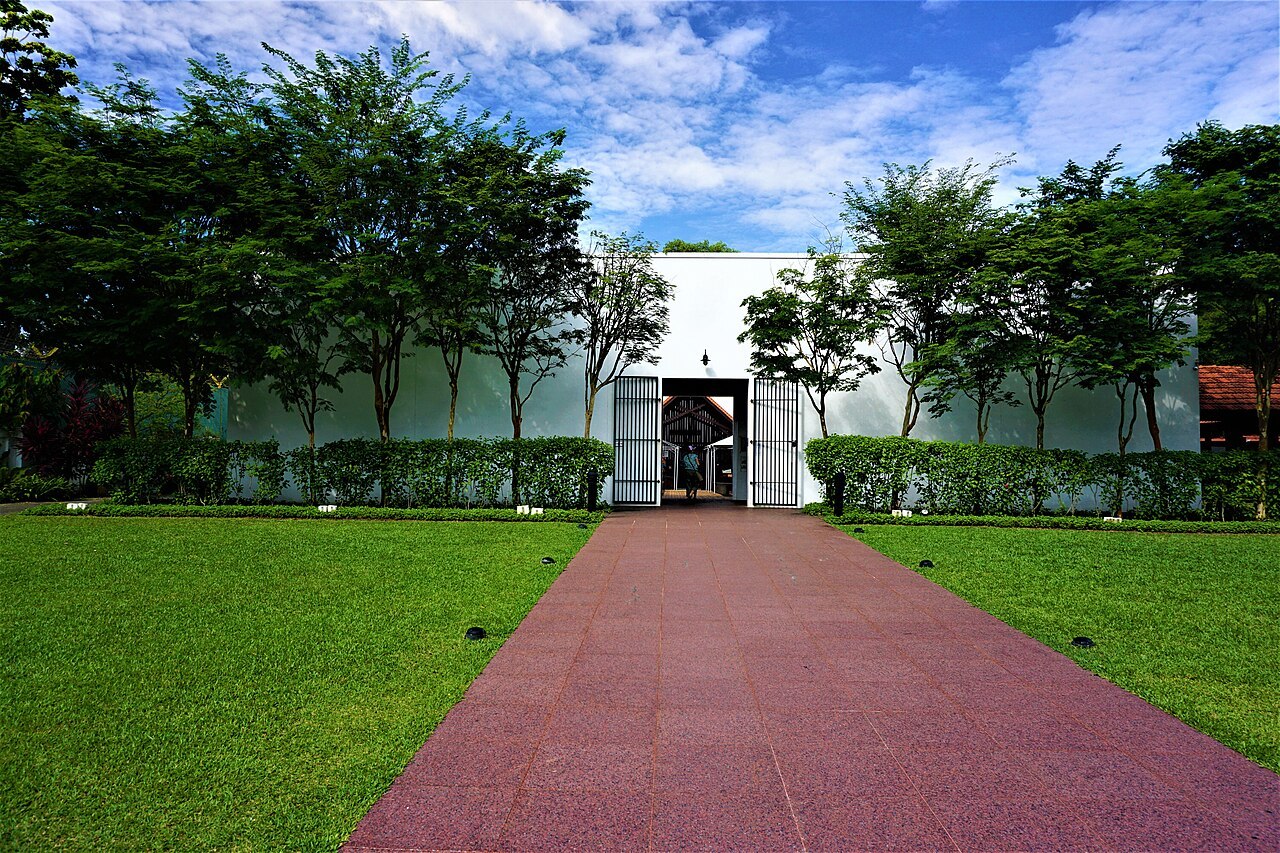
Photo: Joyofmuseums / Wikimedia Commons, CC BY-SA 4.0. Resized from the original.
Start with the people, not the battle map
The museum follows the experiences of civilians and prisoners of war interned at Changi during the Japanese Occupation. The visitor guide identifies eight gallery sections. For a shorter visit, read one internee’s story in full instead of skimming every label: the personal objects make more sense when you know who used them.
See the chapel with the right context
The present chapel takes its design from St George’s Church, one of the places of worship built by prisoners during their internment, rather than presenting itself as the original structure. The galleries also include a replica prison cell and material on day-to-day life. Some of the subject matter can be difficult for young children, so let them ask questions and take breaks.
Use the Upper Changi Road North address
Go to 1000 Upper Changi Road North. This is not the airport or the ferry terminal at Changi Point. The museum’s visitor guide gives Tuesday to Sunday, 9.30am to 5.30pm, with final admission at 5pm. Monday is normally closed except on public holidays. Check current ticket eligibility and prices before travelling.
A useful accessibility detail before leaving home
The museum guide lists the galleries and facilities as wheelchair and stroller accessible. It also says manual wheelchairs are available from visitor services and identifies multilingual large-font captions on its mobile platform. Check availability with the museum if you depend on equipment or assistance.