Read the city: a Tanjong Pagar planning and architecture walk
This walk starts with how Singapore is planned, then takes those questions outside to public art and conserved buildings. It is a useful alternative to treating Tanjong Pagar only as a restaurant district.
The indoor anchor is Singapore City Gallery at the URA Centre. After that, keep the route modest: a sculpture, a former cinema and the street pattern are enough for an afternoon that actually leaves time to look.
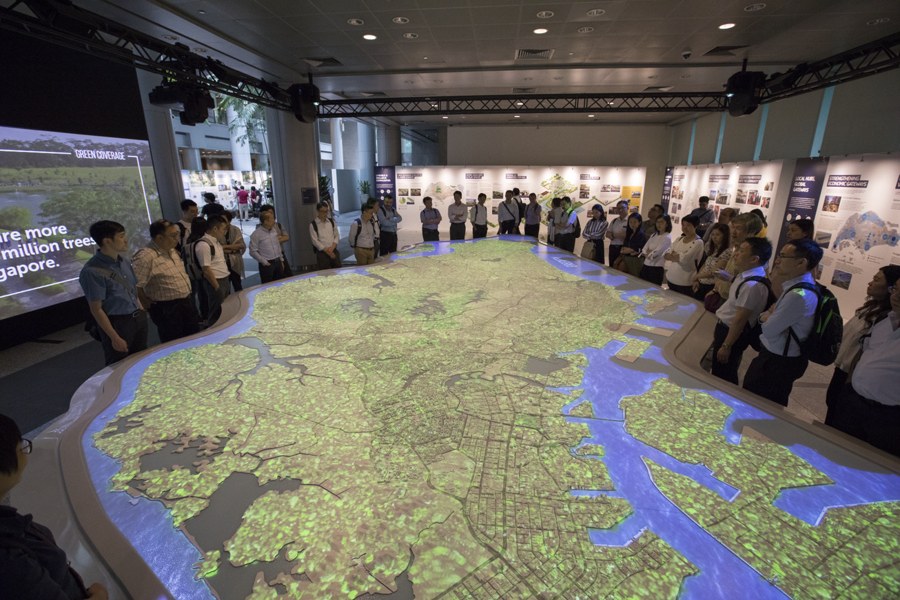
Start with the city model, not a checklist
Singapore City Gallery introduces the physical planning of the city through models and exhibits. Begin by looking for the district you are about to walk through, then ask how transport, homes, commerce and retained older buildings fit together.
The gallery is free. URA’s current visitor page lists Monday–Saturday 9am–5pm, closed on Sundays and public holidays. All gallery floors are accessible by lift and the venue is wheelchair-friendly. That does not automatically make every pavement or building on the outdoor section step-free.
Visit before the afternoon gets too late if the gallery is essential. Do not rely on a showtime copied from an old listing when it conflicts with published closing hours. Exhibits and programmes can change, so choose the model-and-planning visit rather than one unverified presentation.
Three outdoor subjects after the gallery
Use URA’s Chinatown Historic District map to orient yourself around Tanjong Pagar, Duxton and the neighbouring conserved streets. This heritage map is useful for the conserved street layout, not current tenants or transport. The suggested order is an editorial walking plan, not an official guided circuit.
Samsui Women
Outside the URA Centre
Liu Jilin’s 1999 granite sculpture depicts three women carrying loads. It connects the scale of city-building with the people whose labour made it possible. View it from the public area without climbing or leaning on the work.
Official details →Former Jing Hwa Cinema
1 Tanjong Pagar Road
URA identifies this as a 1950s Modern-style building, conserved in 2005. Compare its form with the shophouses rather than assuming the historic cinema still operates or that you can enter.
Official details →Tanjong Pagar and Duxton streets
Historic conservation area
Look at the rhythm of shophouse frontages, side streets and building edges. Keep to public pavements; cafés, offices, upper floors and courtyards have their own access rules.
Official details →Use the buildings to ask better questions
URA dates the historic Tanjong Pagar area to the late nineteenth century and records its conservation in 1989. Seen after the gallery, the streets become a practical example of what a city chooses to retain while surrounding land uses change.
Try comparing one shophouse row with the former cinema: the width of the frontage, the relationship to the pavement and the building’s overall shape are things you can observe without entering. Photograph details from a safe standing point, never from the carriageway or while blocking a doorway.
The public-art stop adds another perspective. A model explains space at city scale; a sculpture and an individual building bring the walk back to human scale. You do not need an expensive viewing deck or private rooftop to make that comparison.
The renovation changes future versions of this plan
Checked on 1 November 2026: URA announces a partial gallery closure from 1 December 2026 to 30 April 2027, followed by full closure from 1 May 2027. Reopening is planned for the fourth quarter of 2027. Recheck the official renovation notice before using this itinerary on a later date.
During full closure, treat this as an outdoor architecture walk, not a gallery visit with a guaranteed substitute exhibition. In rain, shorten the outdoor section; conserved five-foot ways and business interiors should not be assumed continuously accessible. If you need a wholly indoor afternoon, choose a museum plan instead.