Pasir Ris Park: A Mangrove and Coast Walk
Make the mangrove boardwalk the main stop at Pasir Ris Park, then add a coastal pause if everyone still wants to walk. This is a better nature outing than trying to cross the full park while fitting in every playground and activity.
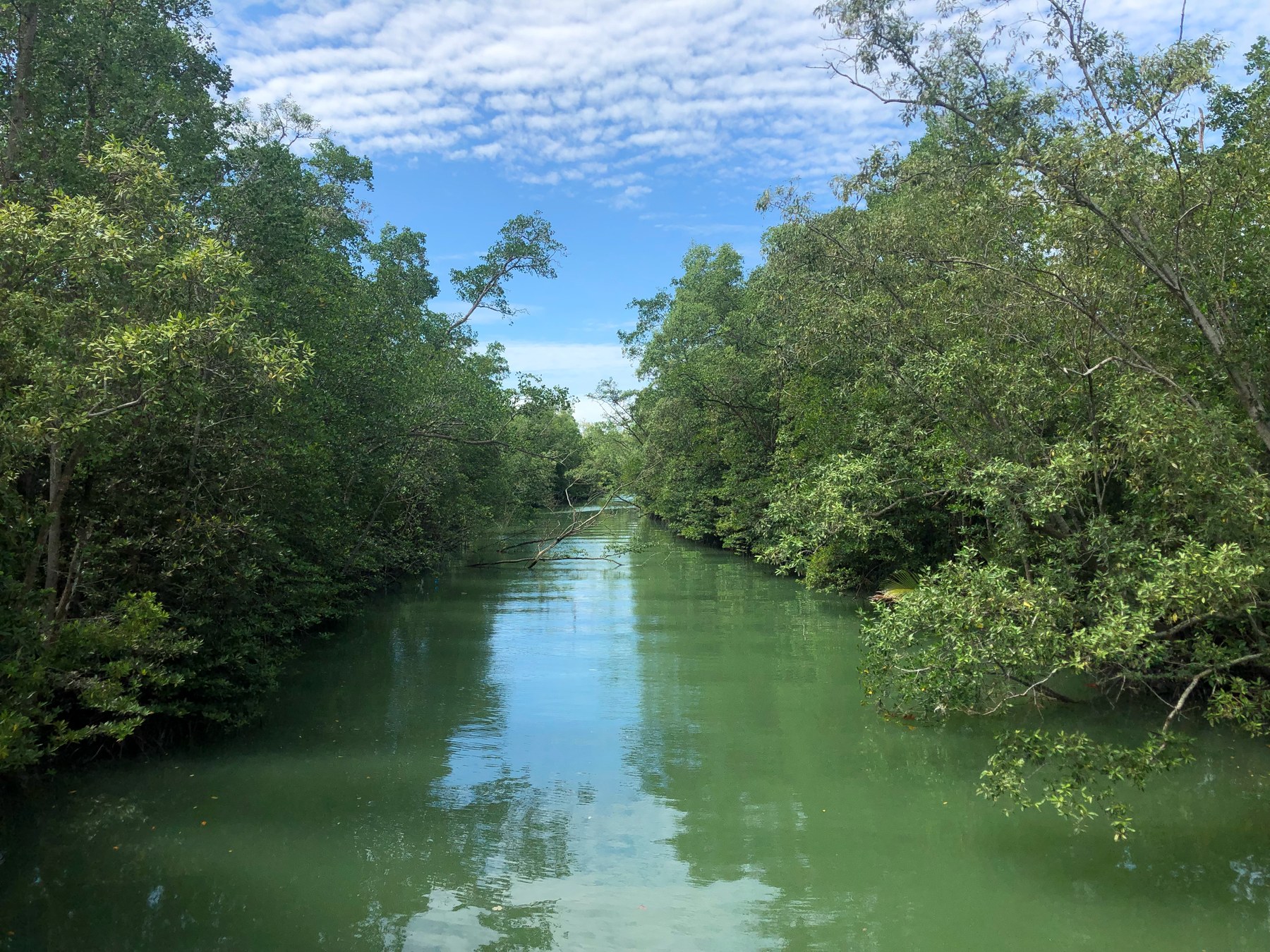
Image credit: Wzhkevin / Wikimedia Commons, CC BY-SA 4.0. Resized; responsive cards may crop. Photo adaptations retain the same licence.
Choose a park sector before meeting
For a more bird-focused wetland visit, compare our Sungei Buloh guide.
Pasir Ris Park stretches from Pasir Ris Road to Jalan Loyang Besar, with access through Elias Road and Pasir Ris Green. NParks describes a 3.2km-long park, so “meet at Pasir Ris Park” is not a usable instruction for a group.
Open the park map on the official visitor page. Choose one entrance or carpark that works for your mangrove visit and send the same pin to everyone. Drivers and train passengers do not have to arrive from the same side, but they should agree where the actual walk begins.
Give the mangroves your attention first
NParks identifies a six-hectare mangrove area with a boardwalk and birdwatching tower. Start with the boardwalk rather than making the tower a compulsory target. The interest is in slowing down to look, not reaching a height or recording a distance.
Try a simple observation task: look for movement near the mud, then compare it with activity in the branches. Do not promise children a particular animal. If the group likes the stop, spend longer there and shorten the coast walk rather than rushing to keep an arbitrary itinerary.
Build the coastal section around the return
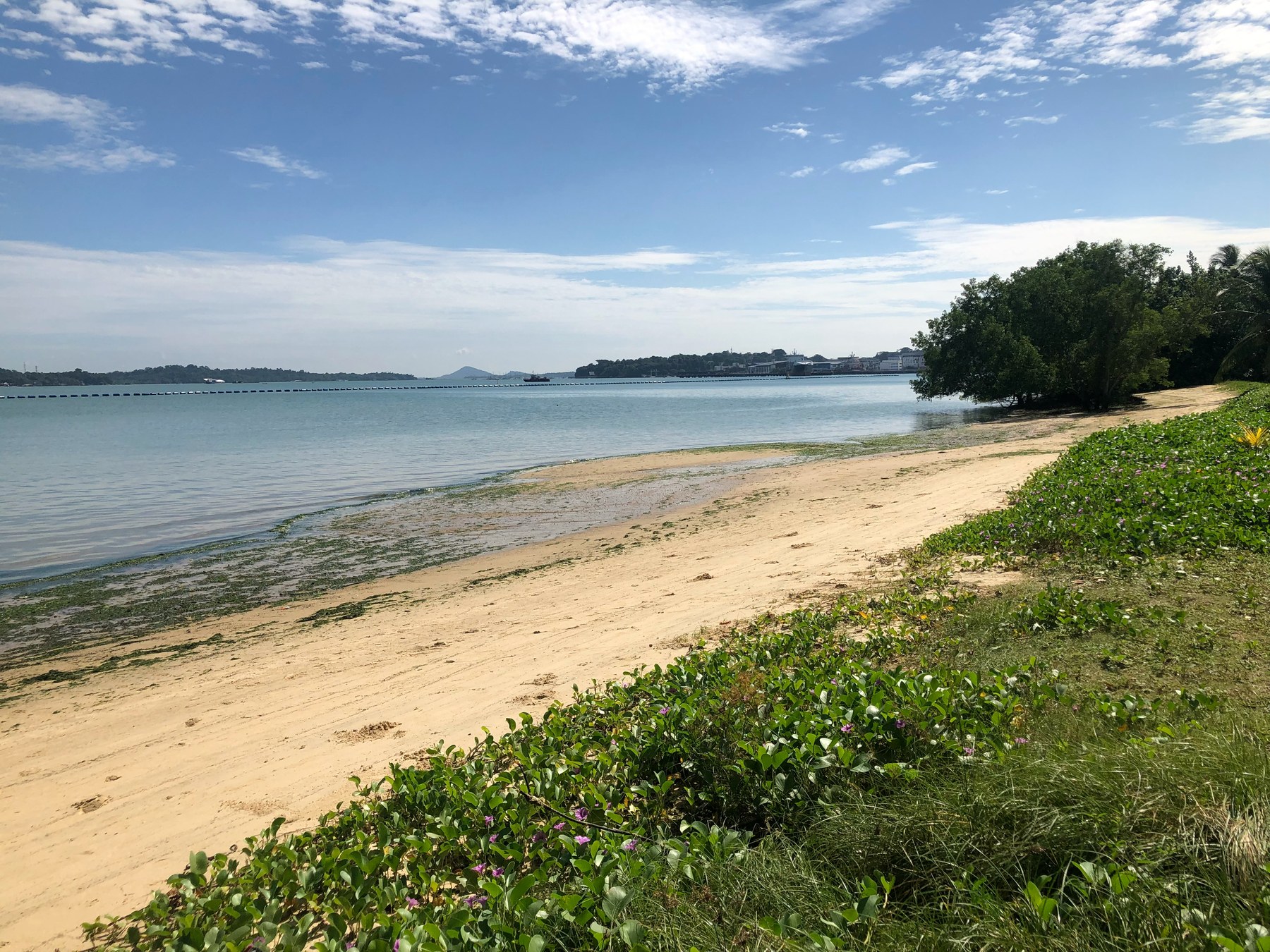
After the mangroves, choose a comfortable section of the coast and retrace your route when ready. Set a point where you will decide whether to continue. This works better than discovering that the family has used all its energy before reaching the farthest point.
A picnic can be the second half of the outing, but carry only what you want to walk with. If eating is the main event, establish the meeting and sitting area first, then let willing walkers do a smaller excursion. Avoid leaving one person carrying everyone’s bags while the others explore.
Separate the walk from paid activities
The park’s broad activity list does not mean every activity is included, operating or available without a booking. If your plans depend on a separately run attraction or water sport, verify that operator’s session, age rules and price independently.
For a self-directed walk, you need no such timetable. Keep it that simple unless the group specifically wants an activity. Do not book a tight session immediately after a nature stroll: children stopping to look at something are doing exactly what you brought them to do.
Respect the coast and know your exit
NParks’ visitor page warns that the intertidal area is fragile and provides specific advice about jellyfish and crocodiles. A picnic by the water is not a recommendation to enter it. Observe from the path, follow warning signs and keep clear of wildlife.
Although the park is listed as open 24 hours, daylight is the practical choice for a first mangrove visit. Wear walking footwear, take water and save the route back to your chosen transport. If weather deteriorates, finish early rather than moving deeper into the greenery to complete the loop.
Find more independent outing ideas in the Eventful blog.
Good to know
· Send an entrance or carpark pin, not the park name alone.
· Keep separately operated activities out of the plan until you have checked them.